
Researchers at Texas A&M University and the DEVCOM Army Research Laboratory have created a hybrid foam material that can absorb up to 10 times more energy than conventional padding. The composite, described in the journal Composite Structures, combines ordinary foam with 3D-printed plastic columns called struts using a technique called In-Foam Additive Manufacturing (IFAM).
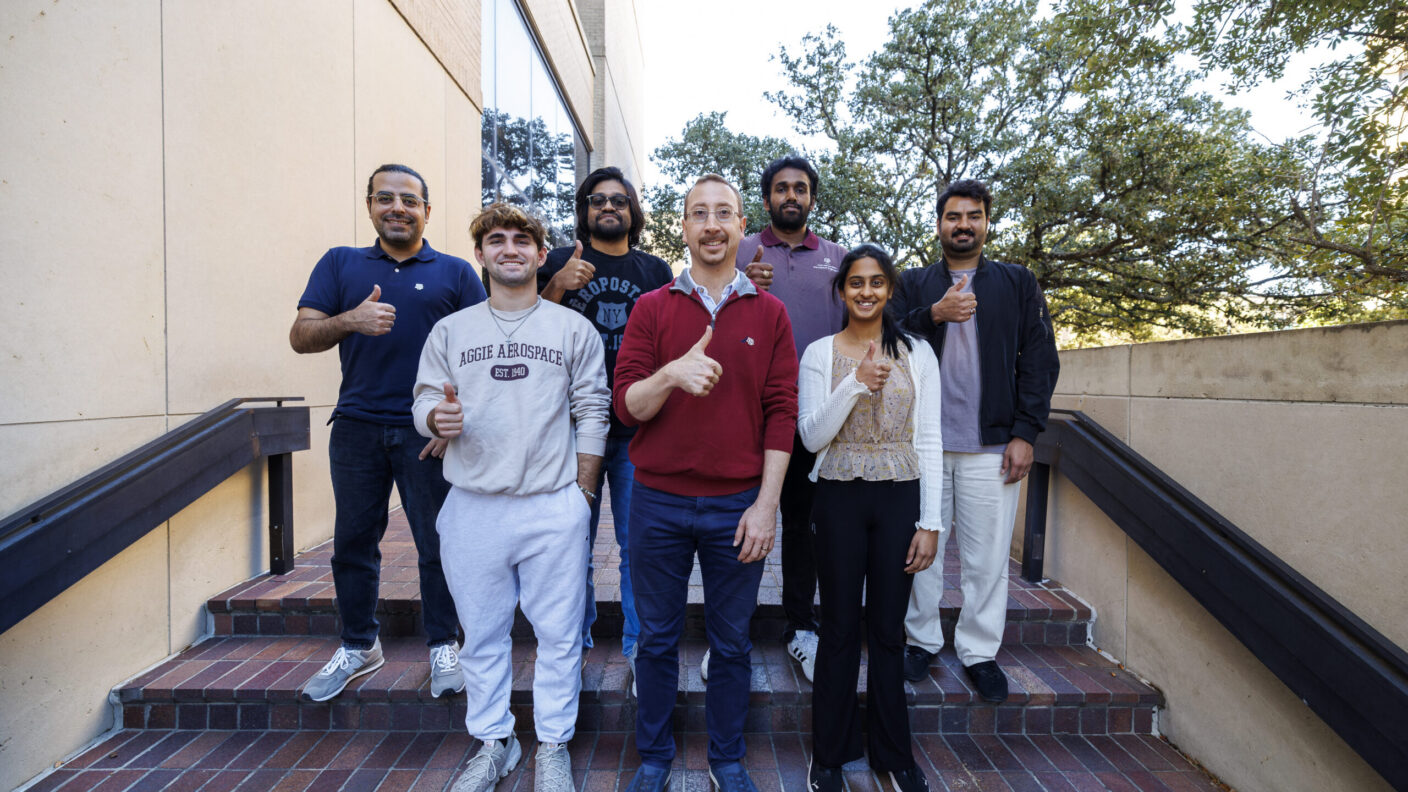
The research team, led by Dr. Mohammad Naraghi from Texas A&M and Dr. Eric Wetzel from the Army Research Laboratory, addresses a long-standing engineering challenge. Traditional foams are affordable but have random internal structures that limit energy absorption efficiency, while engineered cellular materials are more organized but expensive and difficult to scale.
The IFAM process builds a network of plastic struts directly into conventional open-cell foam. “The diameter, spacing, angle and elasticity of the elastomer can be selected to achieve a wide range of properties,” Wetzel said. During compression, the foam prevents the struts from buckling early, while the struts distribute forces into the surrounding foam.
The immediate applications focus on military uses, including ballistic helmets and blast-resistant seat cushions. “Energy-absorbing materials are critical to a wide range of Army applications,” Wetzel said. The researchers are also exploring civilian applications such as bicycle helmets, motorcycle gear, automotive safety components, and custom-tuned cushions.
Beyond impact protection, the team is investigating the material’s potential for noise control and acoustic applications. The hybrid foam could be engineered to dampen specific frequency ranges, though Naraghi noted that “the acoustic applications are still in the early research stages.” The material’s properties can be adjusted by varying the thickness and angles of the 3D-printed struts.
Source: stories.tamu.edu