

Hill Aerospace Museum has implemented 3D scanning and printing technology to manufacture hard-to-find components for its aircraft collection. The museum invested $6,000 in the technology, which has reduced project costs by 80% and eliminated months of searching for obsolete parts.
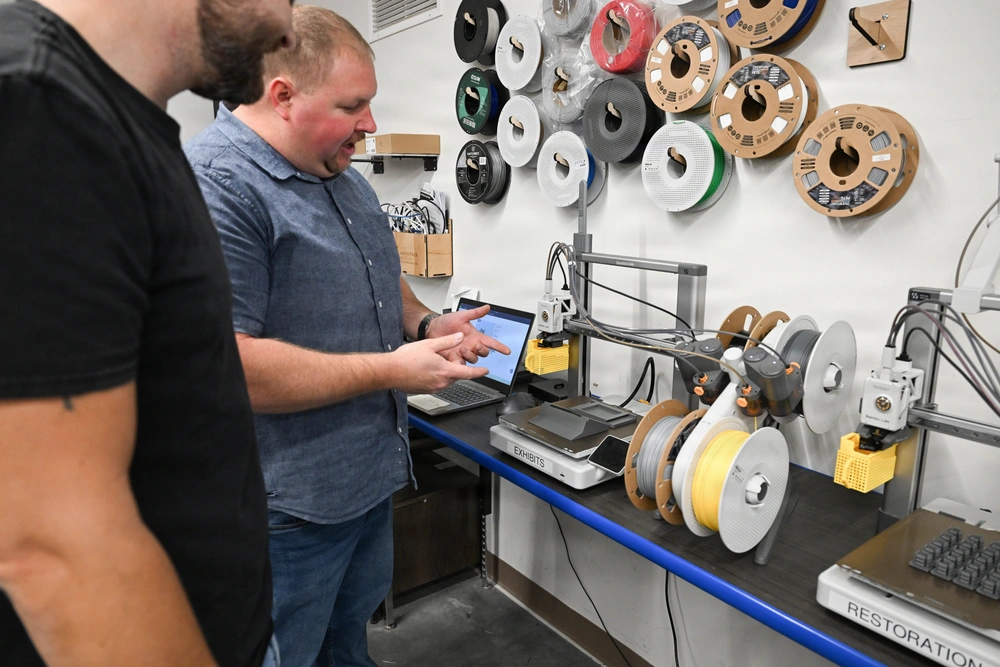
“Ensuring historical accuracy is at the forefront in restoration and exhibits,” said Brandon Hedges, museum restoration chief. “Our priority is to find the historically accurate part; if we are unable to find the correct part, that’s when we turn to modern technology to recreate our part for visual purposes.” The team first researches and attempts to locate original parts through the aviation community before creating reproductions.
Museum intern Holly Bingham explained that the scanner captures detailed measurements of existing components. “It takes careful adjustments, correct lighting, and steady movements to create the perfect model. These models can then be 3D printed to replace the fragile or missing components of a plane,” she said. The museum tracks all reproduced parts so originals can be installed if they become available later.
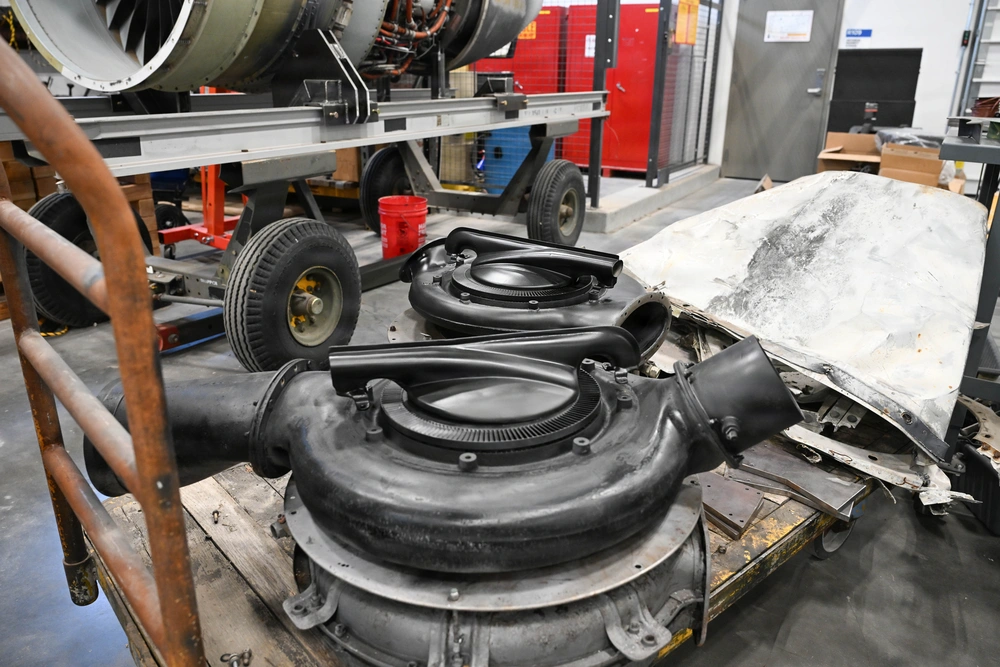
Beyond aircraft restoration, the technology serves practical museum operations. Exhibit specialist John Sluder noted that 3D printing has been used to create static sign mounts with printed feet that prevent steel base plates from sliding on concrete floors. “What excites me most is that 3D printing isn’t just helping us restore aircraft parts,” Sluder said. “It’s giving us tools to solve everyday challenges in the museum, from keeping exhibits safe to making signage more flexible.”
Source: hill.af.mil