

MIT researchers have created an AI system called MechStyle that generates personalized 3D models while maintaining their structural integrity for real-world use. The system addresses a key limitation in AI-generated 3D objects, where aesthetic modifications often compromise the mechanical properties needed for practical applications.
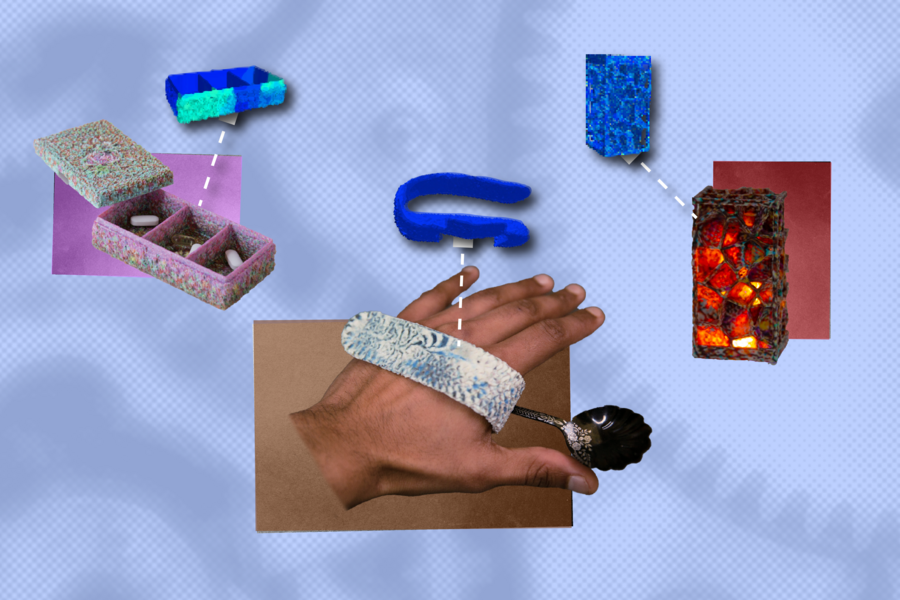
MechStyle allows users to upload 3D models or select preset designs like vases and hooks, then customize them using text or image prompts. The system combines generative AI with physics simulation to ensure that design changes don’t weaken critical structural areas. For example, users can create a “cactus-like hook” that maintains the load-bearing capacity needed to hang items while displaying the desired visual appearance.
The researchers found that only 26 percent of traditionally modified 3D models remained structurally viable after AI stylization. MechStyle improves this outcome by using finite element analysis (FEA) to simulate stress on different parts of objects during the design process. Testing on 30 different 3D models showed the system could achieve up to 100 percent structural viability.
“We want to use AI to create models that you can actually fabricate and use in the real world,” says MIT PhD student Faraz Faruqi, the lead author. “So MechStyle actually simulates how GenAI-based changes will impact a structure. Our system allows you to personalize the tactile experience for your item, incorporating your personal style into it while ensuring the object can sustain everyday use.”
The system offers two modes: a freestyle feature for quick visualization and a MechStyle mode that analyzes structural impacts. The research team, which includes collaborators from Google, Stability AI, and Northeastern University, presented their work at the Association for Computing Machinery’s Symposium on Computational Fabrication in November.
Future development plans include improving structurally flawed models and generating complete 3D designs from scratch rather than modifying existing ones. The researchers suggest the technology could benefit both expert and novice designers in creating prototypes for consumer products, assistive devices, and personalized items.
Source: news.mit.edu