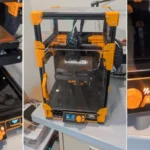
La Candelaria University Hospital in Tenerife is producing custom hand rehabilitation tools for €56 per batch using a 3D printer, down from €2,316 when ordering the same parts through traditional suppliers. That’s a saving of 97.6% per item, and the hospital has already manufactured around 12 models and nearly 30 individual pieces since launching the program.
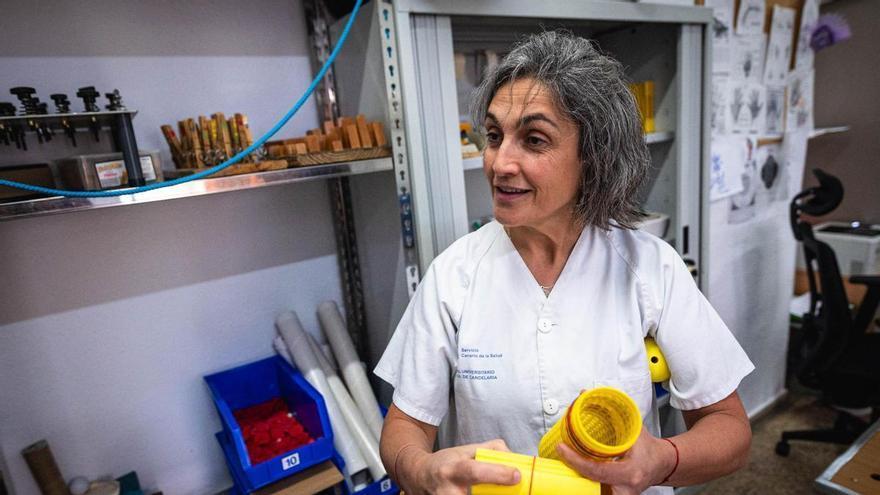
The Occupational Therapy area within the hospital’s Rehabilitation service uses the printer to make mechanotherapy tools for patients recovering from tendon ruptures, metacarpal fractures, and limited mobility conditions. Occupational therapist Teresa Fernández says the technology lets her team do something off-the-shelf equipment can’t: tailor each piece to the individual patient. “With the 3D printer, we have the opportunity to adjust each piece to the patient’s specific requirements and improve upon the original moulds,” she said.
One example is the Canadian board, a perforated board with interchangeable rods used to treat hand, wrist, forearm, and elbow injuries. The standard version is patented, so the hospital can’t reproduce it directly. Instead, Fernández’s team designs its own versions. “The original board is quite large, and some patients only need to work on a specific part of the hand, such as a finger. Therefore, a smaller, more manageable replica is more convenient,” she said.
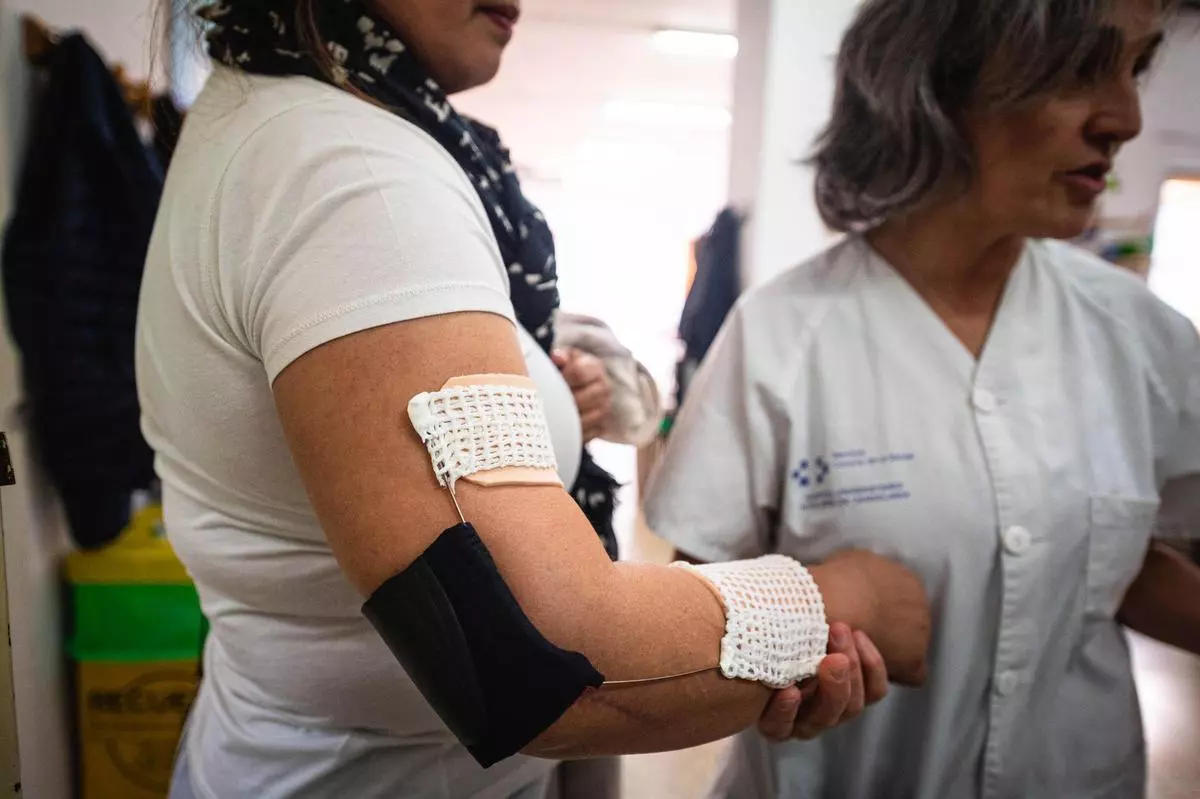
The capacity gains have been just as striking as the cost savings. Fernández previously saw seven to nine patients a day, with one patient every 30 minutes. “I had one patient every half hour, but now I can attend to up to three and see about 12 to 15 people each day,” she said. La Candelaria is reportedly the only facility in the Canary Islands producing custom therapy equipment this way.
The process runs through the hospital’s IT department. Technical engineer Carlos Yanes and his colleagues receive a work request, visit the Occupational Therapy area to understand what’s needed, design a prototype, and print it. Production times vary: a therapy board can take 18 hours to print, while smaller cylinders take around five hours.
The program has expanded beyond therapy tools. Technicians are also printing maintenance components for aging hospital equipment, provided those parts don’t come into direct contact with patients and aren’t safety-critical. Discontinued 40mm valves for hospital shower trays are one example. “We manufacture them, which not only saves money regarding the part’s cost but also helps avoid extensive renovation works with a simple solution,” Fernández said. Old hospital beds have also been kept in service through 3D-printed replacement parts.
Section head Alejandro Estévez said the team plans to build a national database of the prototypes it has manufactured, which any hospital in Spain could use as a reference. The hospital recently acquired a second 3D printer, and staff haven’t ruled out extending the program to other departments with similar needs.
Source: tenerifeweekly.com