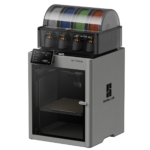
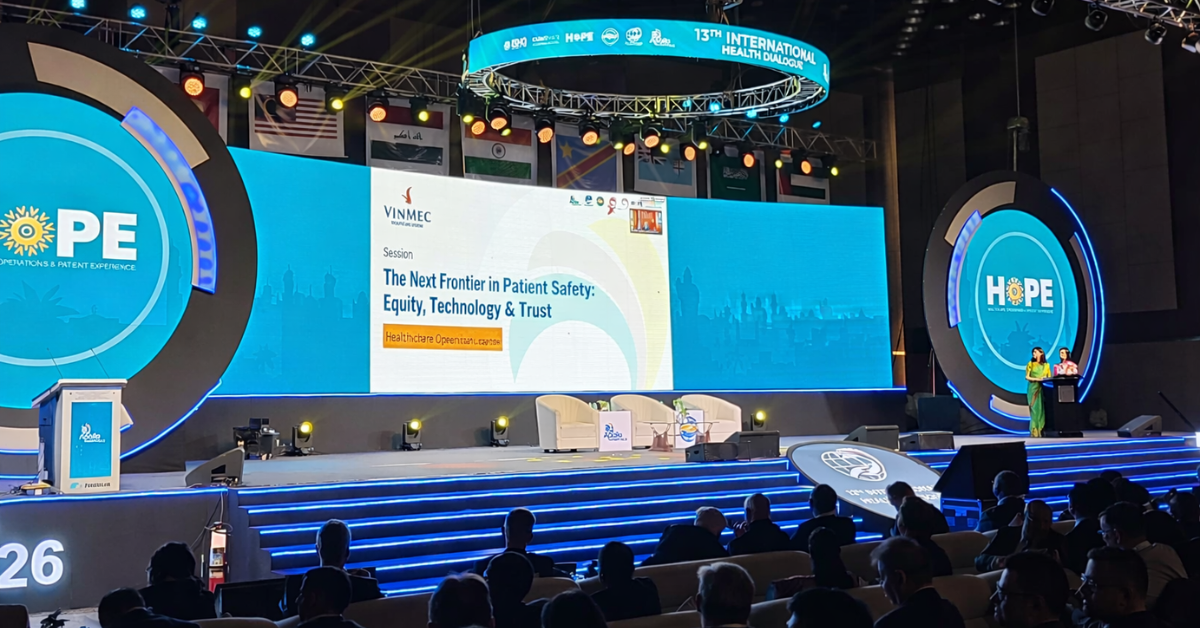
As India’s medical tourism market grows at roughly 12% annually, the International Dialogue on Healthcare (IDH) 2026 drew attention to precision planning and advanced manufacturing in complex surgery. Vinmec used the summit to detail its in-hospital 3D printing lab in, highlighting an integrated biomedical engineering team and surgical simulation workflow where surgeons and engineers work together on patient-specific reconstruction cases.
The setup integrates AI-assisted imaging analysis, surgical simulation, and real-time feedback into the design process. According to Vinmec, this model reduces operative risk and accelerates turnaround time for highly complex procedures where standard approaches fall short.
From Simulation to Surgery
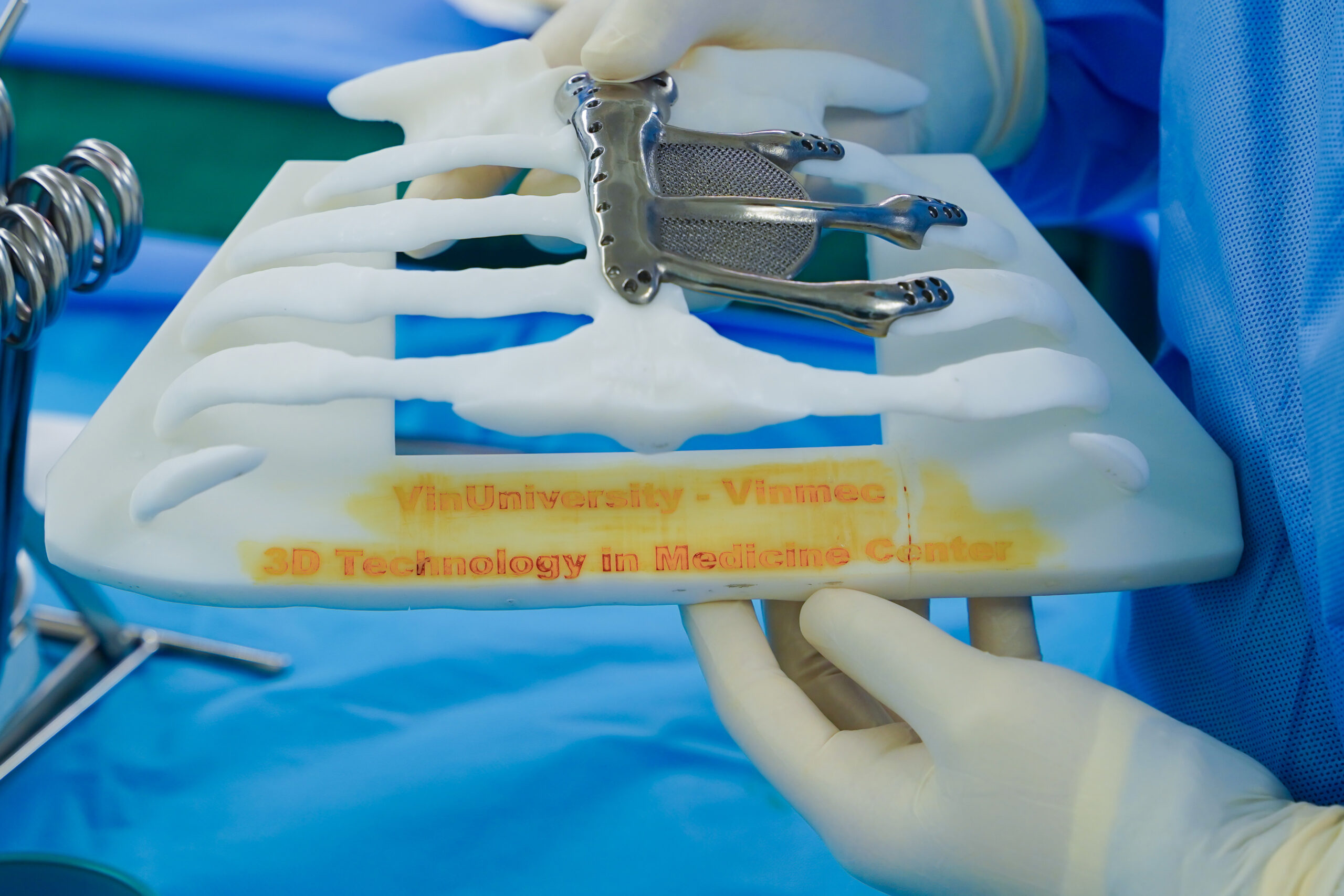
Vinmec highlighted two recent cases that illustrate the workflow. In January 2026, the team treated a patient who had lived with severe elbow deformity for 27 years. Using in-house CT-based 3D modeling, surgeons reconstructed his anatomy virtually, allowing precise simulation before producing a custom prosthesis tailored to a 6-centimeter bone defect.
A year earlier, the hospital performed a personalized 3D-printed total femoral replacement for a child with bone cancer. The procedure preserved limb function in a situation where options were limited and amputation had been the expected path.
Both cases relied on the same integrated team structure: imaging specialists, biomedical engineers, and surgeons collaborating from initial scan to post-operative follow-up.
Engineering Safety Into Innovation
Beyond the technology itself, Vinmec’s presentation positioned patient safety as a central design constraint. Prof. Tran Trung Dung outlined the hospital’s approach through three pillars: equity (predictable safety standards for all patients), technology (using AI and data analytics to shift from incident reporting to risk prediction), and trust (building a culture where teams report near-misses and learn from errors).
The hospital describes this framework as “engineering safe innovation.” Dr. Phung Nam Lam, Deputy CEO for Clinical Excellence and Training, explained how their model embeds safety into every layer, from technology adoption and clinical training to governance structures. The goal is ensuring that advanced tools like 3D printing enhance precision without introducing new variability or unexpected failure modes.
Coordinated Care as Infrastructure
Patient experience rounds out Vinmec’s model. According to Nguyen Huy Ngoc, Deputy CEO for Operations, seamless coordination across specialties, diagnostics, and post-operative care reduces uncertainty, particularly critical in complex reconstructive cases where families are navigating unfamiliar procedures.
The messaging at IDH 2026 positioned Vinmec’s 3D printing capability not as standalone technology, but as one element in a broader system designed to manage risk, standardize processes, and sustain patient confidence across borders.
Whether this model can extend beyond individual landmark cases will depend on sustained investment, the availability of long-term outcome data, and the hospital’s ability to maintain seamless integration across teams and technologies as caseloads increase. Its broader viability will ultimately be measured not only by isolated successes, but by consistent performance, scalability, and demonstrable patient outcomes over time.