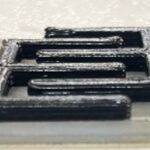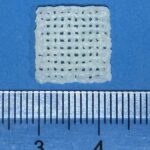

Scientists at Oak Ridge National Laboratory have found a way to use 3D printing to build the canisters needed for powder metallurgical hot isostatic pressing, a process that compresses metal powder into dense structural components used in nuclear reactors, hydropower systems, and aerospace applications. The approach eliminates the multiple forming, machining, and welding steps traditionally required to make those canisters, cutting both costs and production time.
PM-HIP works by filling a sealed container with metal powder, then applying high heat and pressure to compress the material into a fully dense part. The problem has always been the canisters themselves. Fabricating them through conventional methods introduced defects and limited how complex the final part could be. The ORNL team’s use of additive manufacturing to print those canisters directly hasn’t been explored before, according to the lab.
“This work lays the foundation for a transformative shift in the PM-HIP landscape for large-scale components,” said ORNL researcher Pavan Ajjarapu. “By harnessing the strengths of both additive manufacturing and hot isostatic pressing, we are paving the way for greater design freedom and expanded applications in hydropower and next-generation nuclear reactors.”
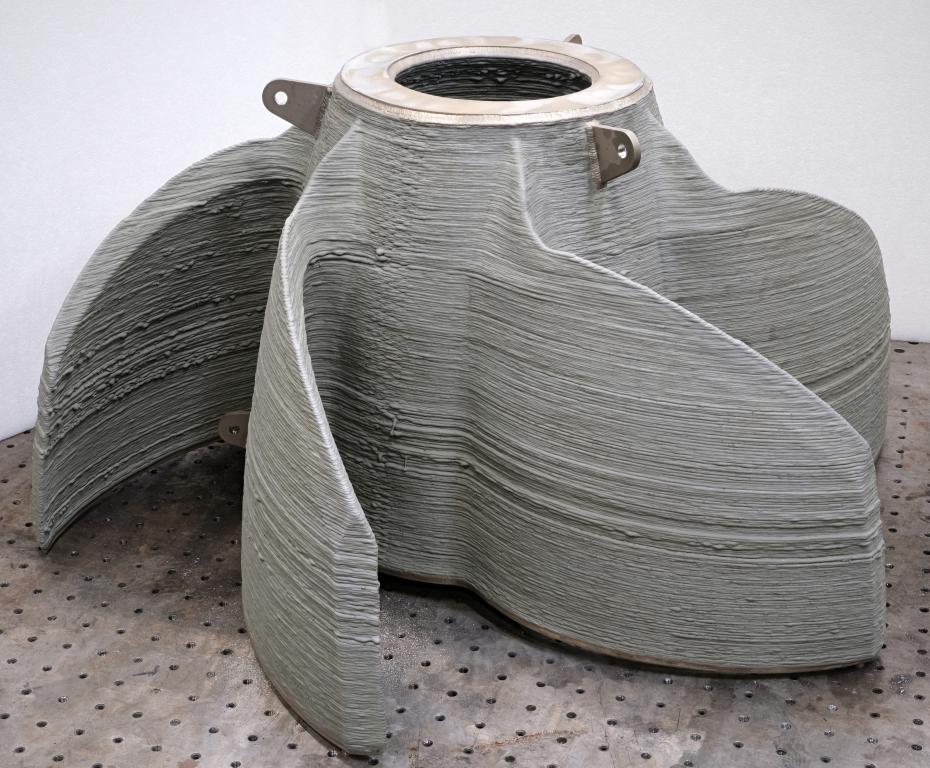
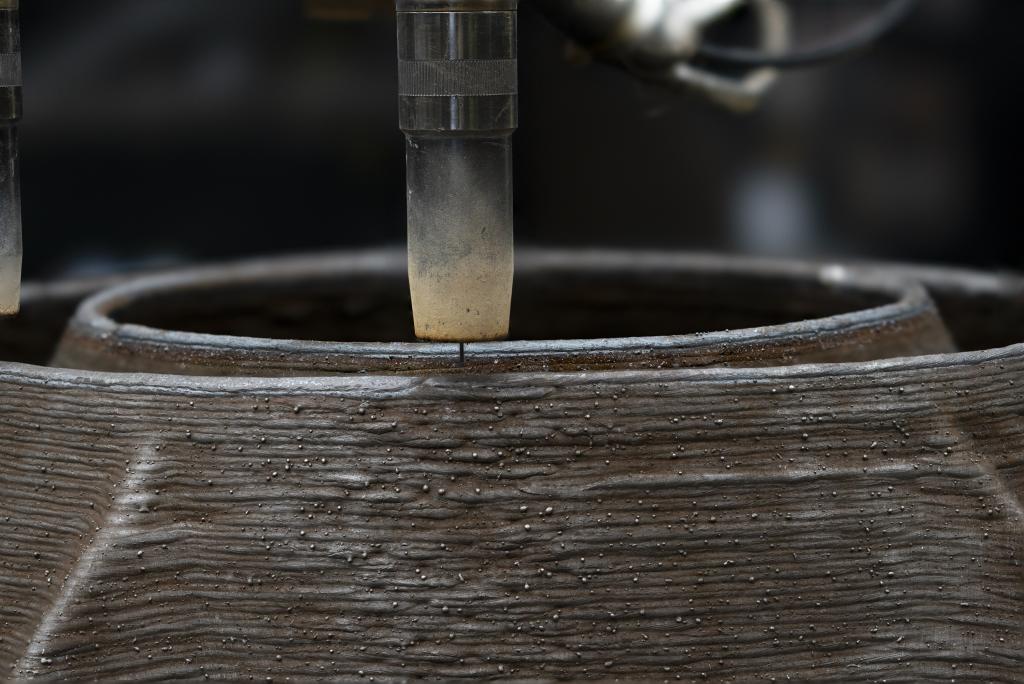
The team printed canisters using several methods, including laser- and wire-based 3D printing, working with materials like 410NiMo, a stainless-steel alloy. In a 2024 demonstration, researchers printed a 2,000-pound hydropower impeller canister prototype from initial design to finished part in just two days. The resulting components can be engineered with enhanced corrosion resistance and radiation stability, properties that are critical for nuclear applications.
Supply chain resilience is another driver. “This approach offers an alternative to casting and forging,” said ORNL’s Soumya Nag. “It could also help strengthen U.S. manufacturing and national security by easing supply chain shortages.”
One persistent challenge with PM-HIP is predicting how large parts will shrink or distort under heat and pressure. ORNL researcher Subrato Sarkar is developing custom models to simulate those effects. “A deeper understanding of how the PM-HIP process works can help eliminate uncertainties related to these predictions,” Sarkar said. Colleague Jason Mayeur added a mechanics-based computational model to the effort: “We further enhanced the effectiveness of PM-HIP technology by using a mechanics-based computational model to reduce developmental costs and lead times by eliminating trial-and-error approaches.”
The project is funded by DOE’s Office of Nuclear Energy, Advanced Materials and Manufacturing Technologies program. Last year, ORNL convened 200 stakeholders at its Manufacturing Demonstration Facility to identify gaps and opportunities for scaling the technology to large, complex metal components.
Source: ornl.gov