
Researchers at the Fraunhofer Institute for Applied Polymer Research IAP and the NMI Natural and Medical Sciences Institute have developed a 3D-printed tissue substitute that mimics the mechanical behavior of natural tissue, with both institutions jointly filing a patent for the material. The development, completed under the German federal government’s PolyKARD project, is now ready for medical technology applications.
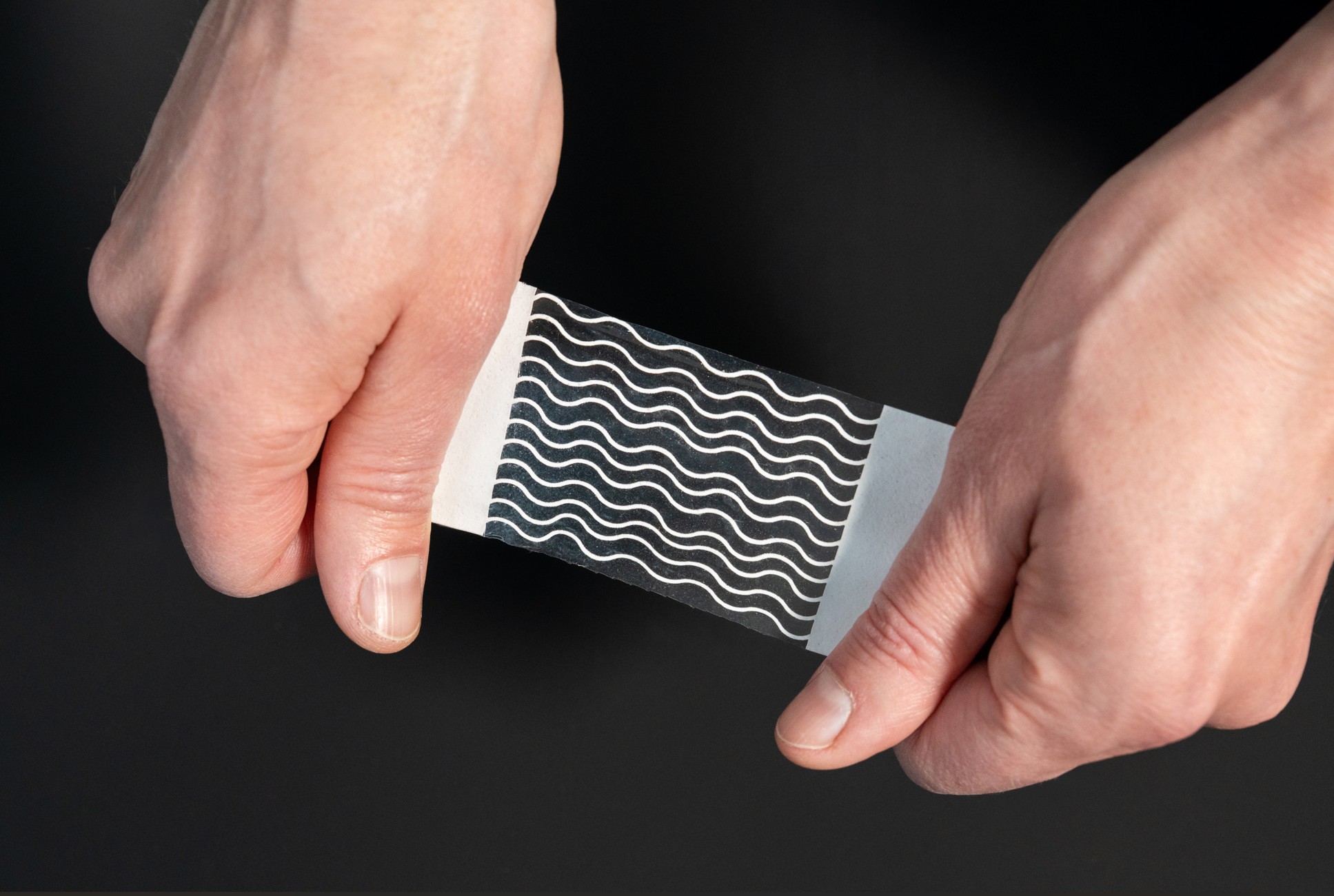
The material’s three-layer structure is what sets it apart. A dense polymer film made of polyurethane acrylate forms the base. On top of that, a wavy metastructure is applied via 3D printing, which controls the mechanical behavior. Electrospun collagen, produced using a process developed at the NMI, is then added to support biological function. The quality of the collagen fibers is verified through enzymatic and non-invasive spectroscopic analysis.
That wavy geometry is key to replicating what’s called nonlinear stress-strain behavior, a property natural tissues like the pericardium exhibit but conventional polymers struggle to reproduce. “Our tensile tests show very similar strain and strength behavior to natural pericardial tissue. When stretched, the waves elongate, allowing the material to remain flexible. Only at higher strain does stiffness increase abruptly,” said Dr. Hadi Bakhshi of Fraunhofer IAP, who developed the material and printing technology alongside Dr. Wolfdietrich Meyer.
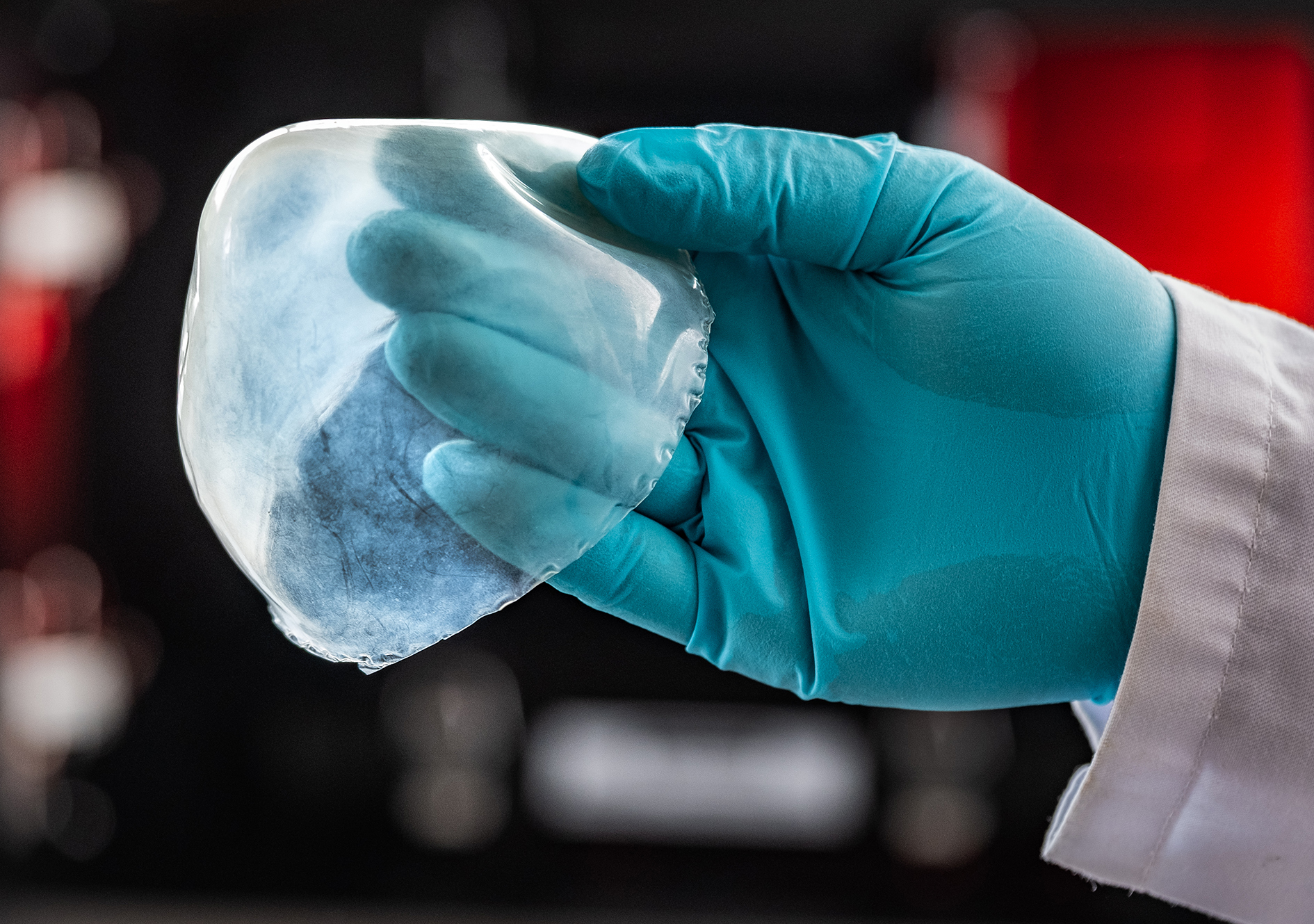
Meyer put the broader approach plainly: “By deliberately combining structural design and biomaterials, we can achieve mechanical properties that closely resemble those of natural tissues.”
Cell-material interaction studies conducted at the NMI confirmed the material’s biocompatibility. Cytotoxicity tests showed no adverse effects on cells, and studies with human skin fibroblasts and epithelial cells indicated the three-dimensional fiber network supports cell adhesion and growth. “The results show that technical materials and biological functionality can be specifically engineered and combined into biomimetic materials,” said Dr. Hanna Hartmann from the NMI. “This opens up new possibilities for the development of biohybrid implants. That is why we have now jointly filed a patent for this tissue substitute.”
The researchers say the material concept isn’t limited to pericardial tissue. They see potential applications in artificial blood vessels, stent grafts, dura mater substitutes, and artificial skin. “Our development has reached a stage where it can be translated into concrete applications,” Meyer said. “The next step is to collaborate with industrial partners to realize specific products and bring them to market-ready applications.”
Fraunhofer IAP is presenting the tissue substitute at Hannover Messe from April 20 to 24, 2026, at the Fraunhofer joint booth in Hall 11, Stand D33.
Source: iap.fraunhofer.de