
Plane Support has approval from Australia’s Civil Aviation Safety Authority to 3D-print the air-conditioning ducts that run through the cabin of the Bell 214B, the heavy-lift helicopter McDermott Aviation flies on bushfires. The originals are hard to buy, and a missing duct keeps the helicopter on the ground.
McDermott holds the type certificate for the 214B, so keeping the aircraft supported sits with the operator. Over almost two years, Plane Support scanned the ducts on the aircraft, reshaped them so a printer could make them, and showed the regulator that the printed parts fit and behave like the originals. The approval adds these ducts to aircraft parts the company was already allowed to print.
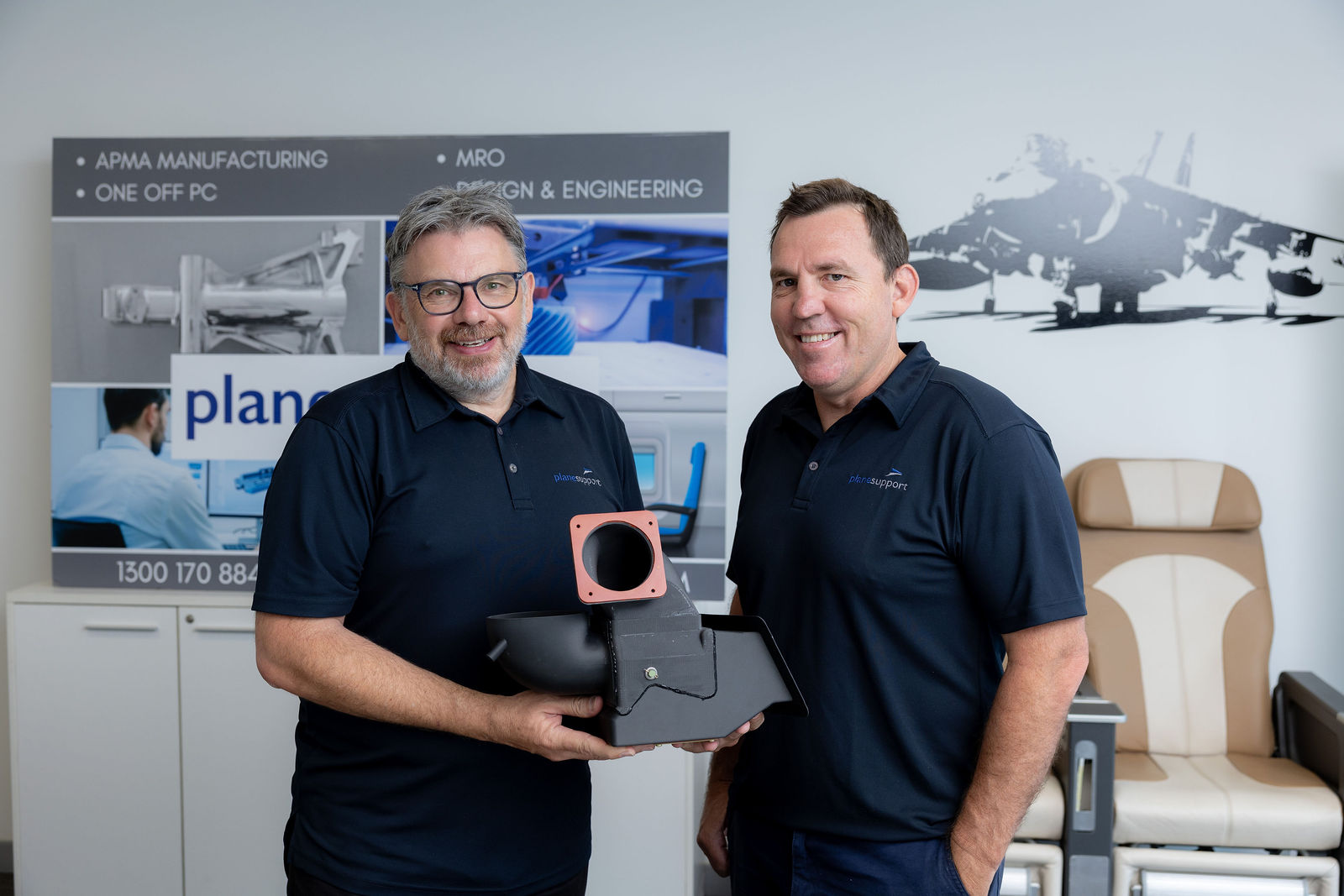
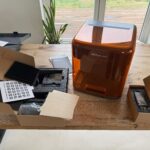
Plane Support set up a lab around a Markforged FX10 for the project. There was no accepted process to copy, so the engineers wrote the procedures, the quality system, and the inspection methods, and took them through CASA.
“Ducting sounds simple until you try to reproduce it,” Jason Hazell, Plane Support’s director of engineering, said. “These are complex shapes that have to fit exactly and perform in the aircraft just as the originals do, and we had to prove every step of that to CASA.”
Hazell said the same route can now be used for other components and other aircraft.
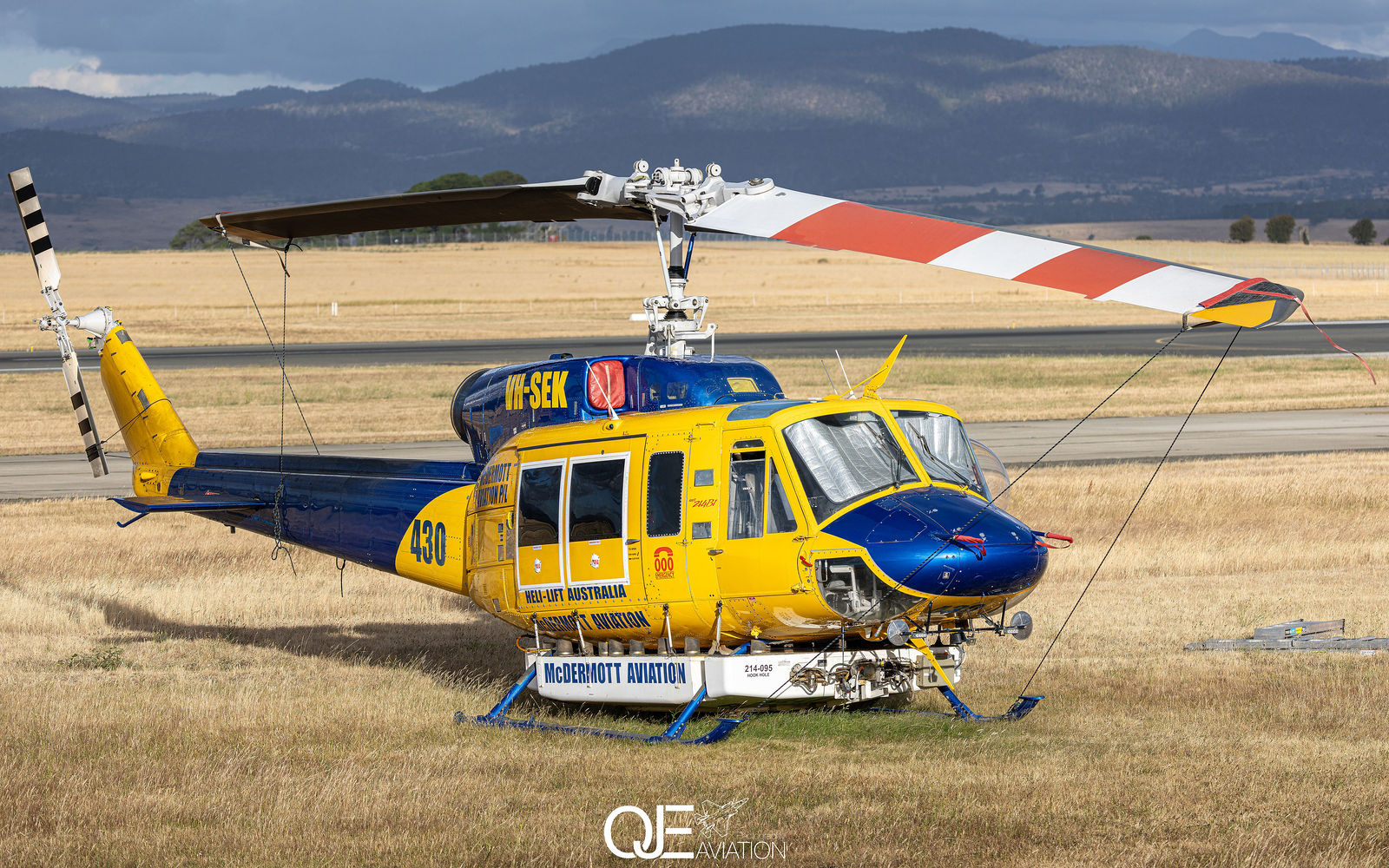
“An aircraft waiting on a component you can’t easily get hold of is an aircraft that isn’t working,” John McDermott, founder and president of McDermott Aviation, said. Making the approved parts in Queensland, he said, gives the operator control of that supply. The company operates the world’s largest fleet of the type.
Source: The Comms. People