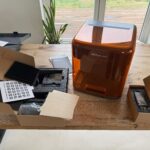

Daniel Nilsson at Umeå University has shown that a standard desktop 3D printer can build custom scientific instruments inside the laboratory, so researchers do not have to wait on an expensive specialist supplier.
Studying microorganisms takes tools made to very tight tolerances. Those instruments cost a lot, take a long time to manufacture, and leave the biologists who use them with little say in how they are designed. Nilsson, a doctoral student in the Department of Physics, printed a set that people in the lab can make, change, and extend themselves.
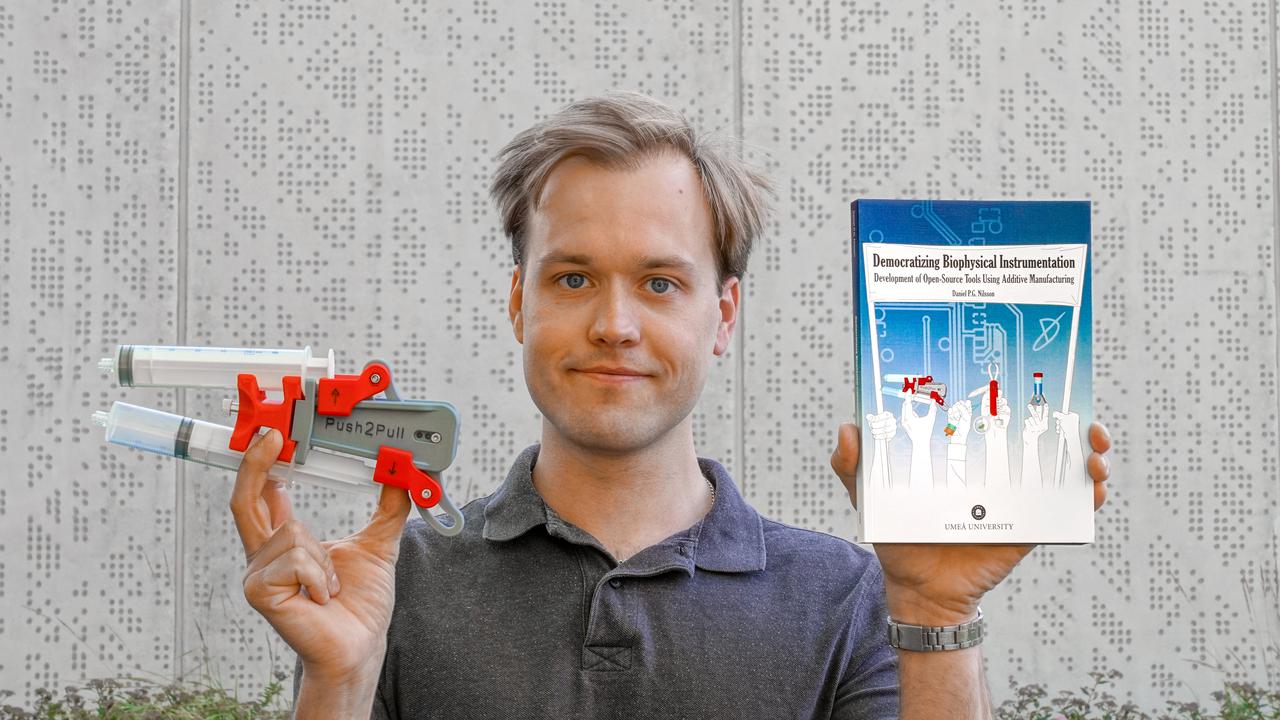
“We have developed a set of instruments that can be manufactured directly in the laboratory by anyone,” he said. “We hope this will make biological research less expensive and more accessible to a larger number of researchers.”
The tools include instruments that detect and manipulate harmful bacteria with laser light, and equipment for growing biofilms and measuring their properties. Biofilms are the slimy layers bacteria form on surfaces. They cause problems in food production and in healthcare.
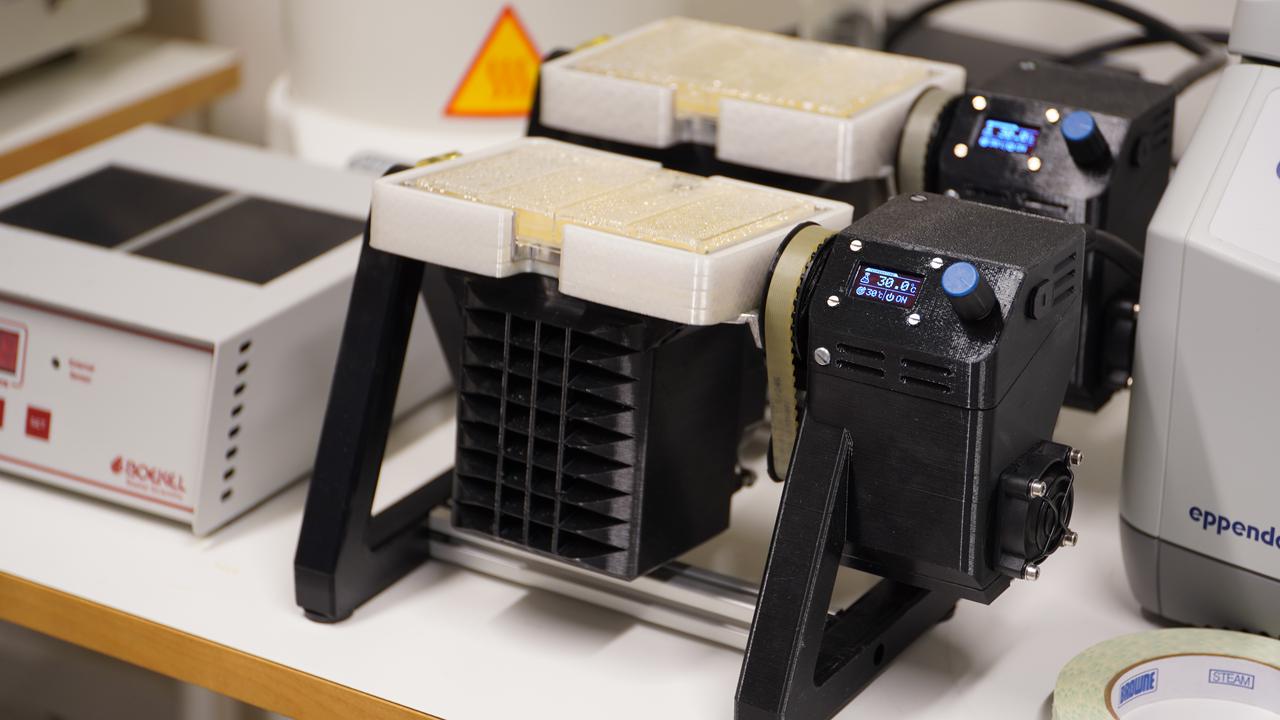
The point is that a lab can build what it needs and then revise it, rather than buying a fixed commercial system. “These methods enable a more collaborative and needs-driven approach to development within the research community,” Nilsson said.
His thesis also includes a practical guide to designing 3D-printed tools and pairing them with open-source electronics. He said the same methods apply to advanced research instruments and to ordinary lab hardware.
Nilsson will defend the thesis, Democratisation of Biophysical Instrumentation through Open-Source Design and Additive Manufacturing, on 9 October at 09:00 in Aula Anatomica at Umeå University. Christine Selhuber-Unkel of Heidelberg University is the faculty opponent.
Source: umu.se