
Large format stopped being exotic. A 256 mm cube is the consumer standard now, and the interesting machines start where it ends: 330, 350, 420, even 600 mm envelopes at prices that were mid-range money three years ago. Helmets print in one piece, cosplay armor stops being a jigsaw of glued segments, and batch production fits on one plate. The catch is that big printing punishes weak reliability, multiplies material costs, and splits into camps that suit very different buyers.
This guide ranks the best large format 3D printers of 2026, from a $569 entry to the tall-format and toolchanger options, with the trade-offs stated plainly. It covers desktop and workshop machines; for meter-scale and industrial printing, including one-piece furniture, see our large scale 3D printing guide. And for the whole market in one place, start with the flagship best 3D printers guide.
Jump to menu
Our top large format printer picks at a glance
What counts as large, and where the real jumps are
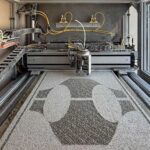
Everything measures against the 256 mm cube that machines like the P2S standardised. The first meaningful jump is the 300 to 360 mm class, where helmets, full-size props and big functional parts print in one piece; most machines on this page live here. The second is the 400 to 500 mm class, where whole armor pieces and plate-filling batch runs become possible and print times stretch into days; the extreme of this class is Sovol's SV08 Max, a 500 mm open-frame cube in the Voron mold, capable but firmly tinkerer territory. Past 600 mm sits true large-scale printing: gantry and pellet machines from Modix, BigRep and their peers, which our large scale 3D printing guide covers separately, including when commissioning a part beats buying a machine.
Two specs matter more at scale than they do on small machines. Build volume claims deserve scrutiny, since some machines lose usable space to purge or toolhead clearance. And reliability features stop being luxuries: on a 60-hour print, AI failure detection, power-loss recovery and runout sensors are the difference between a hiccup and a bin full of wasted filament.
The best large format 3D printers compared
Prices are approximate and shift with bundles, sale periods and region, so click through for current pricing. Some product links open a brand's US store; every brand here also runs regional stores, so if the landing page does not match your region, use the store's own region or country switcher.
The picks
Seven machines cover the field, from the budget entry to the tallest consumer-priced envelope on the market.
Anycubic Kobra 3 Max Combo
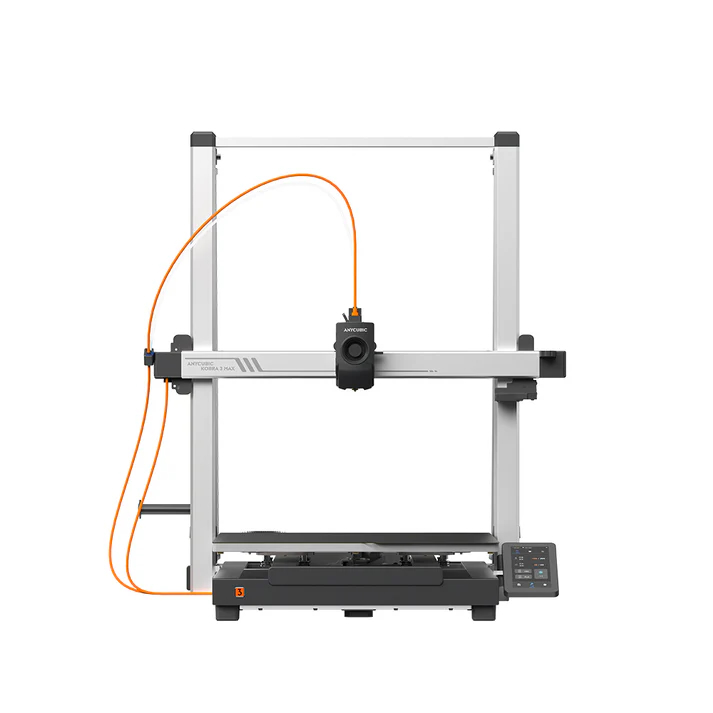
Best for: the most build volume per dollar in 2026. A 420 x 420 x 500 mm envelope, 600 mm/s peak speed, and the ACE Pro color system in one bundle that regularly sells around $650 to $800; nothing else on this page comes close on size for the money. The honest caveats: it is an open-frame bedslinger, so engineering materials are out, and reviewers note Z-banding can appear on very tall prints, so faces you care about are best kept off the vertical extremes.
Price: ~$700 combo (approximate; varies by bundle, sale period and region, click through for current pricing)
- 420 x 420 x 500 mm for well under $1,000, with 4-color printing included
- 600 mm/s peak speed keeps multi-day prints merely long instead of endless
- Open frame; reviewers report Z-banding on very tall prints
Creality K2 Plus Combo
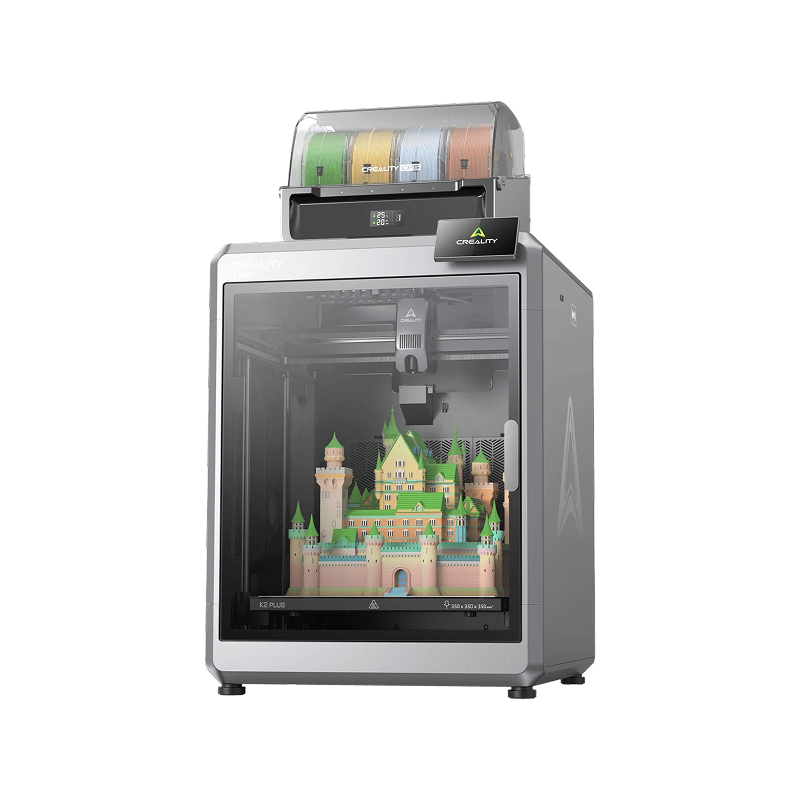
Best for: big printing without giving up materials or color. The 350 mm cube sits in an actively heated enclosure, so ABS, ASA and nylon print at prop scale, and the CFS system adds up to 16-color capability. It is the balanced pick of this page: large enough for cosplay armor and signage, enclosed enough for engineering work, and fast enough that neither feels like a compromise. If a 300 mm cube covers your needs, Creality's older K1 Max delivers the enclosed basics for roughly half the price.
Price: ~$1,199 combo (approximate; varies by bundle, sale period and region, click through for current pricing)
- 350 mm cube, enclosed and heated: engineering materials at scale
- CFS multicolor built into the combo
- Purge waste on color-heavy prints, like every swapper system
Bambu Lab A2L Combo
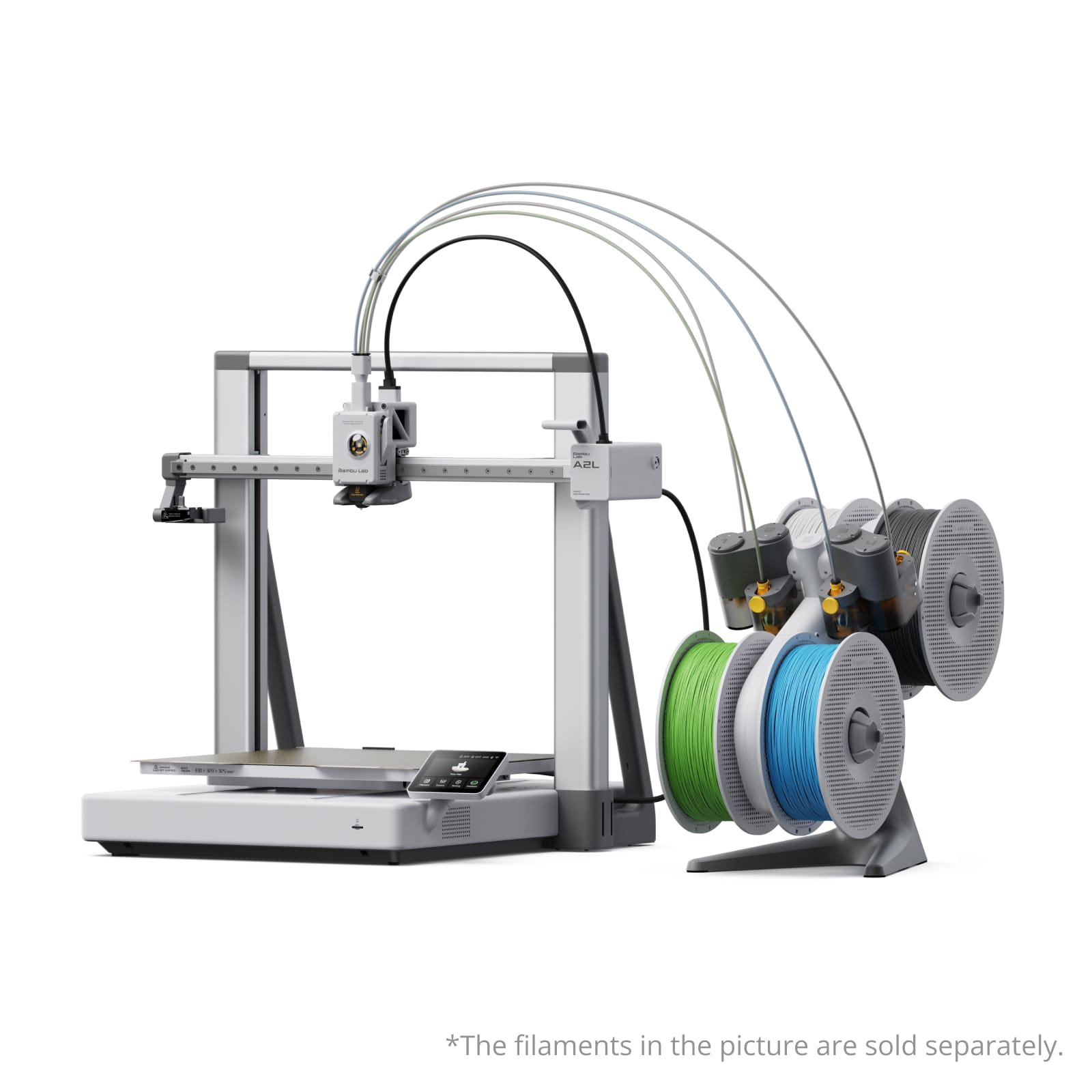
Best for: the cheapest respectable entry into large-format printing. For $569 the A2L Combo delivers a 330 x 320 x 325 mm bed, Bambu's sensor suite and servo-monitored extrusion for unattended reliability, and an AMS Lite for color out of the box. It is open frame, so PLA, PETG and TPU only. If even that stretches the budget, Creality's Ender-3 V3 Plus covers a 300 x 300 x 330 mm bed for around $340 without the color system. Measure first: the moving bed needs roughly 650 to 680 mm of desk depth. How the A2L compares with the H2S and the rest of Bambu’s range is in our Bambu Lab printer comparison.
Price: ~$569 combo (approximate; varies by bundle, sale period and region, click through for current pricing)
- 330 mm class bed plus AMS Lite included at a budget price
- Bambu reliability stack for long unattended prints
- Open frame: no ABS, ASA or engineering materials
Qidi Max 4
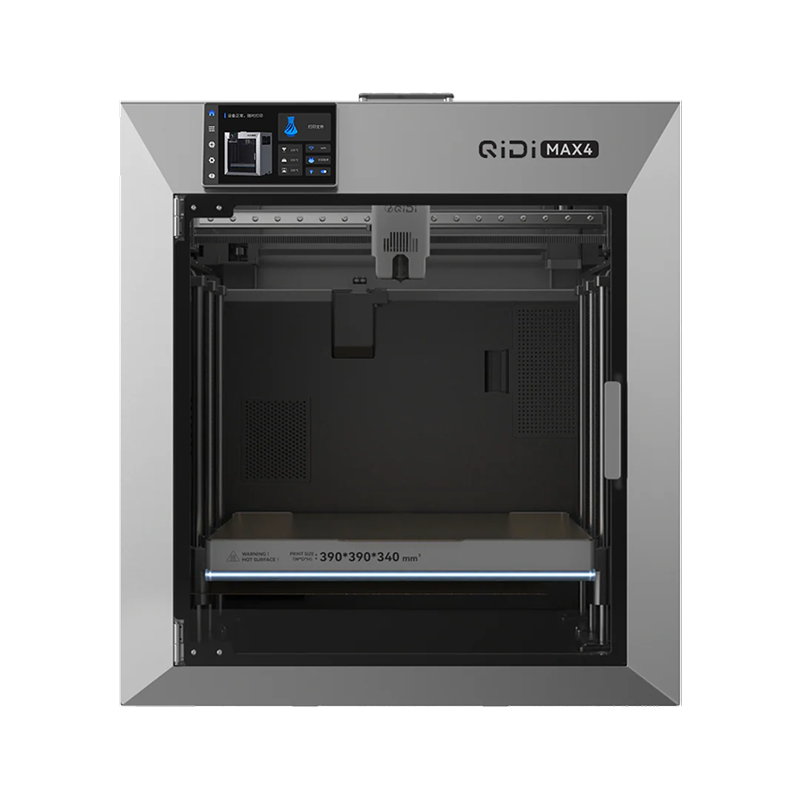
Best for: big parts in serious materials. The Max 4 pairs a 390 x 390 x 340 mm envelope with a 65 degree actively heated chamber and a high-temp hotend, which is the combination fixture-and-bracket work needs at this scale: large nylon, polycarbonate and carbon-filled parts that would warp off any open-frame machine. Qidi's polish trails the biggest brands, but the hardware value is unmatched in this niche.
Price: ~$1,219 (approximate; varies by bundle, sale period and region, click through for current pricing)
- 390 x 390 x 340 mm plus a 65°C heated chamber
- Prints nylon, PC and carbon-filled filaments at full scale
- Software and ecosystem a step behind Bambu and Creality
Bambu Lab H2C
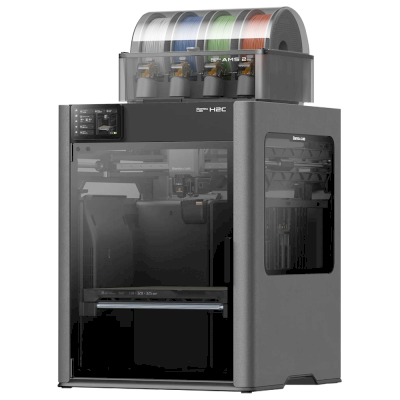
Best for: large-format work where materials mix. The H2C brings its six nozzle stations to a 330 mm class heated chamber, so a big print can carry dissolvable supports, TPU sections and multiple colors with almost no purge waste. It is the most refined machine on this page and priced accordingly; our best multicolor 3D printers guide covers its color system in depth.
Price: ~$2,399 (approximate; varies by bundle, sale period and region, click through for current pricing)
- Six nozzle stations: up to 7 materials at scale with near-zero purge
- Heated chamber covers engineering filaments
- Flagship price; extra nozzle stations cost $40 to $70 each
Original Prusa XL
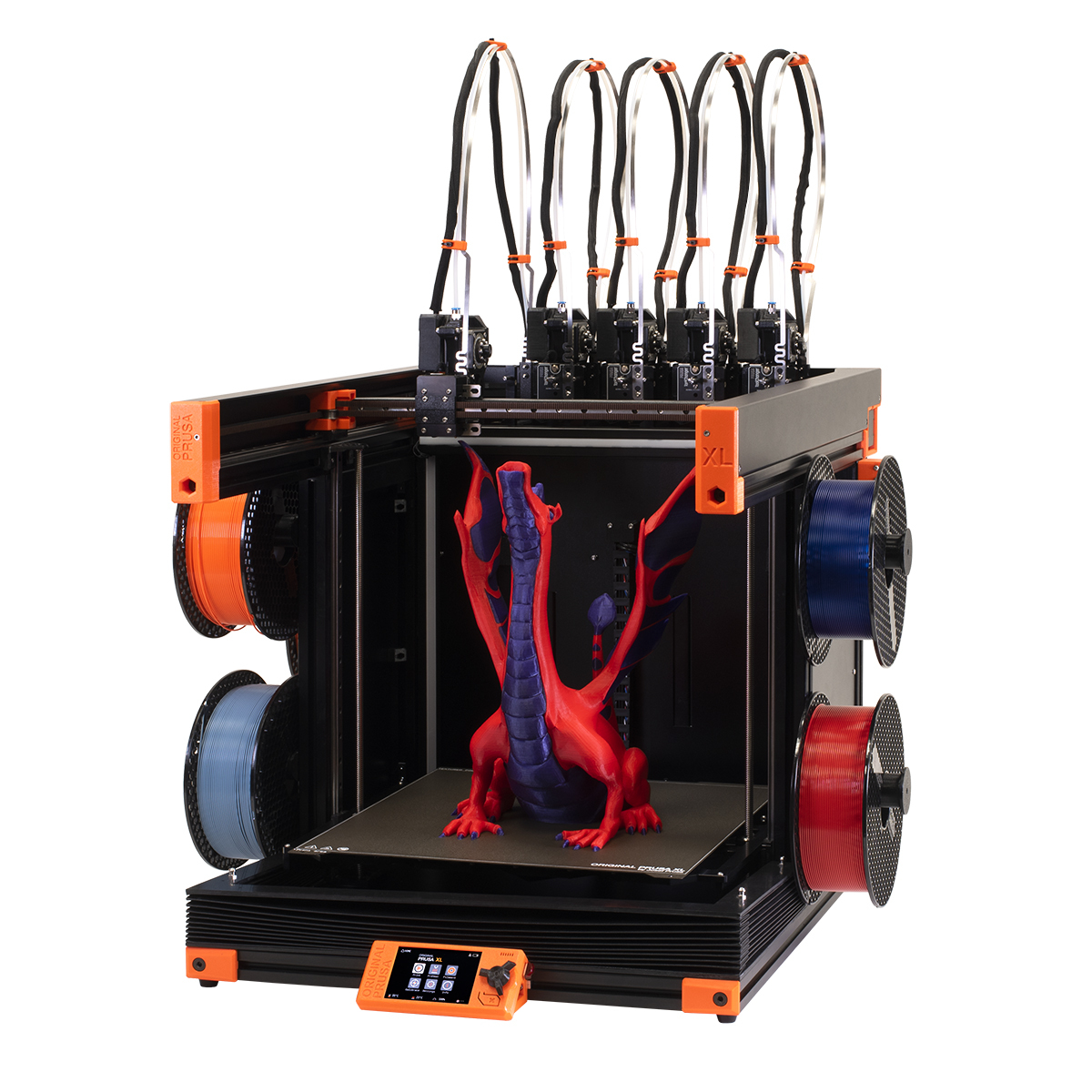
Best for: buyers who value reliability and repairability above speed. The XL's 360 mm bed rides a rigid CoreXY frame with up to five fully independent toolheads, which means true zero-purge multi-material at scale, plus Prusa's open ecosystem and legendary support. From $1,999 with one toolhead, it grows with you; the five-head configuration is the reference toolchanger of the consumer market.
Price: from ~$1,999 (approximate; varies by bundle, sale period and region, click through for current pricing)
- 360 mm bed with up to 5 independent toolheads, zero purge
- Prusa reliability, open ecosystem, and repairability
- Slower and pricier per feature than the CoreXY flagships
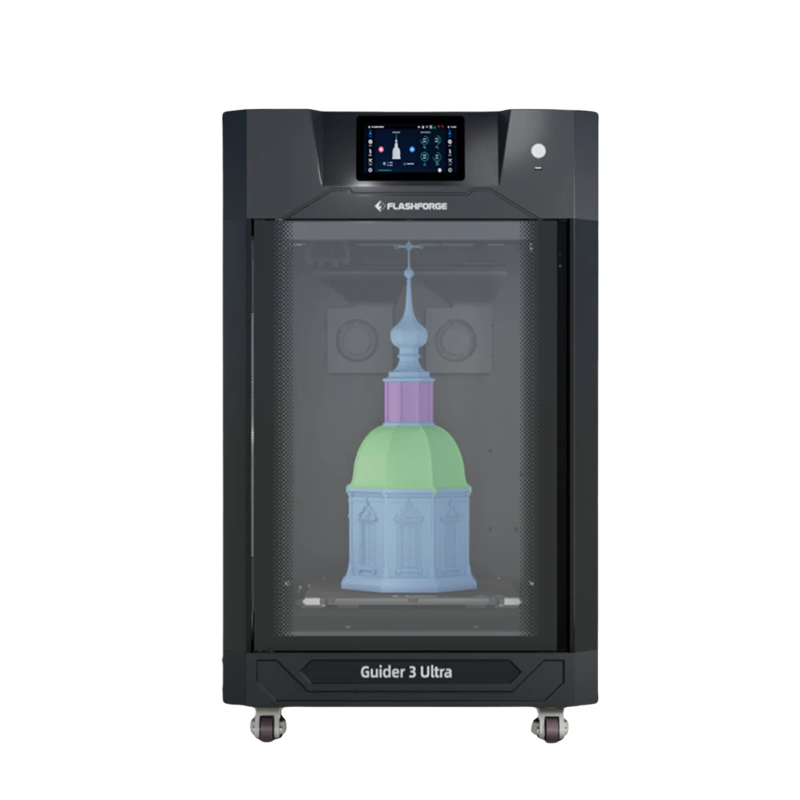
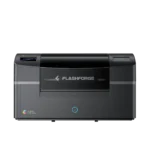
Flashforge Guider 3 Ultra
Best for: the prints nothing else here can fit: 330 x 330 x 600 mm, with 600 mm of Z-height for helmets on stands, tall vases, architectural columns and full-length props printed upright in one piece. The dual-extruder toolhead handles dual-color work and dissolvable supports on those big builds, and the enclosed chamber keeps engineering materials on the menu. A workhorse pitched at small businesses more than hobbyists.
Price: ~$2,999 (approximate; varies by bundle, sale period and region, click through for current pricing)
- 600 mm of Z-height, the tallest consumer-priced envelope here
- Dual extruder for dissolvable supports and two-material builds
- Business-tier price and footprint
Living with a big printer: the practical side
Filament logistics change first. A plate-filling print swallows two or three 1 kg spools, so bulk 3 kg spools and runout sensors go from nice-to-have to essential, and dry storage matters more because a multi-day print gives moisture days to cause trouble; the bulk-buying advice in our 3D printer filament guide applies double here. Slicers help too: check estimated filament weight against what is loaded before starting anything longer than a working day.
Space and infrastructure deserve one honest look before buying. A 420 mm machine wants a deep, dead-stable table and clearance for a moving bed, an enclosed 350 mm cube is the size of a mini fridge, and the Guider class is furniture in its own right. Big beds also draw serious power on heat-up. None of this is a problem, but all of it surprises people who shopped on build volume alone.
And plan for failure like a pilot, not an optimist. Watch the first layers, then trust the machine's camera and detection systems rather than hovering for two days. Prints that fail at 90% usually fail for preventable reasons: wet filament, a knot in the spool, or a draft from an open window lifting a corner. The enclosed picks above remove the last one by design.
How to choose a large format 3D printer
Four questions settle it.
- What are you actually printing? Props and PLA decor: the budget open-frame picks. Engineering parts: the heated-chamber machines. One-piece furniture: nothing on this page, see the large scale guide.
- How tall? Most “large” needs are wide, not tall; only the Guider class serves genuine 500+ mm heights upright.
- Color at scale? Big and colorful multiplies purge waste on swapper systems; our best multicolor 3D printers guide explains the systems, and the toolchanger and multi-nozzle picks dodge the waste.
- First printer? Buying big first is usually a mistake; learn on something smaller from our best printers for beginners guide, then size up with intent.
Still weighing size against speed or price? The flagship best 3D printers guide puts these picks alongside the whole market.
Explore the printer guides
This guide is part of our printer series. The flagship best 3D printers guide covers the whole market; the sibling guides pick the best multicolor 3D printers, the best printers for beginners, the best resin 3D printers, the best carbon fiber 3D printers, and the right machines for kids and schools. Going bigger than desktop? Our large scale 3D printing guide covers the industrial tier.
Frequently asked questions
What counts as a large format 3D printer?
The consumer standard settled around a 256 mm cube, so anything from roughly 300 mm per side upward earns the large-format label in 2026. The meaningful jumps are 300 to 350 mm (props, helmets, big functional parts in one piece), 400 to 500 mm (full cosplay armor pieces, batch production), and 600 mm and beyond, where consumer machines end and industrial large-scale printing begins.
How long does a large 3D print take?
Far longer than intuition suggests, because print time scales with volume: a helmet that fills a 350 mm machine commonly runs 20 to 40 hours even at modern speeds, and a build-plate-filling print on a 420 mm machine can pass the 100-hour mark. This is why failure detection, power-loss recovery and filament-runout sensors matter more on large printers than on anything else; a failure at hour 60 hurts.
Can you 3D print furniture at home?
Not realistically in one piece: an actual chair or table exceeds even a 500 mm envelope and demands the structural section thickness that industrial pellet printers produce. Home large-format machines print furniture-adjacent work well, lamp shades, drawer organisers, decorative panels, chair repairs, and multi-part builds that bolt together. True one-piece furniture lives in our large scale and industrial 3D printing guide.
Do large 3D printers need special filament?
The same 1.75 mm filament, just much more of it: a big print can swallow two or three 1 kg spools, so runout sensors and multi-spool planning matter, and bulk 3 kg or 5 kg spools cut both cost and swap interruptions. Buying advice for bulk filament lives in our 3D printer filament guide. Dry filament also matters more, since a 60-hour print gives moisture problems 60 hours to show.
Is there large-format resin printing?
Yes, and it is a different tool for a different job: machines like the Elegoo Saturn line print around 200 to 300 mm with far finer detail than any FDM printer, ideal for large display pieces and props where surface quality beats structural size. Our best resin 3D printers guide covers the large-format resin options; for meter-scale objects, FDM and industrial machines keep the advantage.
Do I need an enclosure for large prints?
For PLA and PETG, no; for ABS, ASA and nylon, absolutely, and more than on a small machine, because big flat parts concentrate warping stress across a wider span and a draft that a 100 mm part shrugs off will lift a 400 mm part off the bed. That is the practical argument for the enclosed picks above whenever engineering materials are part of the plan.
What about really huge prints, beyond 600 mm?
That is where consumer hardware stops and industrial large-scale printing starts: gantry machines from the likes of Modix and BigRep, and pellet-extrusion systems that print kilograms per hour. Costs jump from thousands to tens of thousands, and buying often makes less sense than commissioning the part. Our large scale 3D printing guide covers that territory, including when to get a quote instead of a machine.