
Pratt & Whitney is using metal 3D printing to develop Valox, a new family of small engines for munitions and uncrewed aircraft.
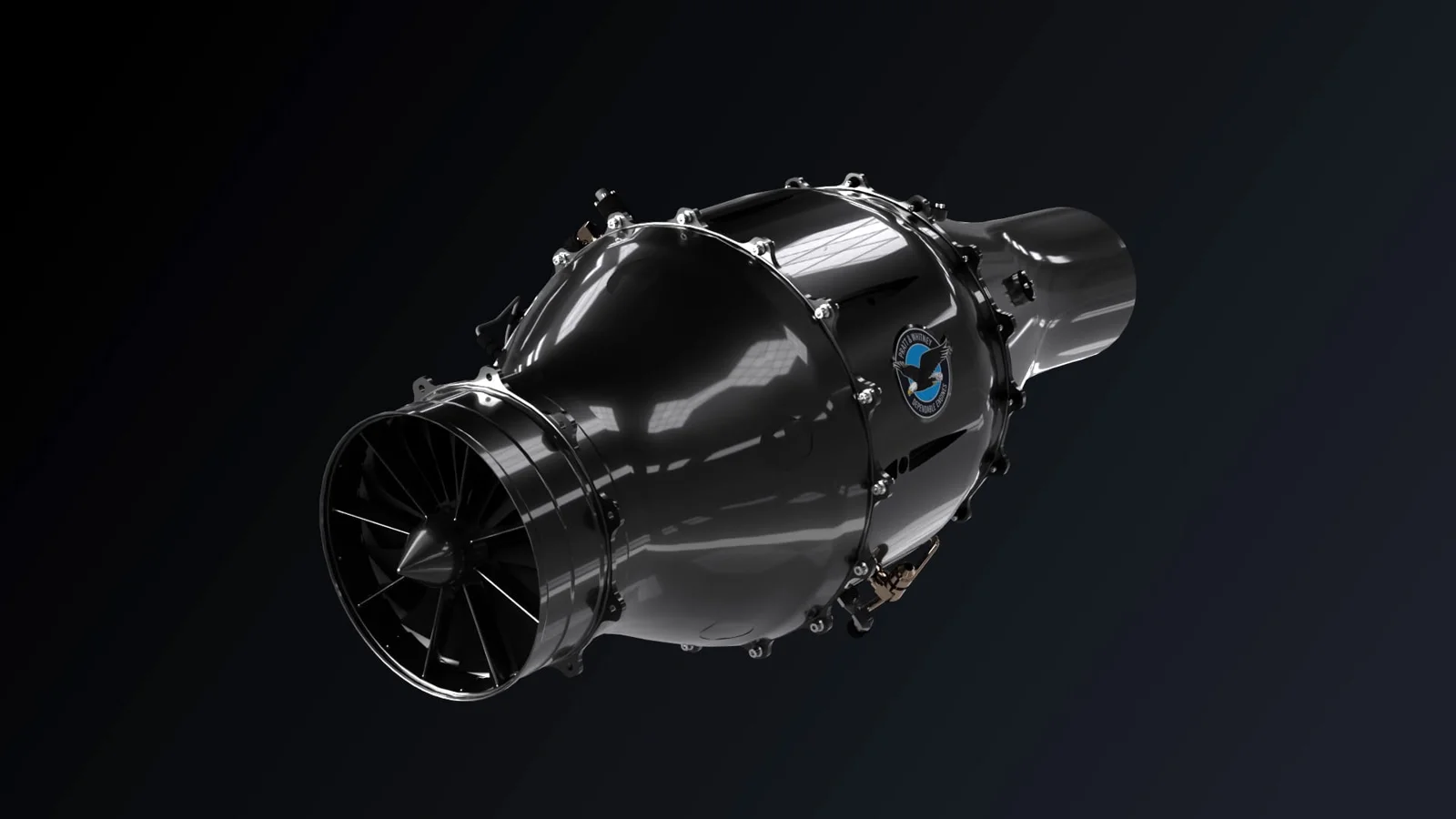
Most military engines take many years to develop and then stay in service for decades. Valox sits at the other end, because it is designed for platforms with short lifetimes. These include effectors, a military term for systems such as missiles and decoys, and autonomous collaborative platforms. The latter are uncrewed aircraft that fly in large numbers alongside manned fighters.
The family will deliver 500 to 1,800 pounds of thrust and adapt to many different airframes, from small munitions to large uncrewed aircraft. Each design should move from a clean sheet to production within months. The name blends the Latin velox, meaning swift, with ox, from the Greek for sharp.
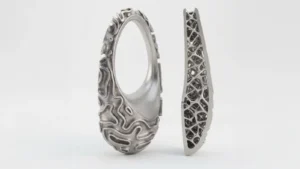
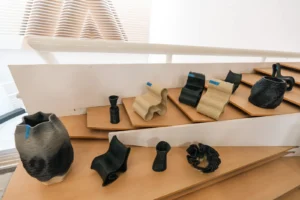
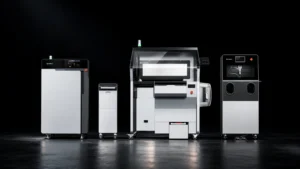
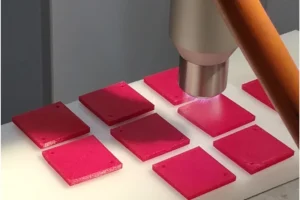
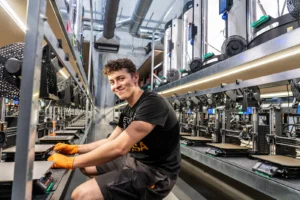
Metal 3D printing is a large part of that speed. At its additive manufacturing lab in East Hartford, Connecticut, Pratt & Whitney uses laser powder bed fusion. In this process, a laser traces a digital pattern over a bed of metal powder and fuses a layer as thin as a hair. The machine then spreads fresh powder and repeats the pass until the part is finished.
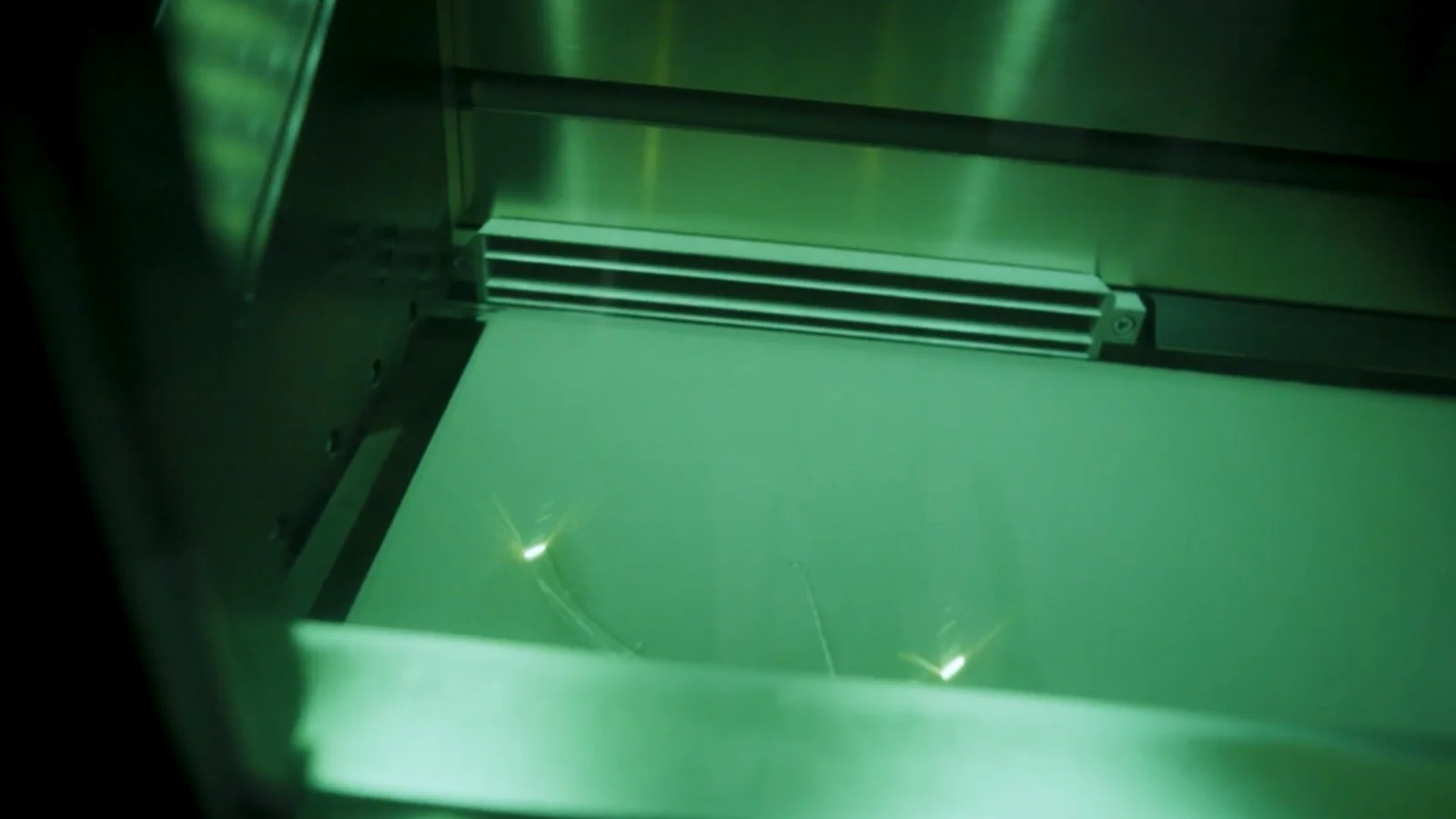
As a result, parts that could take more than a year with traditional methods can now be made in less than a week. The approach also scales, because validated digital build files can go to several suppliers to make multiple units at once.
Across the Valox family, engineers combine conventionally made parts with printed components in both the hot and cold sections. The hot section holds the combustor and turbine, while the cold section holds the fan and compressor. Printed parts can carry novel shapes and integrated features, which unlock performance gains and new configurations.
“You’re enabling your designers to think more aspirationally,” said Lawrence Binek, a Pratt & Whitney technical fellow for additive manufacturing.
The method already shows up in other engines. Pratt & Whitney recently finished demonstration testing of a TJ150 engine in which nearly 60% of the parts by volume were additively manufactured. Current versions of this keyboard-sized turbojet power Raytheon’s MALD decoy, and the company earlier tested a 3D printed rotating part for it.
Printing is only half of the approach, however. A digital thread, which is a connected stream of engineering data, now carries each customer requirement change through the program in seconds. It shows the effect on performance, testing, cost and qualification, whereas tracing a requirement through paper files could take months. Simulations will also help refine designs before any hardware exists.

“We are all working with the same data at the same time,” said Chrissy Williams, who leads the Advanced Military Engines portfolio at Pratt & Whitney. “That allows us to move processes from being in series to in parallel.”
Valox is Pratt & Whitney’s eighth digital program. Next, variants could one day power multiple types of platforms, while the work also opens a path to integrating Pratt & Whitney propulsion into Raytheon effectors.
Source: RTX, Pratt & Whitney Valox product page