
Snapmaker is developing U1 print profiles with the nonprofit MakeGood, so volunteers can more easily 3D print mobility trainers for young children.
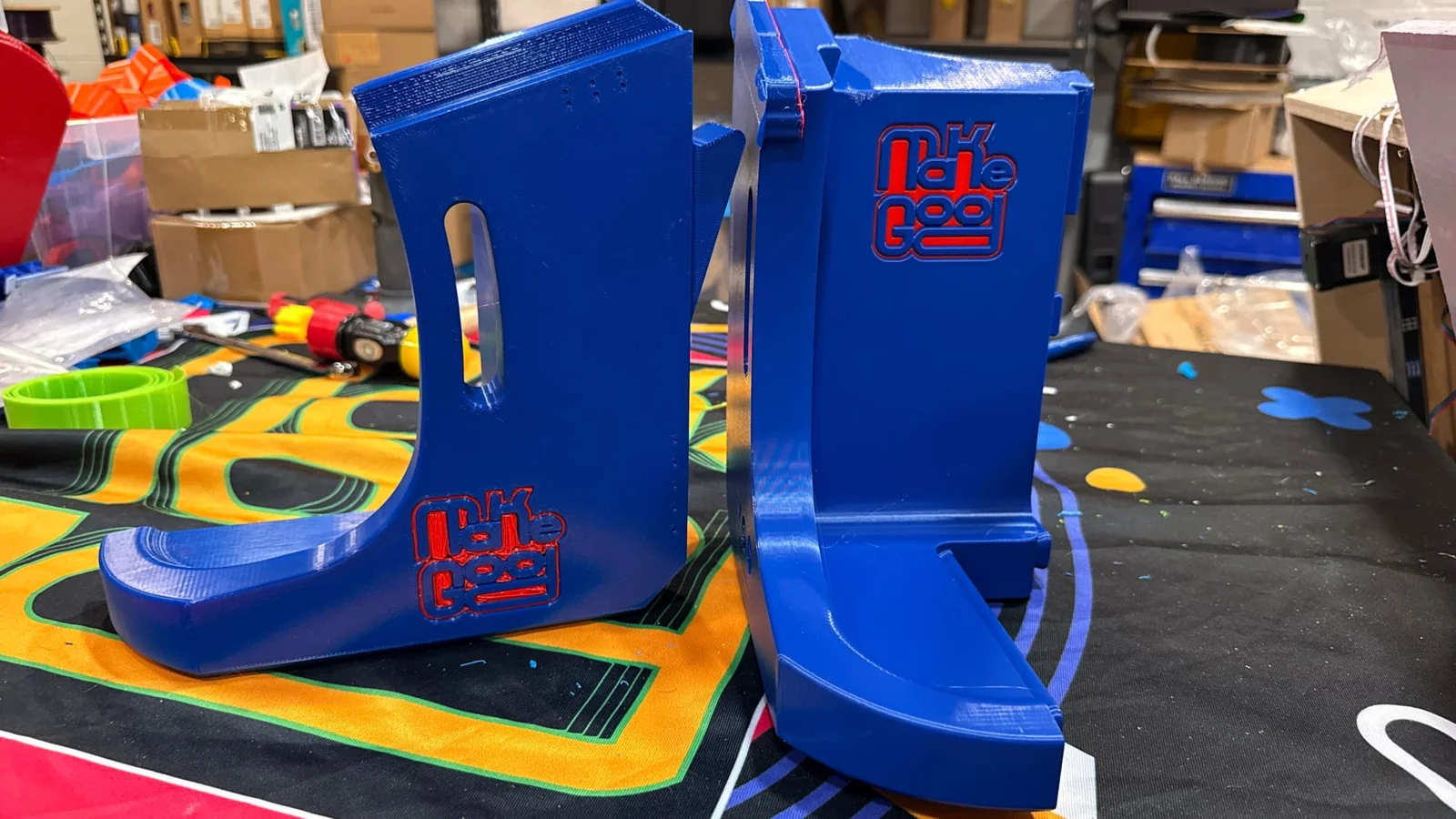
For a toddler with mobility challenges, moving on their own can mean choosing where to go and what to explore. MakeGood, a New Orleans nonprofit founded in 2021, designs open-source assistive devices together with families. Its 3D Toddler Mobility Trainer (3DTMT) is a small, 3D printed mobility device for children aged 1 to 8, which 3dprinting.com first covered in 2025. Families receive it free, because vetted volunteer makers print, assemble and deliver each trainer.
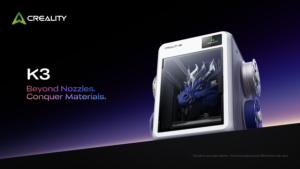
Building one is a big job, though. MakeGood’s 3D Mobility site lists about 9 kg of PETG and 2 kg of TPU filament per trainer. The print is split over 24 build plates and takes 200 to 250 hours in total. Print profiles are ready-made slicer settings for a specific printer, so they take much of the guesswork out of such a long job. Snapmaker and MakeGood are now building those profiles for the U1 toolchanger, which Snapmaker designed to print in multiple colors and materials. “So when a kid says it has to be purple, we get it,” the company writes.
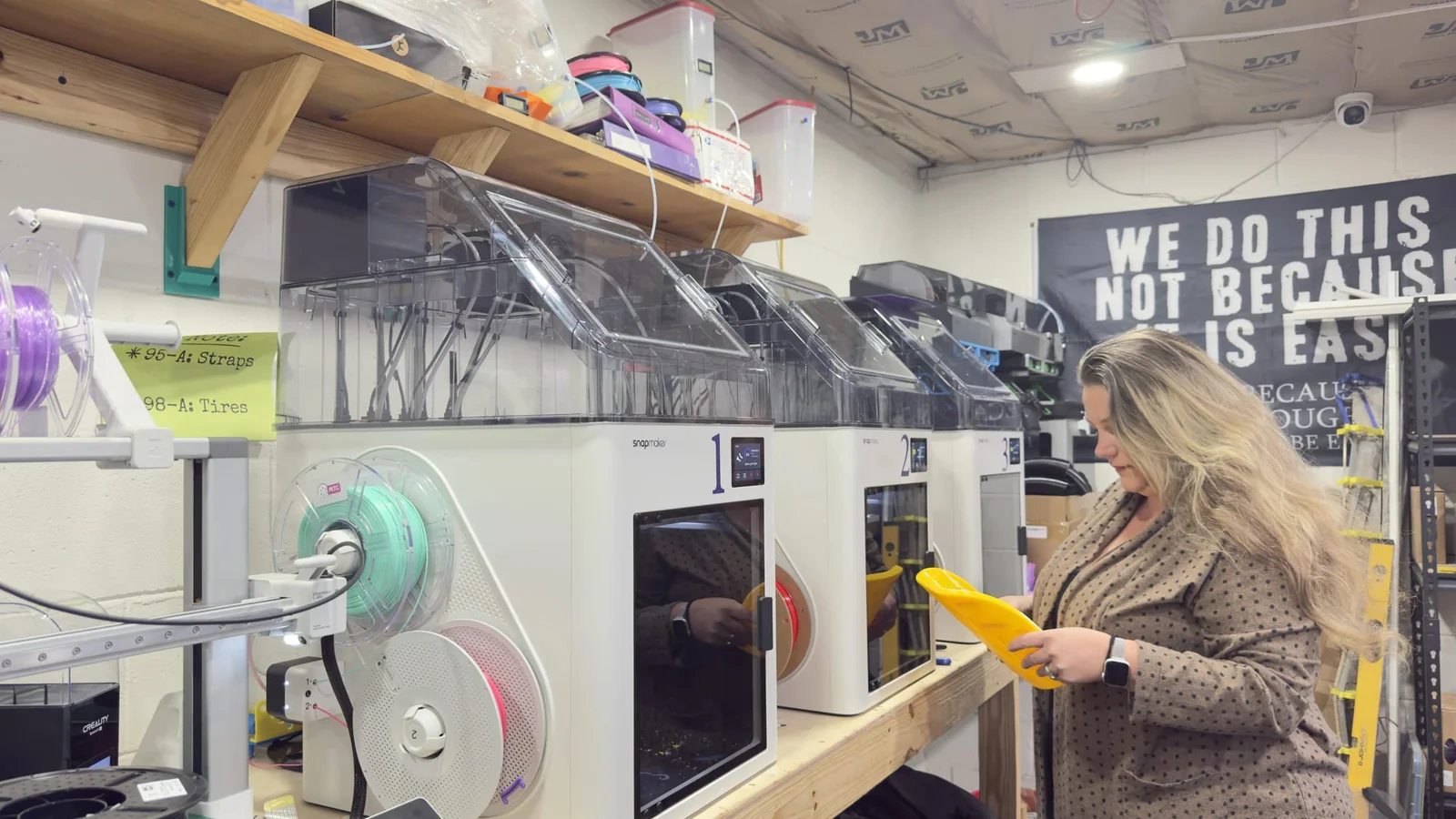
The support goes beyond software. In a video for World Children’s Day, MakeGood said Snapmaker donated three U1 printers to MakeGood South, its team near Pensacola, Florida. The package also covers filament for up to six trainers and six months of engineering support. MakeGood South builds and delivers trainers, runs a local print farm and helps run the 3D Mobility site.
“Every child deserves the chance to move, explore and play on their own terms,” said Noam Platt, founder and president of MakeGood. “With Snapmaker’s support, our volunteer makers can print brighter, more personal mobility trainers, and the U1 print profiles we’re building together will make it easier for makers everywhere to join in.”
For Blayne Sapelli, creative marketing manager at Snapmaker, the nonprofit is the expert, so Snapmaker’s role is to support it. “MakeGood knows what families need and what it takes for volunteers to build a mobility trainer,” he said. “We’re bringing the U1 and our engineering team to help make those trainers easier to print and personalize.”
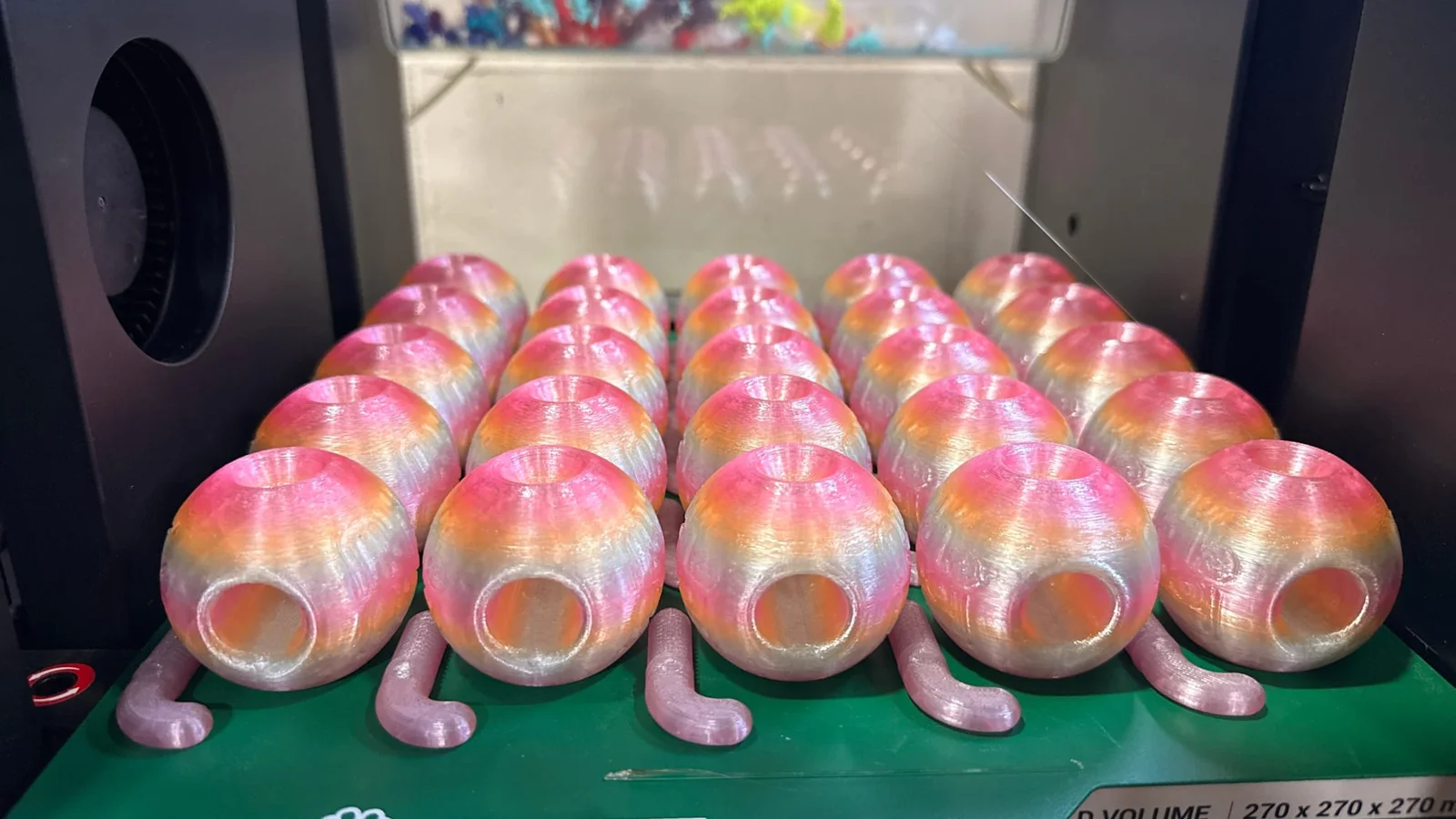
The volunteer model already works at scale. MakeGood’s network includes more than 1,800 makers, and it has delivered over 2,200 mobility trainers worldwide. Before a trainer reaches a family, MakeGood’s team reviews it for quality. The nonprofit also develops other assistive projects, such as 3D printed pen grips, and has already printed a batch of them on the U1.
Next, families can request a trainer, makers can apply to volunteer and supporters can help fund materials and hardware through 3D Mobility.
Source: Snapmaker, MakeGood 3D Mobility
Disclosure: this article contains affiliate links. If you buy through them, 3DPrinting.com may earn a commission at no extra cost to you. This does not influence our coverage.