
Jason Black of Bigshot Tinkers in Meridian, Idaho, designs lifelike multicolor wildlife models, from the Watchful Owl to a coiled rattlesnake.
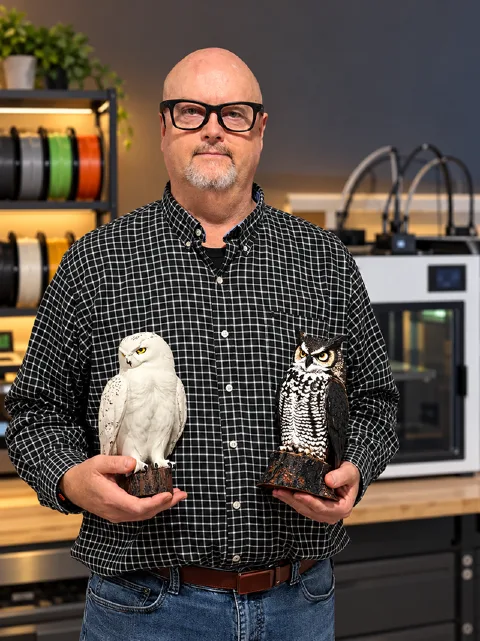
Black spent most of his career in IT, with a habit of tinkering that later inspired the name. He had been curious about 3D printing for some time, but held off because he could not decide what to make. Once he bought a printer, he used Tinkercad to build a small diorama of the farm where he grew up, after losing both of his parents.
Growing up on that farm, where his father raised sheep, left him with a strong connection to animals. He first printed playful creatures designed by other makers, then started wanting animals that looked realistic. The shift began on vacation, when he scanned a plastic hawk outside a rental property and printed a replica. That experiment made him wonder whether he could design a realistic owl of his own, and AI-assisted modeling tools helped him try.
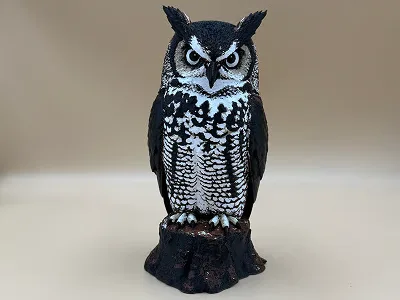
One result was the Watchful Owl, which became a turning point. He was amazed by how real the first owl looked, even though it took far longer to print than his earlier projects. Later, while he was eating in a restaurant, his phone filled with notifications. Photos and videos of the owl were spreading, and people were reacting to the fine detail and the many color changes. He realized the work could show other people what a consumer printer can do.
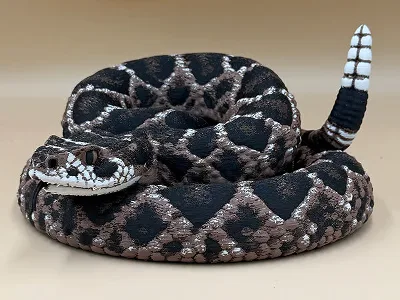
The Diamondback Rattlesnake looked so convincing, with its coiled body and markings, that Black caught himself doing double takes when it sat on the printer. Getting there was not simple. The snake’s delicate tongue kept breaking during prints, so after several attempts he began including a spare tongue on the build plate. Early bird models had a related weak point, because their thin legs looked right but snapped during support removal or shipping. Repeated tests taught him to change geometry, print orientation and supports so the animals stay durable without losing their looks.
Unexpected geometry, fragile details, difficult supports and color choices still have to be solved so other people can print the file reliably. For Black, a great model is not just one that looks impressive on screen. It also has to be enjoyable to print. That same balance now runs through later work, including a Jumping Spider and a Snow Leopard.
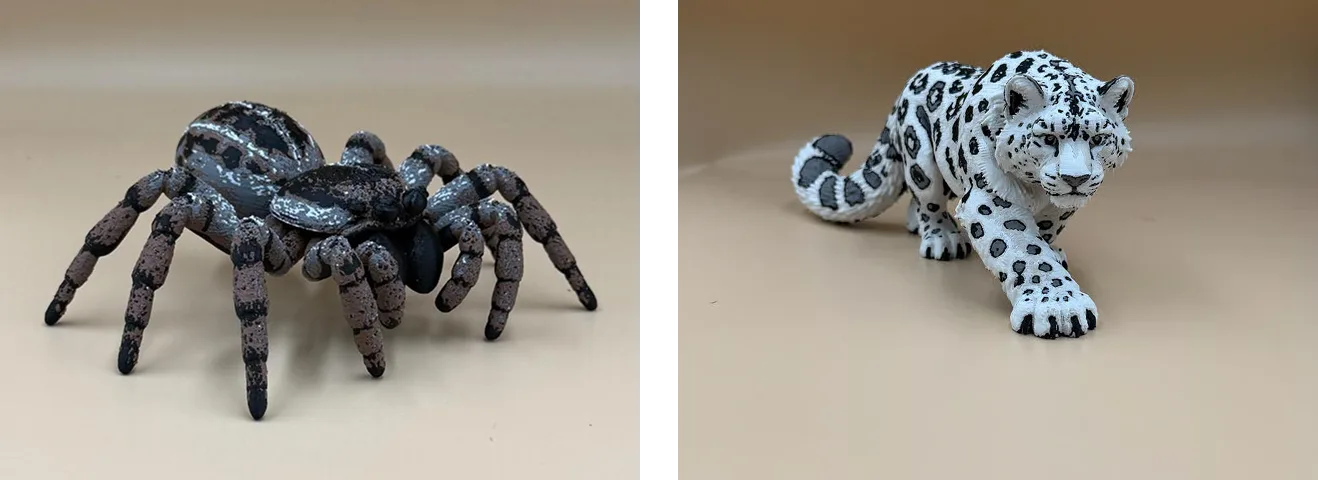
As the collection grew, so did the audience around it. With the Snapmaker U1 attracting more users, he began posting tested print profiles on Snapmaker Space, the company’s model library. That lets other U1 owners get strong results without mastering every setting. He also publishes models on MakerWorld and sells finished prints through his own shop. Sharing a model, for him, means giving someone else the satisfaction of bringing something special to life. A customer comment on one of his horse models has stayed with him. “I saw this and it reminded me of my whole childhood.” The remark landed because his own path started with memories of growing up on a farm.
His advice to anyone starting out is simple. “Just jump in and start experimenting.” He is now looking at color mixing and multi-material printing to bring still finer detail to the animals.
Source: Snapmaker