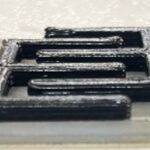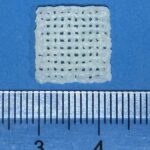

Engineers at TU Delft have 3D printed a short joint between a stiff lattice and a flexible one, a step toward implants that can connect hard tissue to soft tissue the way bone meets tendon.
The two materials could hardly be less alike, and engineers have struggled for decades to copy the short, strong seam the body uses. Sheet-based lattices, built from continuous surfaces, suit stiff structures such as bone. Strut-based lattices, built from beams, suit softer tissue. A direct join leaves a weak spot. A long, gradual blend avoids that spot, but it no longer resembles the compact interface in nature.
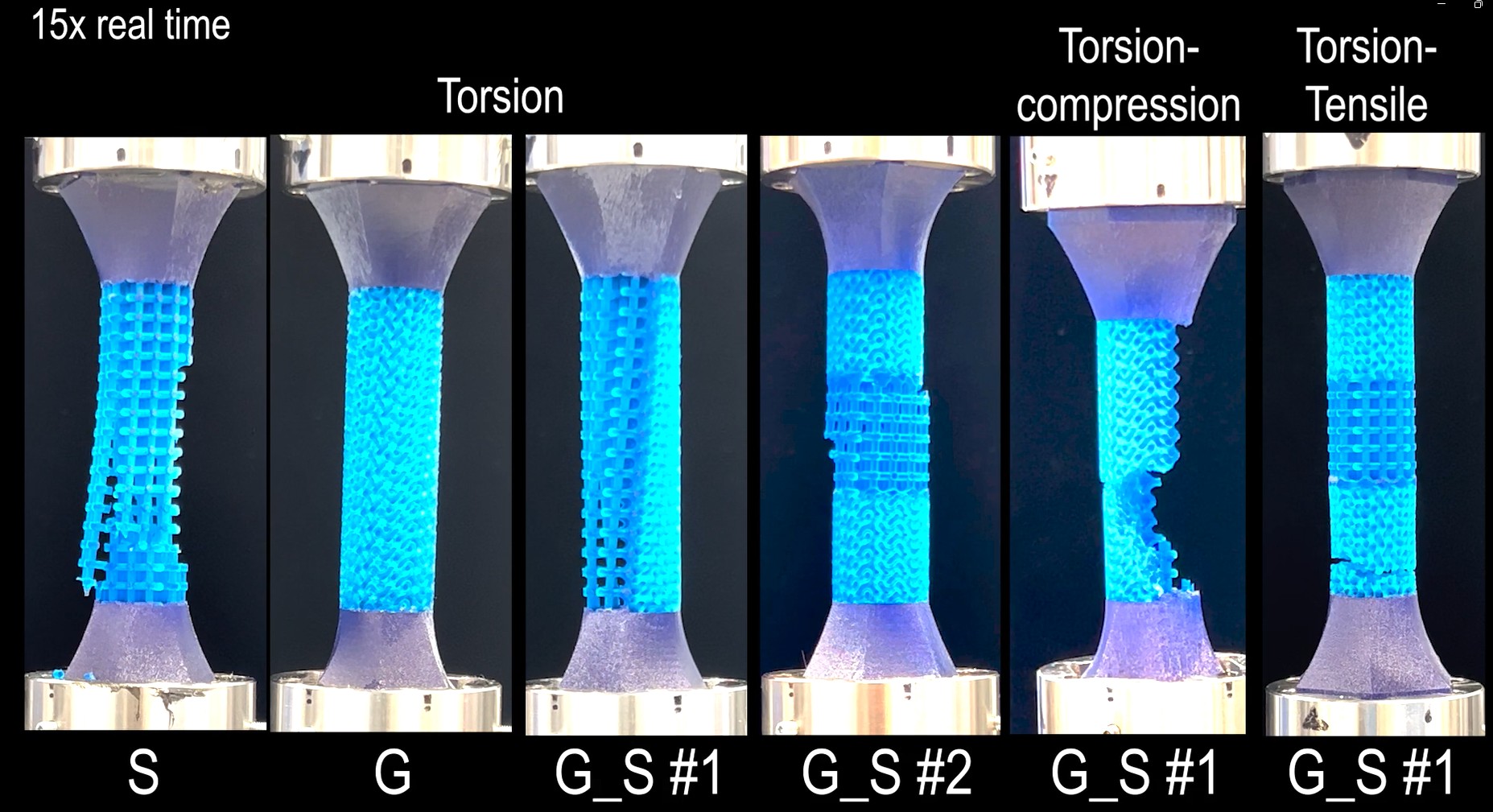
The Delft group wrote an algorithm that finds sheet and strut lattices that can meet, aligns their geometry, and inserts one transition cell that shares traits of both.
“Rather than creating an abrupt boundary, the transition cell enables a short, gradual change from one structure to the other, much like the natural bone-tendon interface,” said Vahid Moosabeiki.
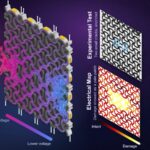
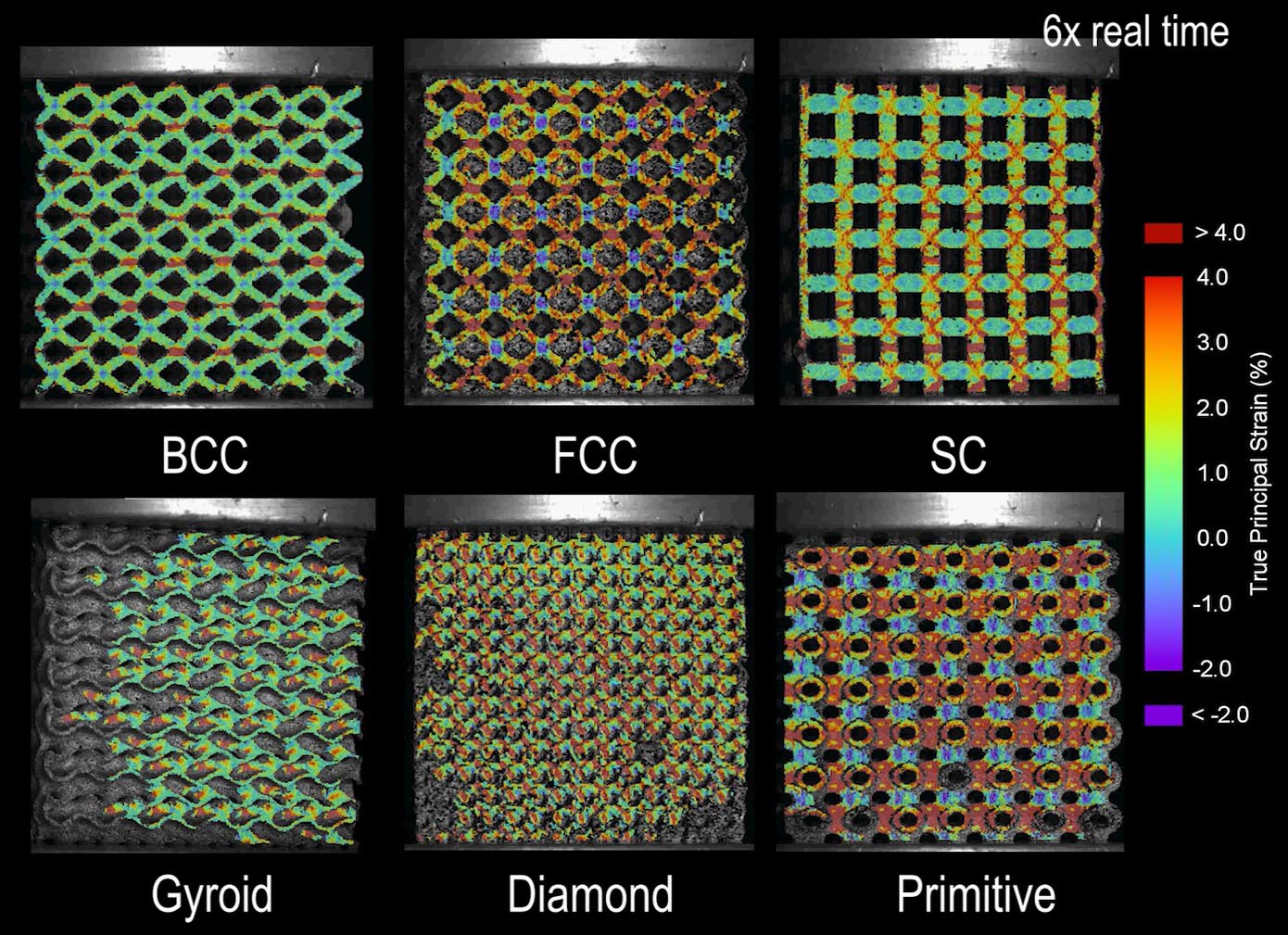
They printed several of the designs and ran mechanical tests. The tests showed that the computed joints can hold the two families of lattices together.
“Musculoskeletal disorders are among the leading causes of disability worldwide,” said Mohammad J. Mirzaali, an associate professor at TU Delft, “and improved methods for connecting hard and soft tissues could help advance future implants and tissue engineering strategies.”
The team is now growing cells on the hybrid structures. Cells have been studied on each lattice type alone. Much less is known about what happens when both sit in one part. The aim is to see whether the joint can steer different tissues to form, as the bone-tendon interface does. First author Jianxing Yang and professor Amir A. Zadpoor worked on the study with Mirzaali and Moosabeiki. It is published in Nature Communications.
Source: tudelft.nl