
Many historic buildings on the Swiss Plateau are made of molasse sandstone, a soft local stone. Years of weather loosen a band just beneath the outer surface of the stone, anywhere from a few millimeters to several centimeters deep, and that band falls away as a shell. Professors Robert J. Flatt and Benjamin Dillenburger at ETH Zurich have a 2026 Collaborative Grant to 3D-print artificial stones that fail in the same way, so the damage can be watched from the start.
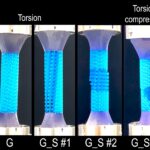
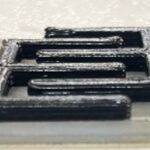
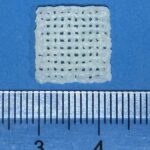
A block taken off a real wall is a one-off. The weak layer is already there, and the next stone is different. Printed stones can be made again, with the weak spot put where the researchers choose. A new desktop printer can change the material inside a single sample. The samples then go into a lab test that pushes the weather harder than a Swiss winter does.
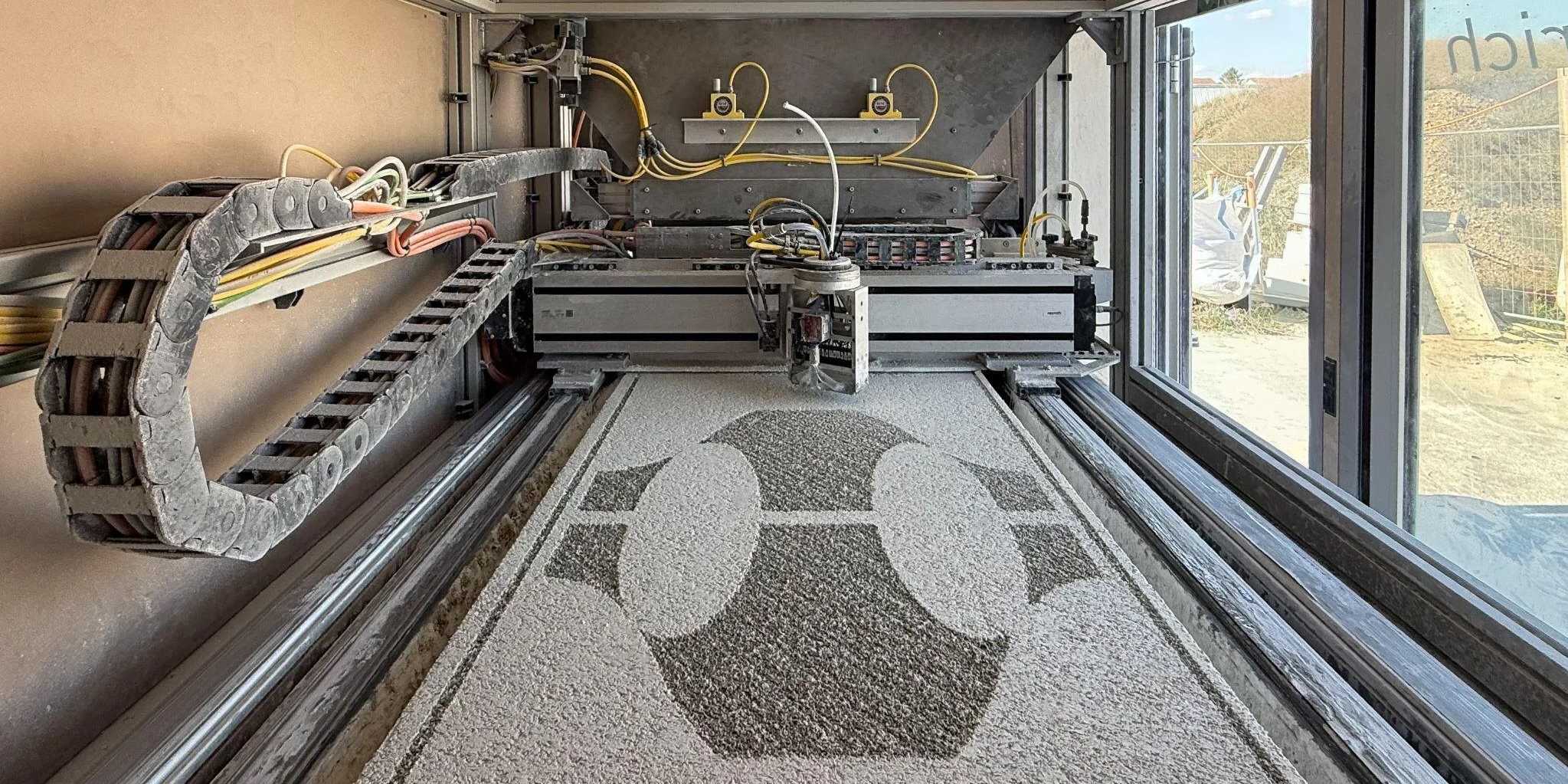
The stones will be made on a large binder-jetting machine built by Pietro Odaglia at Dillenburger’s Chair of Digital Building Technologies. It spreads mineral powder and binds only the parts of each layer that should become solid. The project is called spatially graded 3D printing to elucidate contour scaling of building stones. Contour scaling is the English name for the shelling.
Flatt is in the Department of Civil, Environmental and Geomatic Engineering. Dillenburger is in the Department of Architecture. The aim is to understand the shelling, to spot it quickly on a building, and to find a way to stop it.
Source: arch.ethz.ch