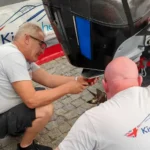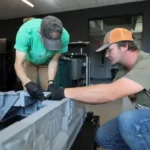

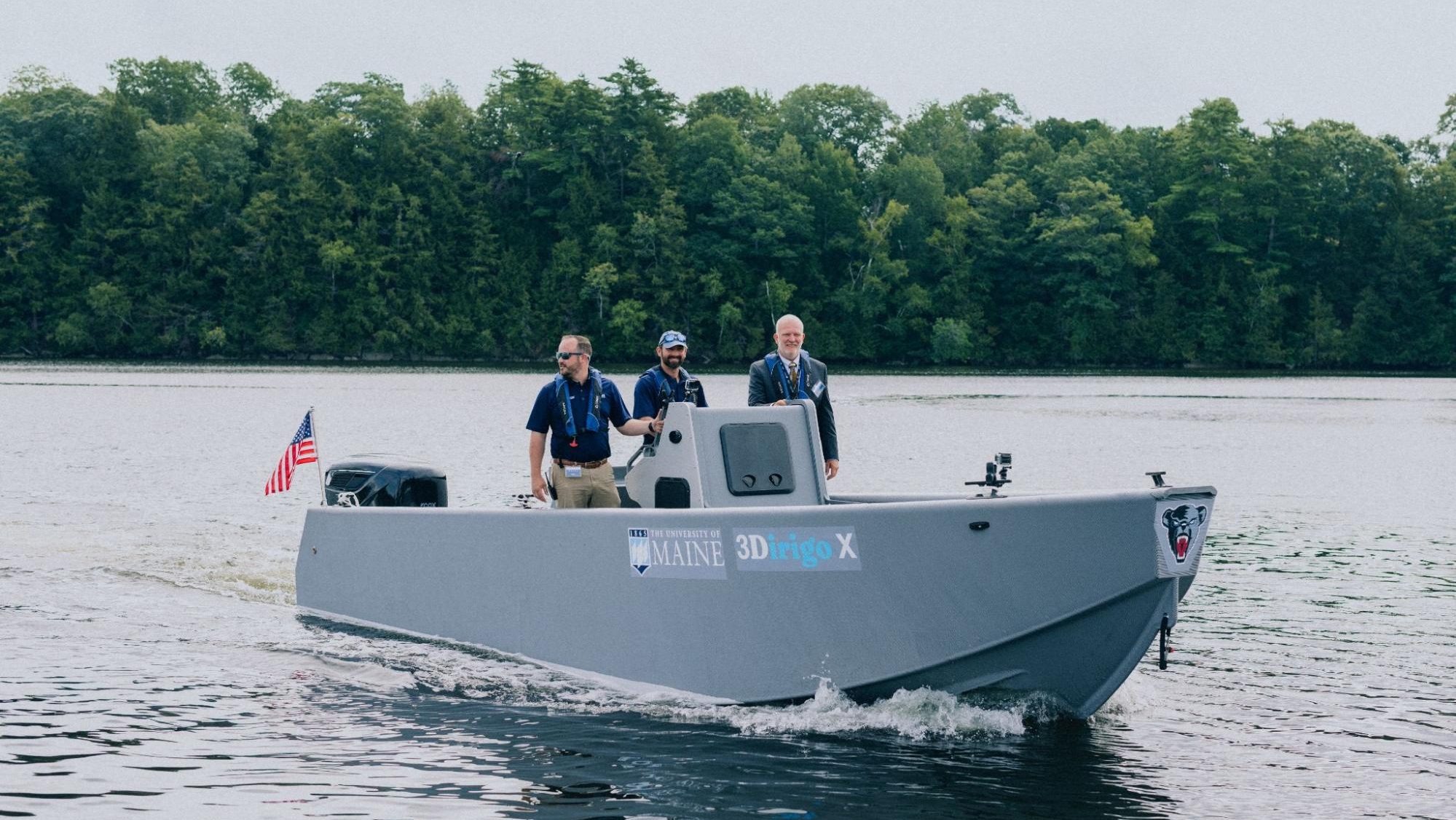
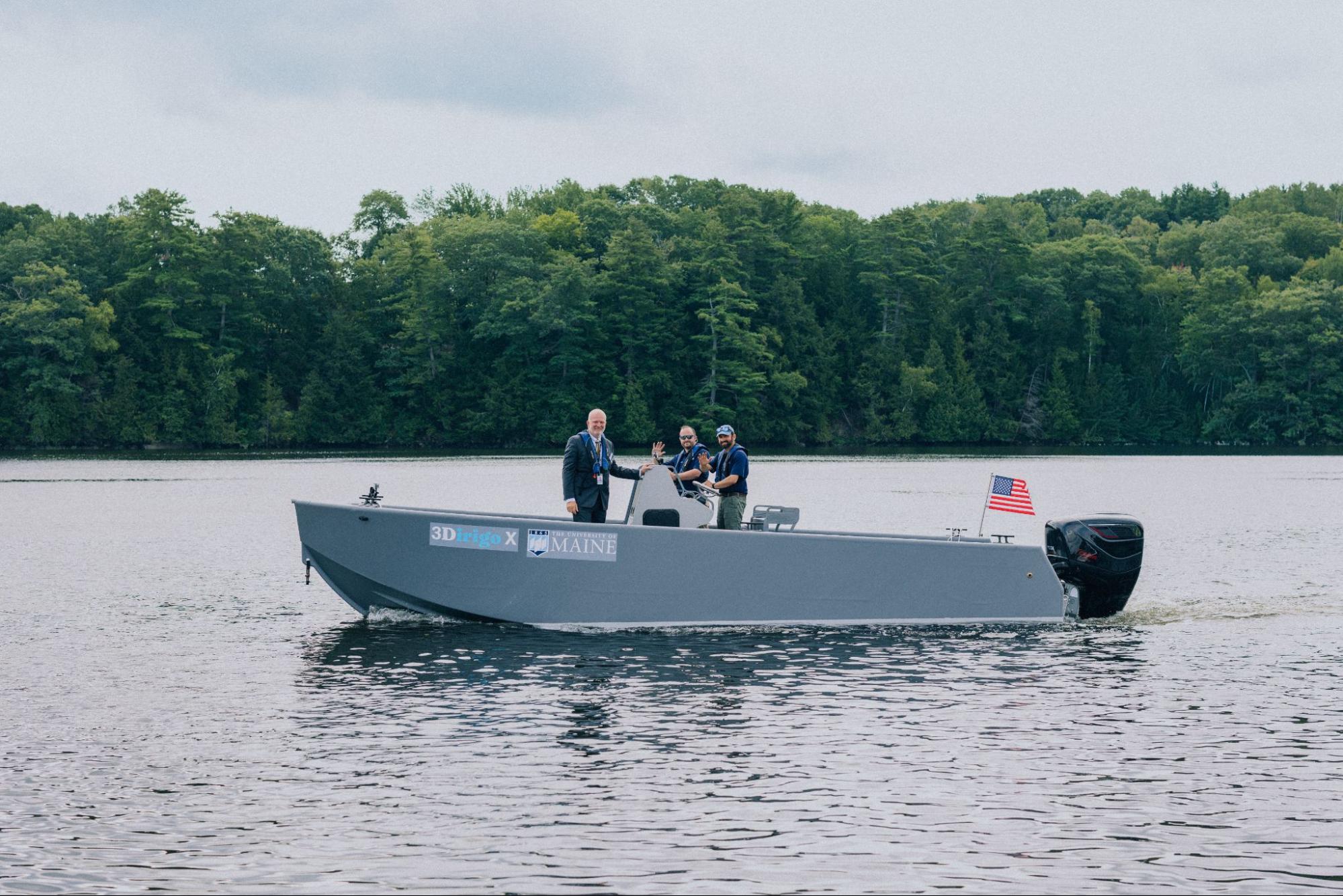
The University of Maine launched a 30-foot 3D-printed boat that researchers said can take offshore conditions at speeds approaching 40 knots, and that could let manufacturers skip a new mold for every hull.
The vessel, 3Dirigo X, was designed and printed at UMaine’s Advanced Structures and Composites Center in Hampden. It follows the original 3Dirigo from 2019, which showed a boat of this size could be printed and earned three Guinness World Records. The new hull is built for higher speed and open-ocean loads, not just a demonstration print.
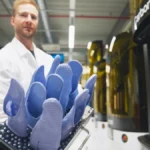
Print speed at the center has gone from about 20 pounds per hour when the work began to about 500 pounds per hour now. Composite mixes, digital design, sensors, and process controls have shortened the cycle. Because the geometry lives in a digital file, the same equipment can produce different hulls and parts without cutting a new mold.
“What’s different today, again, is the fact that we can model and design vessels,” said Habib Dagher, executive director of the Advanced Structures and Composites Center. “We have developed technologies to design vessels that can withstand the kinds of extreme environments in the open ocean.”
UMaine is preparing a Factory of the Future inside a new 55,000-square-foot GEM building, which Dagher said should push deposition toward 1,000 pounds an hour. The boat came out of the federally funded Accelerated Rapid Prototyping initiative, with defense research groups, national labs, and industry as partners. University, federal, and defense officials attended the launch, including U.S. Sen. Susan Collins and Keith DeVries, Manufacturing Technology director at the Office of the Secretary of Defense.
“Digital manufacturing allows us to build the digital twin,” DeVries said. “It enhances our design cycle. It enhances our test modeling and iteration so that the next copy is that much stronger than what we had today.”
Possible uses listed by UMaine include unmanned and patrol craft, logistics hulls, sensor platforms, and replacement parts. DeVries said the launch starts Atlantic sea trials, not a finish line. Durability under load still has to feed back into the models, and repeatability, inspection, and cost will decide whether yards treat the printer as another tool.
Source: umaine.edu