
Calgary supplier Aerotex and Alberta machine shop Levy’s Machine Works have certified a printed water scoop for the Canadair CL-415 firefighting aircraft. Aerospace Manufacturing reports that it is the aviation industry’s first 3D-printed water scoop.
The CL-415 fills from a lake, reservoir, or coastal inlet in as little as 10 to 12 seconds through retractable scoops under the fuselage, so crews can put more water on a fire before the aircraft has to return to an airport. Every scooping run hits those parts with high-speed water and speeds wear, and the inlets, internal flow paths, impact-resistant leading edges, and reinforcement are cast in production batches that carry a long lead time and a heavy manufacturing burden when an operator needs a part on short notice.
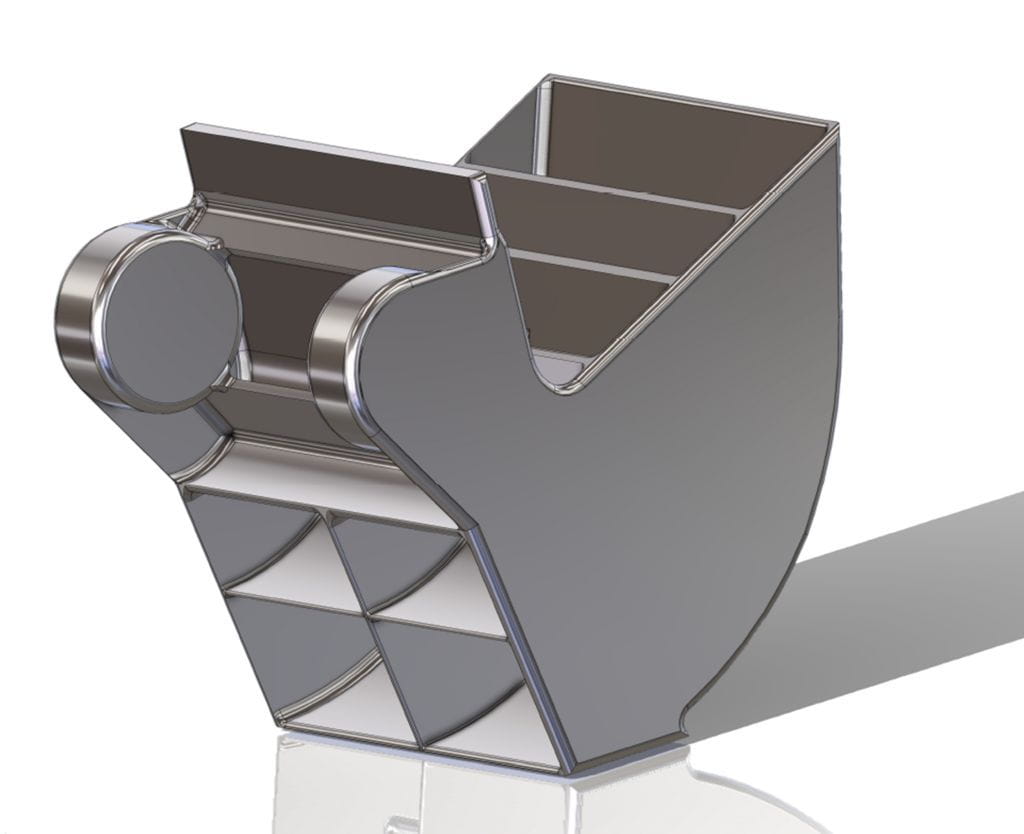
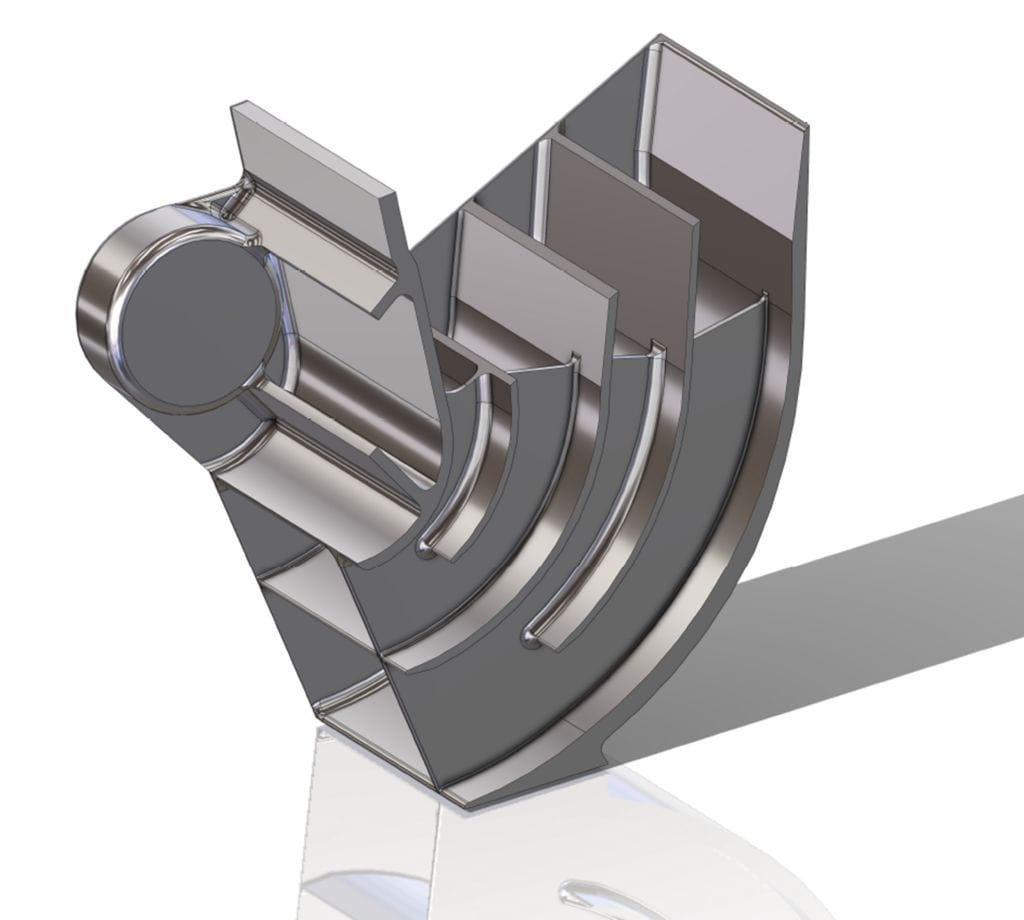
Aerotex approached Levy’s for a faster and more economical replacement scoop that would not compromise performance, reliability, or regulatory compliance, and the first question was whether the part could be CNC machined. The shop specializes in make-to-order machining of complex, close-tolerance parts, often in small batches, but the cavities, curved flow paths, reinforcement ribs, and weight-relieving pockets were too difficult to cut. Levy’s was exploring selective laser melting as a process it might add for other parts, and laser powder bed fusion could form those features at the low volumes a spare-parts order needs.
Transport Canada Civil Aviation treats the additive process as part of the approved component specification, so clearance required validation of material properties, process controls, inspection procedures, and structural performance. That work also meant finding an additive manufacturing specialist, a 3D printing partner, and metallurgical testing partners who could carry the cast-part requirements into the new checks. Levy’s reviewed metal powders to find printed properties that matched the cast part, ran test builds through destructive and non-destructive testing, and carried each result into the next print plan while working with Transport Canada to update the engineering order so the controls would keep printed scoops consistent.
“This TCCA-approved process introduces high-efficiency production for essential hardware, significantly streamlining lead-times from months to weeks,” said Dan Cormier, director of engineering and development at Aerotex. “By providing a cost-effective and rapid-response parts solution, we can support fleet readiness and work alongside operators to keep these vital aircraft operational when they are needed most.”
The printed scoops still need some machining, and apart from fixtures Levy’s built to hold the irregular shape, that cutting was routine shop work.
Source: Aerospace Manufacturing