
Scientists at The University of Manchester have found that small temperature changes during molten metal deposition can substantially alter the quality of 3D-printed aluminium parts, according to a study published in Materials & Design.
The research focused on molten metal deposition, or MMD, a process that deposits pre-melted aluminium rather than melting it in place. That approach reduces the intensity of thermal cycling compared with many established metal 3D-printing techniques, which typically involve extremely rapid heating and cooling that can introduce residual stresses and distortions. The team tested the process using aluminium alloy 4043, a material common in manufacturing and engineering.
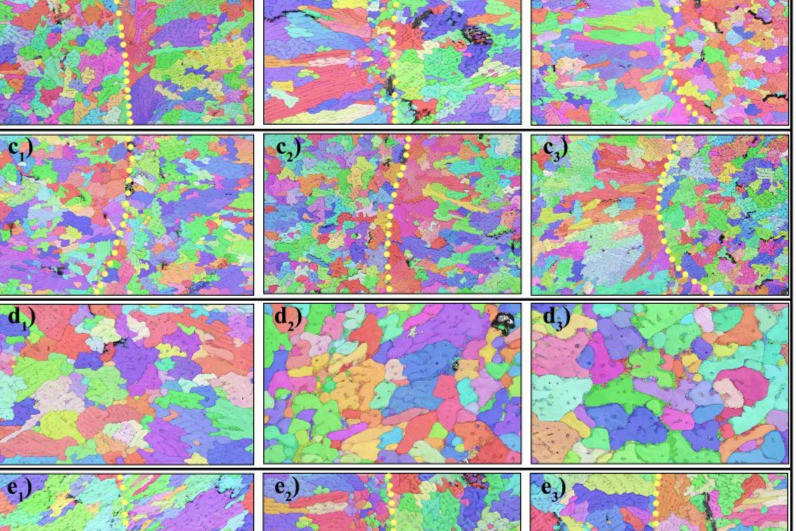
Higher nozzle and substrate temperatures slowed cooling, which produced larger grain structures and increased porosity — tiny internal voids that can weaken a component. Lower processing temperatures did the opposite, promoting faster cooling, finer grain structures, and fewer defects. The study also found that defect levels and grain size generally decreased as printing built up through successive layers, suggesting thermal conditions shift as the build progresses and influence how the material solidifies.
“Understanding how processing conditions affect the internal structure of a printed component is essential if additive manufacturing technologies are to be used more widely in demanding industrial applications. Our study shows that relatively small adjustments in manufacturing temperatures can have a major impact on defect formation and microstructural development,” said Dr Fan Wu and Dr Wajira Mirihanage, co-authors from the Department of Materials, The University of Manchester.
Despite the defects observed, hardness and elastic modulus values for the printed components fell within the expected range for aluminium alloy 4043, putting them on par with parts made through conventional manufacturing routes.
Dr Wu and Dr Mirihanage noted that MMD is still relatively new and that existing understanding of how its processing conditions affect finished materials is limited. By establishing links between parameters, microstructure, and defect formation, they say the work lays a foundation for optimising future manufacturing strategies. MMD itself has been developed by ValCUN BV, a Belgium-based manufacturer focused on deployable and affordable metal additive manufacturing.
Source: manchester.ac.uk