
An injured southern ground hornbill at Artis Zoo in Amsterdam has received two titanium 3D-printed prostheses that replace the broken upper and lower parts of its beak. The bird was already using the new beak on the day of surgery.
As far as is known, this is the first time both parts of a bird beak have been restored this way, Artis said in a Thursday press statement. A beak is essential for preening and foraging, and after the break the hornbill managed on two stumps with everyday behavior still restricted.
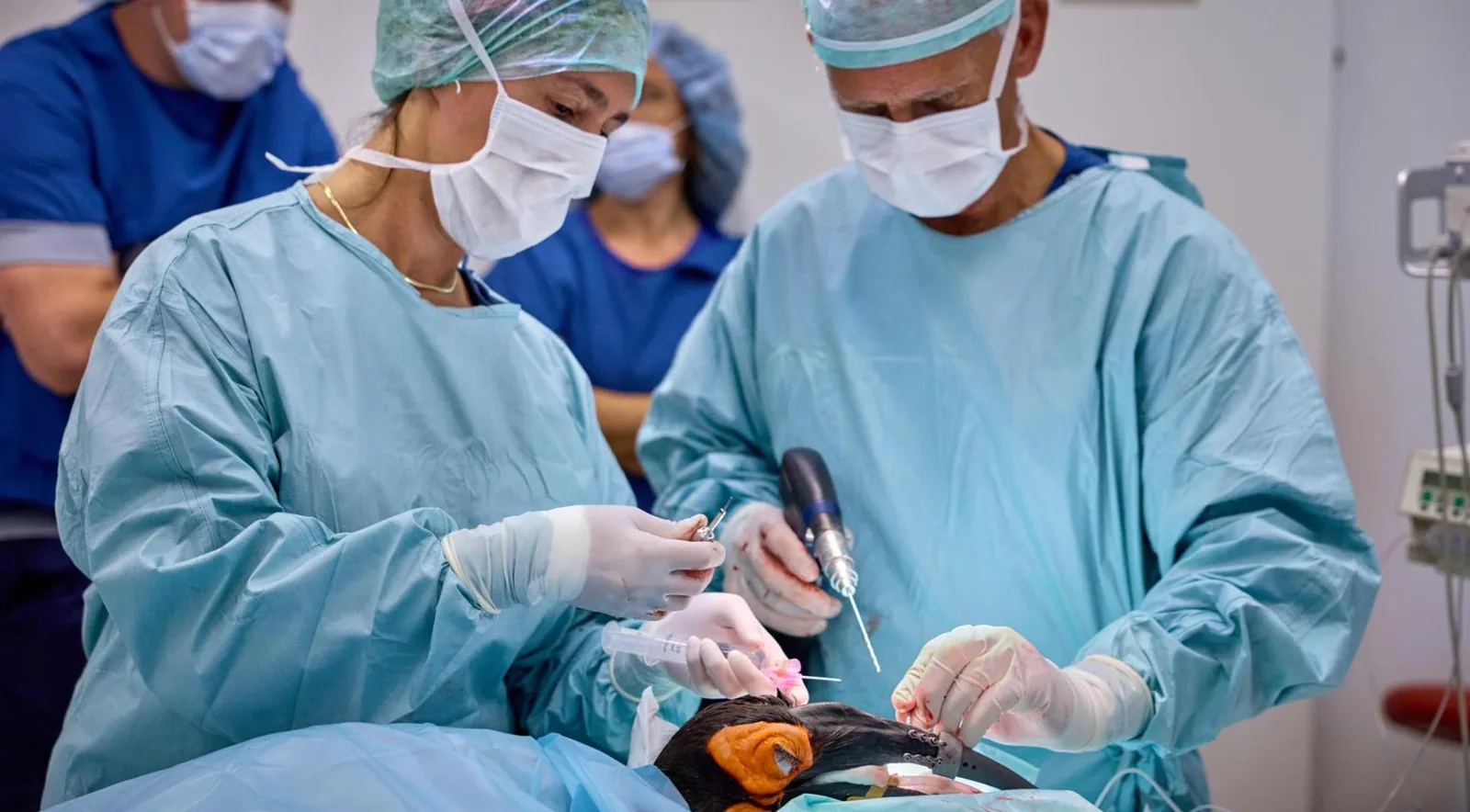
The procedure was a collaboration between Artis, Utrecht University’s Faculty of Veterinary Medicine, UMC Utrecht, and Amnovis. Using a CT scan and the preserved sections of the original beak, Joëll Magré of UMC Utrecht developed the two printed sections. Amnovis manufactured the titanium components that surgeons later fitted to the remaining stumps.
Artis veterinarian Martine van Zijl Langhout and avian specialist Yvonne van Zeeland developed the treatment plan that framed how the bird would be prepared, operated on, and watched afterward. Veterinary surgeons Bjorn Meij and Lucinda van Stee from Utrecht University’s Faculty of Veterinary Medicine performed the operation itself, attaching the upper and lower prostheses in a single procedure.
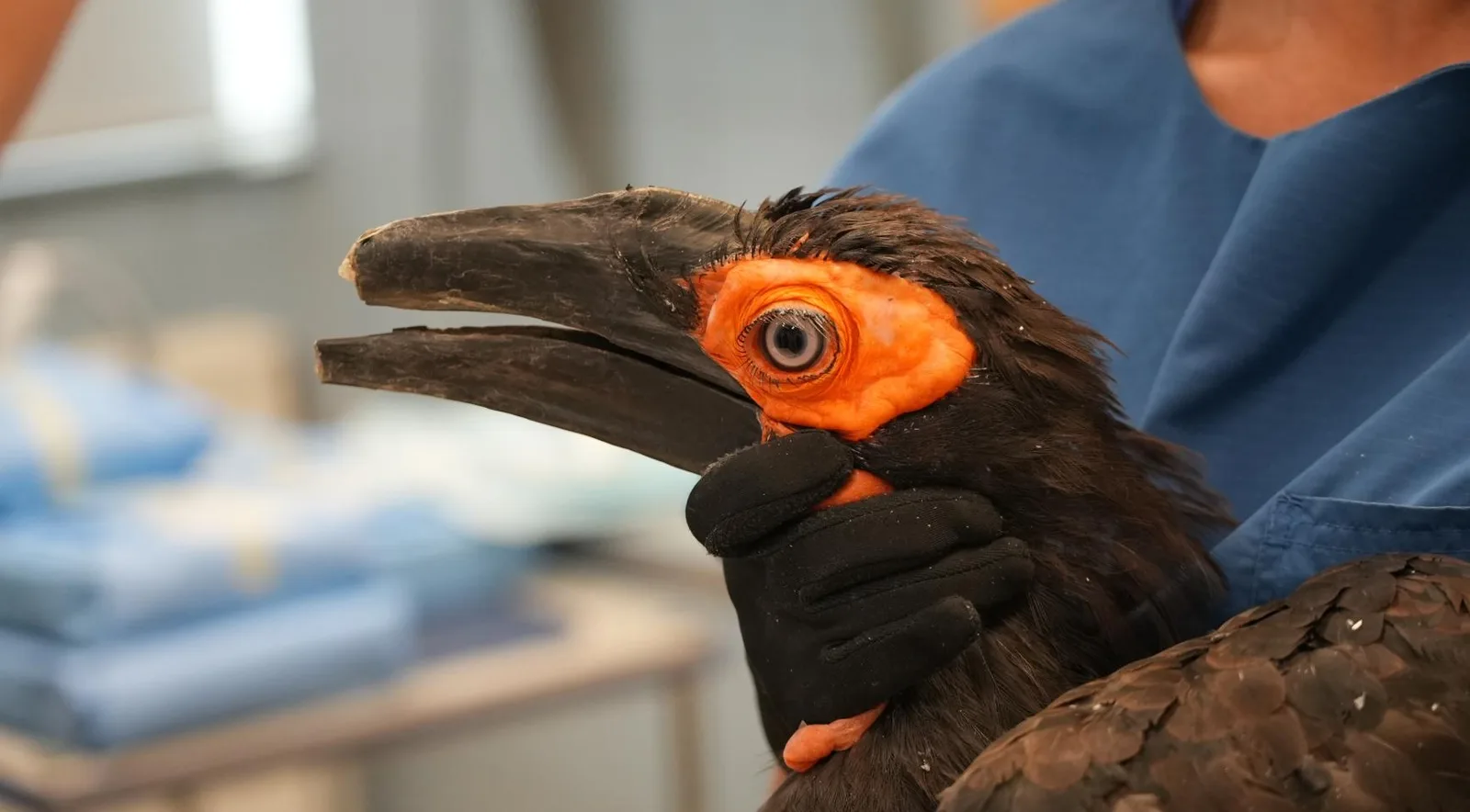
“He started using the prostheses on the day of the surgery. The following morning, he independently picked up a small mouse from the ground,” the zoo said. “After a few days, he also began preening his feathers.”
That early return to foraging and preening is the practical test for an implant that has to survive force, dirt, and daily wear on an animal that cannot leave its beak alone. The southern ground hornbill relies on a strong bill for the same tasks other birds solve with a lighter beak, so both halves had to match the original geometry closely enough for the bird to accept them.
The design path started from the fragments that could still be measured. Magré combined those pieces with CT data so the printed titanium sections would seat on the remaining bone and soft tissue without asking the surgeons to reshape the bird around a generic part. Amnovis then produced the metal hardware that went into the operating room.
Researchers will keep monitoring recovery to see whether the prostheses hold up long term, in the hope the approach can open new options in veterinary medicine when other birds lose upper, lower, or both halves of a beak to injury.
Source: NL Times