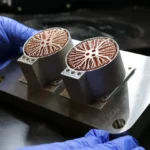

The best carbon fiber 3D printers share three things: a hardened steel (or tougher) nozzle that survives abrasive fibers, hardened drive gears and a direct extruder to feed filament that is stiffer and more brittle than usual, and ideally an enclosure or heated chamber to stop fiber-filled engineering plastics warping as they cool. Get those right and carbon fiber filament rewards you with parts that are stiffer, more dimensionally stable, and better-looking than plain thermoplastics, though chopped fiber also makes them more brittle, so they resist bending better but take an impact less well. This guide covers ten machines that print CF-filled filament out of the box with no modifications, from a $459 budget pick to continuous-fiber systems that rival machined aluminum in the fiber direction. The same abrasive-ready hardware runs other composite filaments too, glass-fiber (GF) grades especially, so this doubles as a guide to the best 3D printers for composite materials; for the filaments themselves, see our best composite filaments guide.
Carbon fiber capability is one requirement among many; for the full market across every category and budget, see our best 3D printers guide.
Independently researched. 14 years of 3D printing coverage at 3DPrinting.com, including hands-on reviews of several machines below. Some links on this page are affiliate links, and we never recommend a printer we would not buy ourselves. Prices shown are approximate (the ~$ figure), researched in June 2026, and vary by bundle, sale period, and region; click through to the manufacturer for current pricing.
What a 3D printer needs to handle carbon fiber
Carbon fiber filament is regular thermoplastic (PLA, PETG, nylon, PC, or PPS) blended with tiny chopped carbon strands. Those strands are what stiffen and lighten the part, but they are also abrasive. Pushed through an ordinary brass nozzle they wear the bore out within a spool or two, so the first requirement is a hardened nozzle: hardened steel at minimum, with tungsten carbide or ruby on higher-end machines.
The filament is also stiffer and more brittle than its unfilled cousin, which makes it prone to snapping or grinding in a long, springy filament path. A short, geared direct-drive extruder handles it far more reliably than a Bowtie setup. The third factor is heat management. CF-PLA and CF-PETG print happily on an open machine, but the materials people actually buy a CF printer for, carbon-fiber nylon (PA-CF), polycarbonate (PC-CF), and PPS-CF, warp badly without a stable, warm environment, so an enclosure, and on the more capable machines an actively heated chamber, becomes the deciding feature.
One last thing that catches people out: these filaments are hygroscopic and drink up moisture from the air, which ruins surface finish and strength. Drying the spool before printing matters as much as the printer itself (see our best filament dryers guide), and the nylon-based grades are the worst offenders, reabsorbing moisture within hours, so for those print straight from a heated dry-box rather than drying just once. Every printer below clears the nozzle and extruder bar out of the box; they differ mainly in how warm a chamber they give you, and therefore how exotic a carbon-fiber material you can run.
Our top picks at a glance
The fast answer by use case. Detail cards and a full comparison table are below.
Jump to menu
Best budget carbon fiber 3D printers
Two machines prove you do not need to spend four figures to print carbon fiber. Both ship with a hardened nozzle and a direct extruder, so CF-PLA, CF-PETG, and PA-CF run out of the box. They are enclosed rather than chamber-heated, so very high-warp materials like PPS-CF are out of scope, but for the carbon-fiber filaments most makers actually use, they are remarkable value.
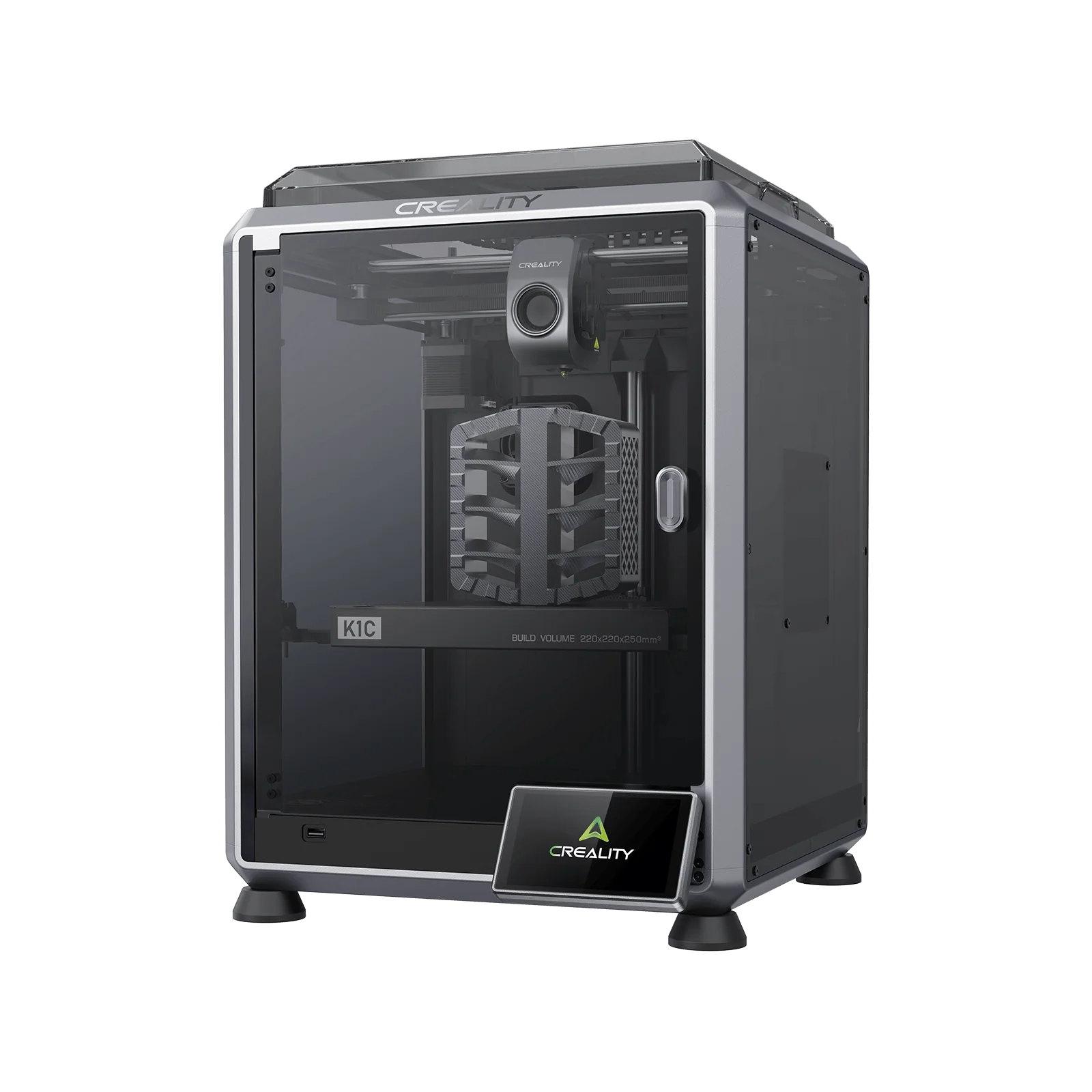
Creality K1C
Best for: the cheapest CF-ready machine. The K1C was designed specifically around chopped carbon fiber: it ships with a hardened steel-tipped nozzle integrated with the heat break, an all-metal hotend to 300C, and a dual-gear direct drive, so it prints CF filament the moment you unbox it. Setup is smartphone-simple, and the enclosed CoreXY body keeps CF-PLA, CF-PETG, and CF-nylon stable at up to 600mm/s.
Price: ~$459 (approximate; varies by bundle, sale period and region, click through for current pricing)
- Build volume 220 x 220 x 250mm; up to 600mm/s
- Hardened steel nozzle to 300C; dual-gear direct drive
- Enclosed (passive); CF-PLA, CF-PETG, PA-CF capable
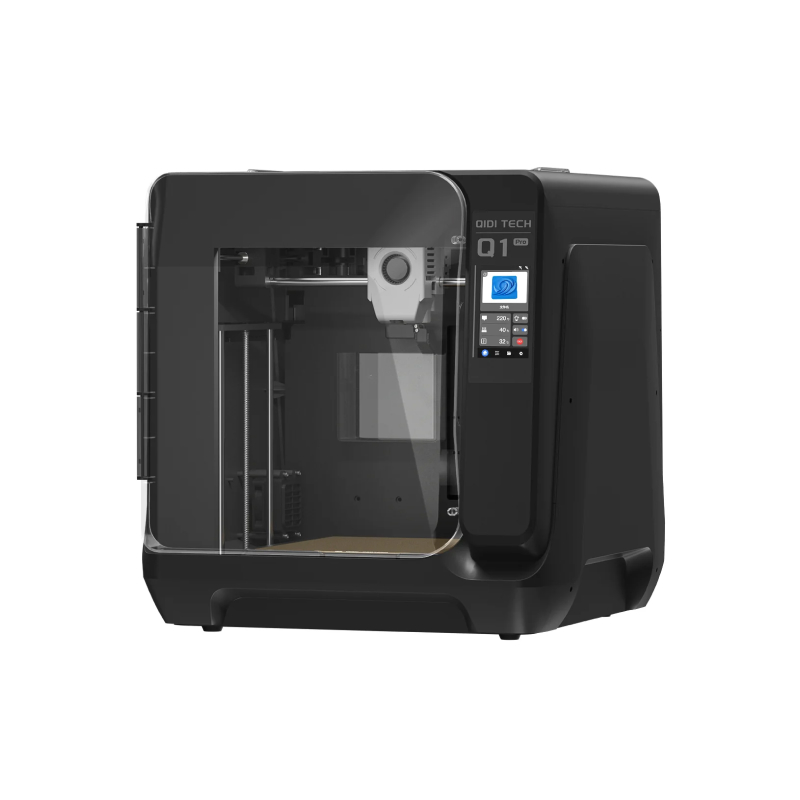
QIDI Q1 Pro
Best for: the most affordable way into a heated chamber, which is what separates a CF printer that only manages CF-PLA from one that can run carbon-fiber nylon properly. We reviewed the Q1 Pro and rate it as the best-value chamber machine on the market: a 60C active chamber, 350C all-metal dual-gear direct extruder, 120C bed, and Klipper firmware, all on a CoreXY frame.
Price: ~$449 (approximate; varies by bundle, sale period and region, click through for current pricing)
- Build volume 245 x 245 x 245mm; up to 600mm/s
- 60C heated chamber; 350C hotend; 120C bed
- All-metal dual-gear direct extruder; Klipper firmware
Best all-round and consumer flagship
If carbon fiber is part of a wider hobby rather than the whole point, these two Bambu Lab machines are the ones to beat. They pair reliable hardware with the slickest software in consumer 3D printing, and both ship with a hardened nozzle so CF filament is a load-and-go affair.
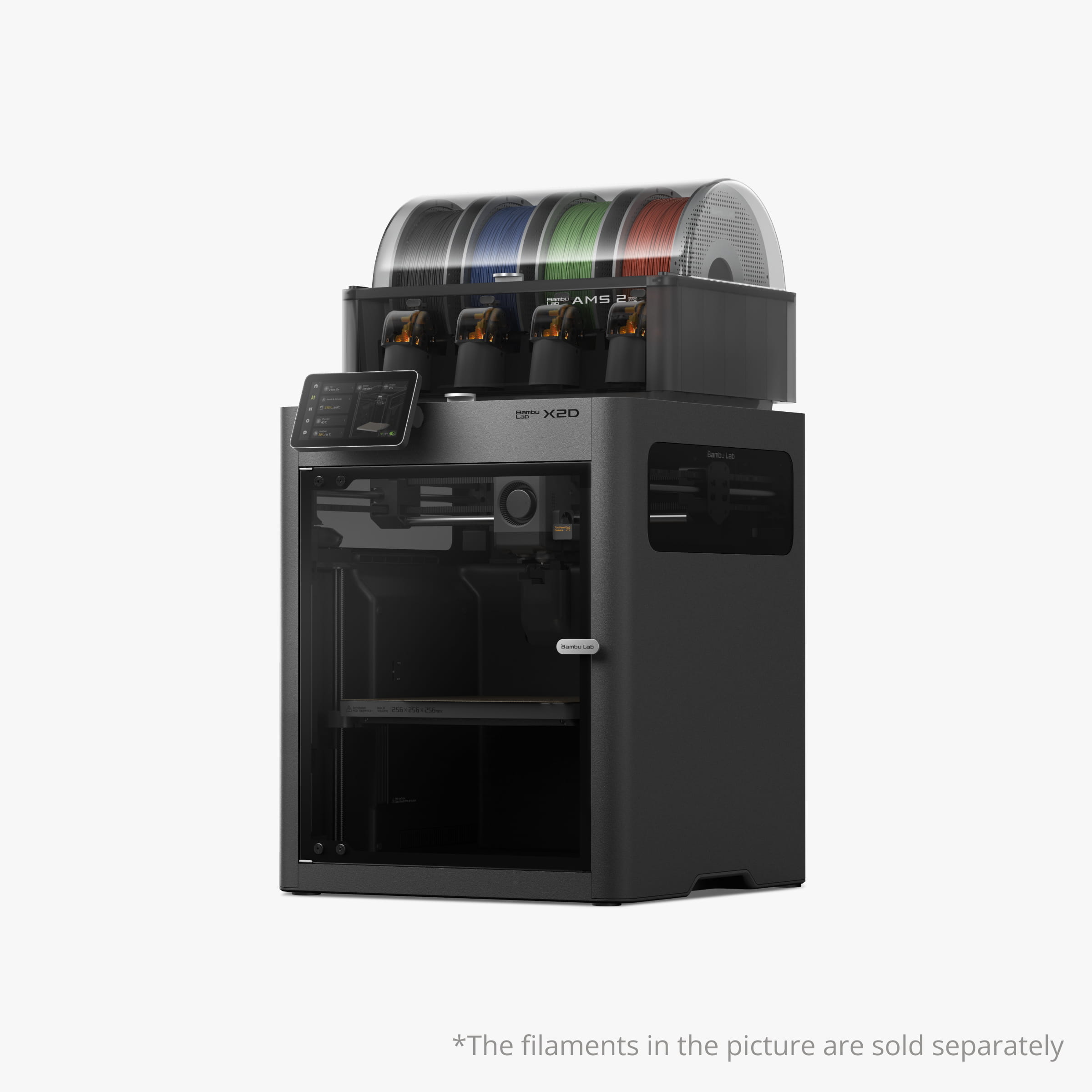
Bambu Lab X2D
Best for: the new default recommendation for most people, and the direct successor to the discontinued X1 Carbon (the X1 series went end-of-life in March 2026). The X2D adds what the X1C lacked: a 65C active heated chamber and dual hardened-steel nozzles, so it runs carbon-fiber PETG and nylon reliably, not just decorative CF-PLA. Print carbon fiber on the left direct-drive nozzle (the right is a Bowden support nozzle), and the bundled AMS 2 Pro handles multi-material. At well under the old X1 Carbon price, it is the value all-rounder of 2026.
Price: ~$899 (Combo) (approximate; varies by bundle, sale period and region, click through for current pricing)
- Build volume 256 x 256 x 260mm; CoreXY, up to 1,000mm/s
- 300C nozzle; 65C active heated chamber; dual hardened-steel nozzles
- AMS 2 Pro multi-material; 3-stage HEPA filtration
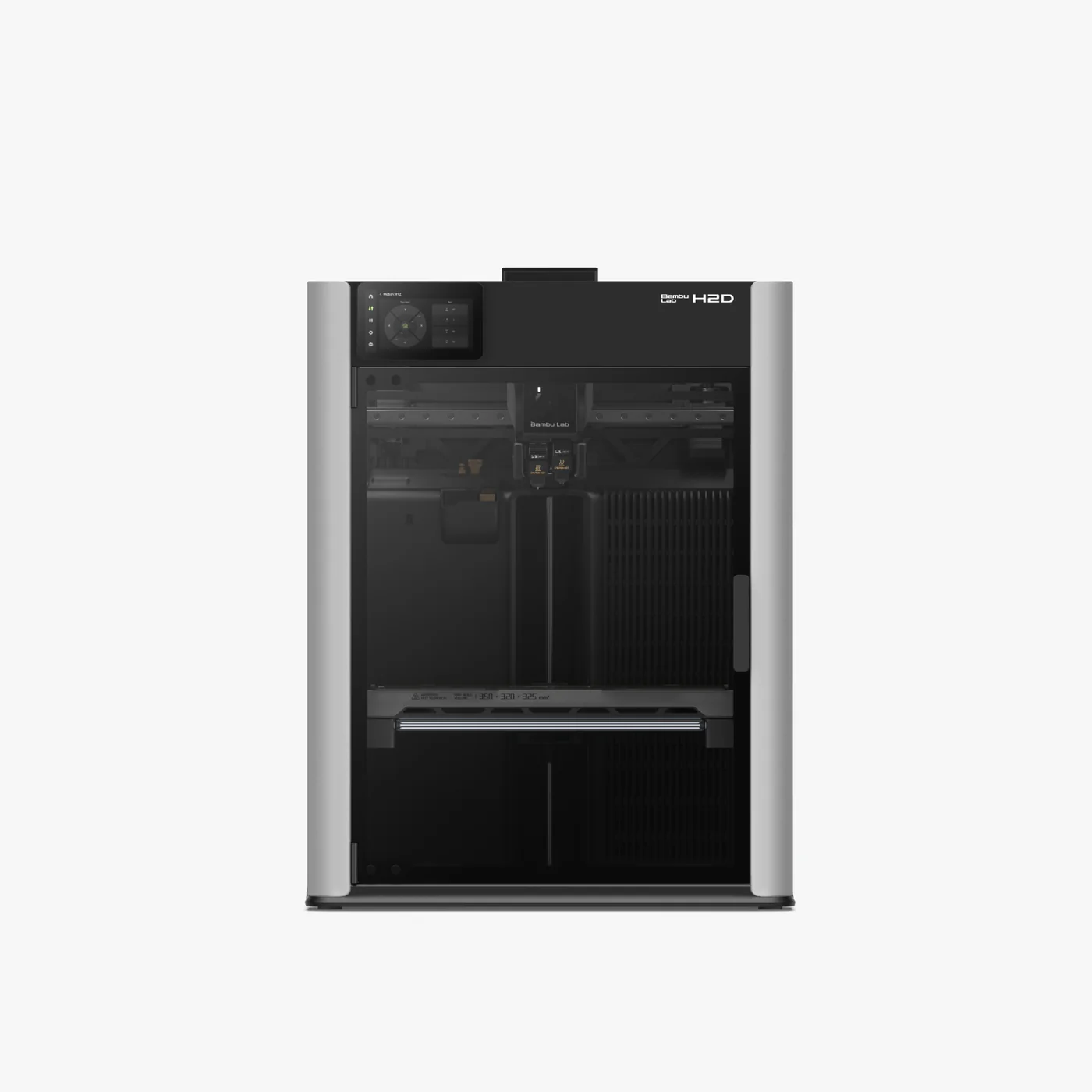
Bambu Lab H2D
Best for: the maker who wants Bambu’s ecosystem but needs to print serious engineering carbon fiber. The H2D steps beyond the X2D with true independent dual extrusion (IDEX) so both nozzles run at full speed, a 350C hot end, and a 65C heated chamber that keeps PA-CF and PC-CF from warping, all in the largest build volume Bambu has shipped. An AI nozzle camera watches extrusion in real time. It is the natural bridge between consumer convenience and prosumer capability.
Price: ~$1,899 (approximate; varies by bundle, sale period and region, click through for current pricing)
- Build volume 350 x 320 x 325mm; up to 1,000mm/s
- Dual hardened steel nozzles to 350C; 65C heated chamber
- Enclosed; AI nozzle camera; optional laser modules
Best prosumer and heated-chamber printers
This is the tier where carbon-fiber nylon, polycarbonate, and PPS-CF become reliable, because each of these machines manages chamber heat and filtration rather than just enclosing the build. They suit functional engineering parts more than quick hobby prints.
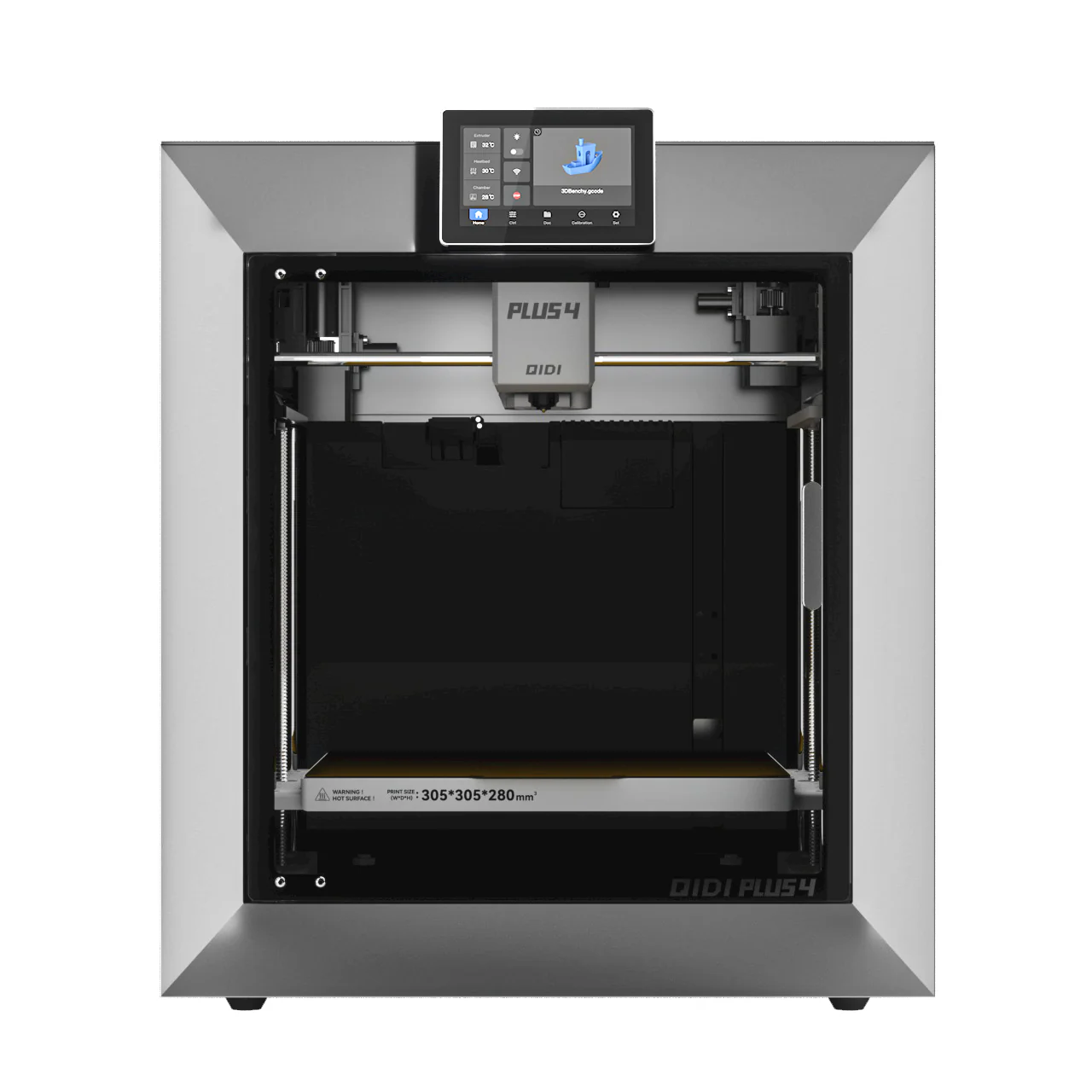
QIDI Plus4
Best for: demanding carbon-fiber materials on a sane budget. The Plus4 runs a 65C actively heated chamber driven by a 400W system with a carbon filter, a 370C hot end, and a multi-metal nozzle with a hardened tip, which together make PPS-CF and PA-CF realistic rather than aspirational. A CoreXY frame keeps it quick despite the engineering focus. It is the cheapest machine here that we would trust with the toughest fiber-filled filaments.
Price: ~$849 (approximate; varies by bundle, sale period and region, click through for current pricing)
- Build volume 305 x 305 x 280mm; up to 600mm/s
- 65C active heated chamber; 370C hardened nozzle; 120C bed
- PPS-CF and PA-CF capable; activated-carbon filtration

Flashforge Adventurer 5M Pro
Best for: a tidy enclosed machine for a home or office where air quality matters. The 5M Pro ships with two quick-change nozzles, and the 0.6mm nozzle is the right choice for fiber-filled filament because the wider bore clears chopped fibers with less risk of clogging. Internal and external dual air filtration makes it pleasant to run indoors, and setup takes about ten minutes. It is enclosed rather than chamber-heated, so it sits below the Plus4 for the most warp-prone materials.
Price: ~$599 (approximate; varies by bundle, sale period and region, click through for current pricing)
- Build volume 220 x 220 x 220mm; up to 600mm/s
- Two quick-change nozzles (0.6mm suits CF); auto leveling
- Internal and external dual air filtration; enclosed
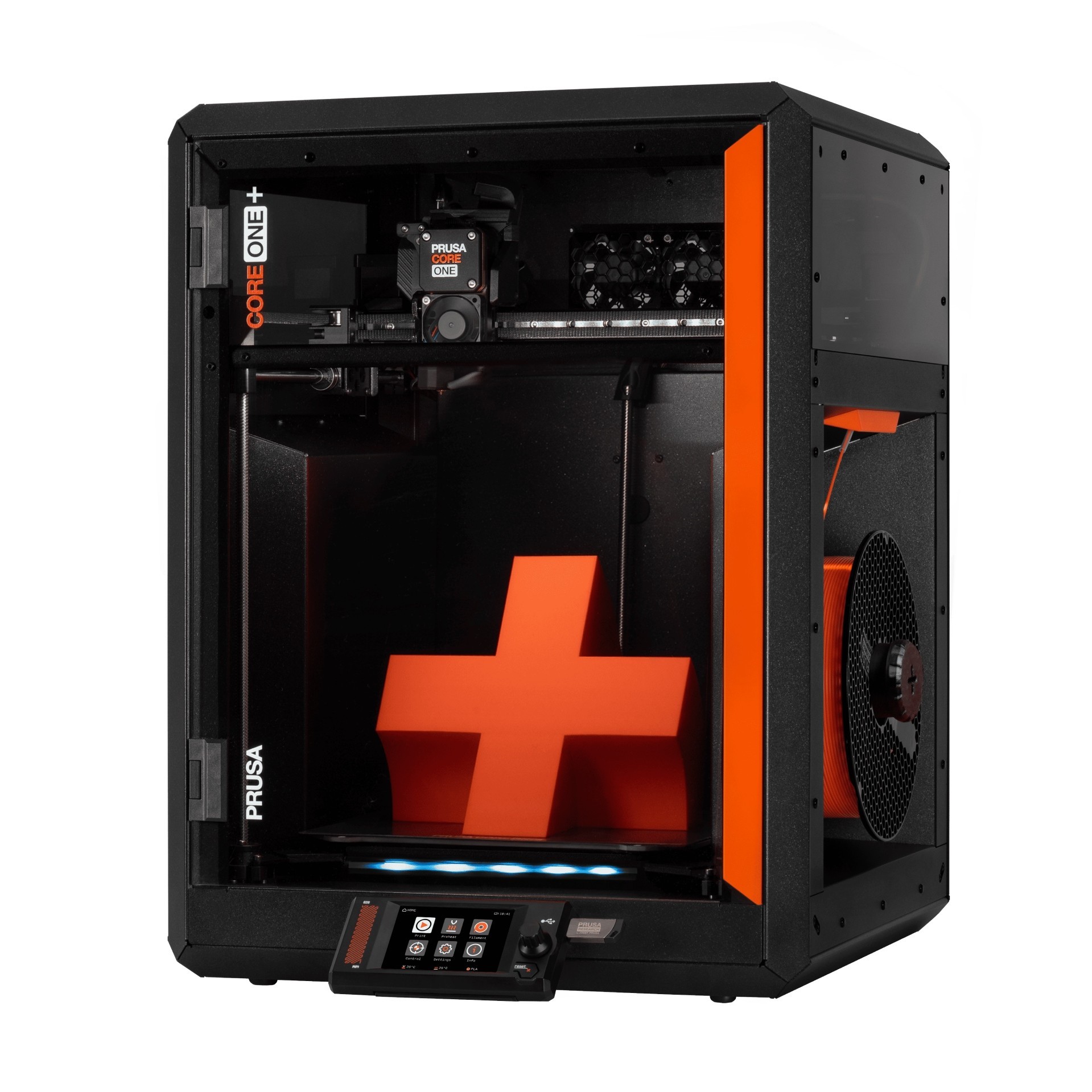
Prusa CORE One+
Best for: buyers who value support, documentation, and long-term parts availability as much as raw specs. The CORE One+ is Prusa’s enclosed CoreXY, and the 2026 refresh ships it abrasive-ready: a CHT high-flow nozzle, a hardened nozzle for carbon fiber, and auto-venting, with the reliability and open-source ethos the brand is known for. The enclosure holds heat well for CF-PETG and CF-nylon, an optional HT hotend takes it to 400C for high-temp grades, and Prusa’s slicer and community support are the best in the business. Available assembled or as a lower-cost kit.
Price: ~$1,199 assembled (approximate; kit is lower; varies by region, click through for current pricing)
- Build volume 250 x 220 x 270mm; enclosed CoreXY with auto-venting
- Hardened CHT high-flow nozzle; optional 400C HT hotend
- Best-in-class slicer, documentation, and support
Best professional desktop for carbon fiber
When carbon fiber is a daily production material rather than an occasional one, a purpose-built professional machine pays for itself in reliability and repeatability.
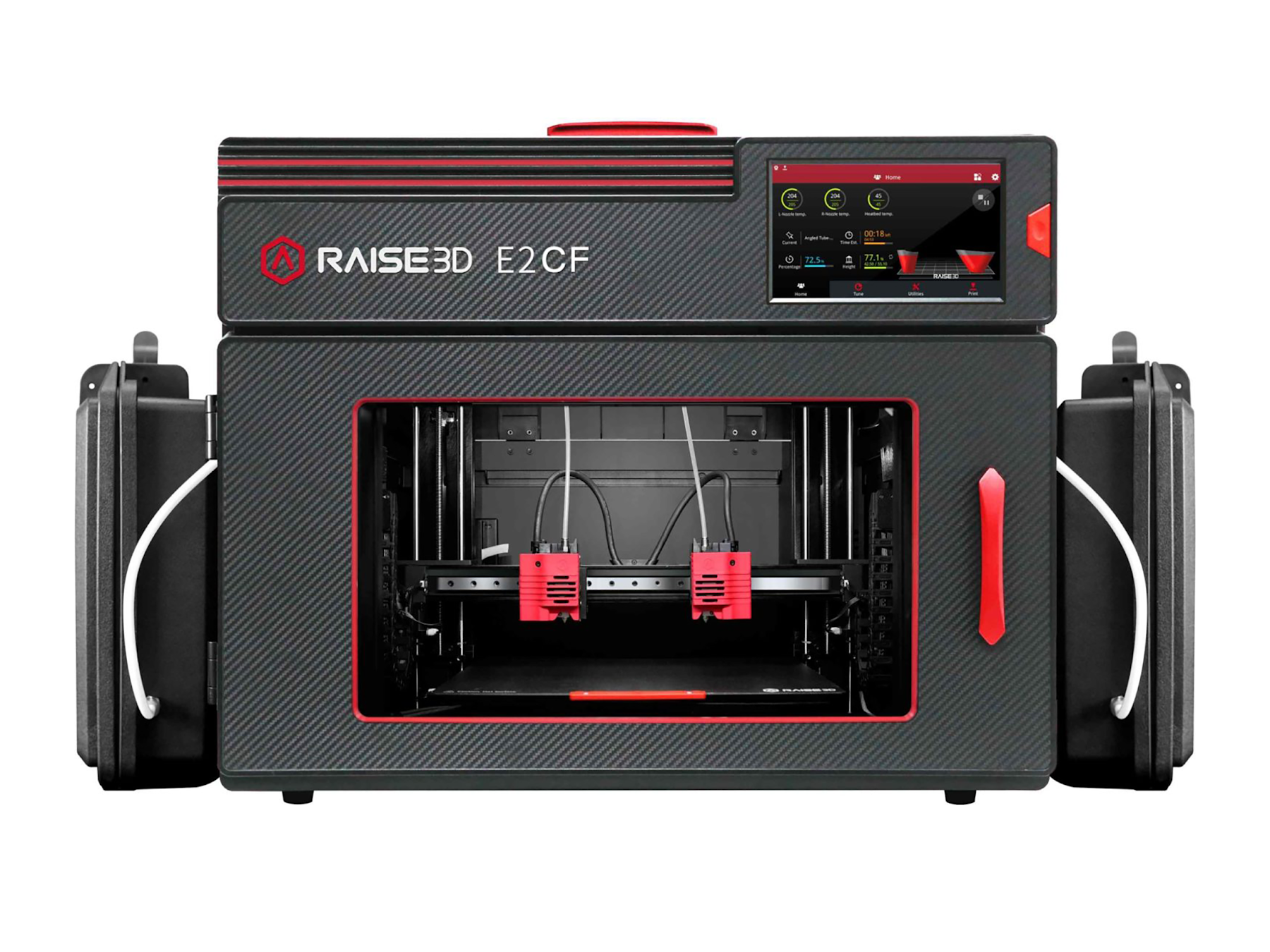
Raise3D E2CF
Best for: a shop that prints fiber-reinforced parts all day. The E2CF was engineered specifically for carbon fiber: a wear-resistant hot end and feed path, a dedicated dry-filament system, and IDEX independent dual extruders that let you print two parts at once or lay down soluble support. It handles fiber-reinforced nylon, PET, PPS, PC, and more, with the build consistency a professional workflow needs. Priced as a tool, not a toy.
Price: ~$3,999 (approximate; often discounted; varies by region, click through for current pricing)
- IDEX independent dual extruders; enclosed
- Optimised feed path and dry system for CF feedstock
- Fiber-reinforced Nylon, PET, PPS, PC and more
Continuous-fiber (structural) printers
These machines are a different category, explained in full below. Instead of chopped fibers mixed into the plastic, they lay down a continuous strand of carbon fiber inside the part, producing pieces strong enough to replace machined aluminum brackets and tooling. They are priced for industry, and the sticker price is only part of it: Markforged runs a closed ecosystem of proprietary materials and software, so the ongoing cost of spools and subscription matters as much as the machine. They are listed here so the page is complete for anyone who needs true structural strength.
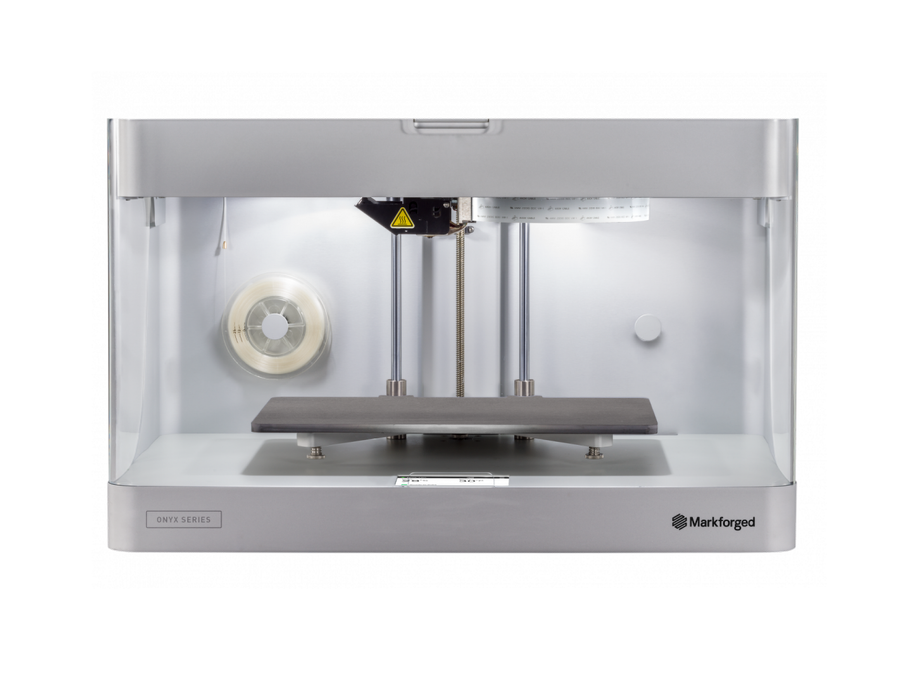
Markforged Onyx Pro
Best for: the first realistic step into continuous-fiber reinforcement. The Onyx Pro prints Markforged’s Onyx, a micro-carbon-fiber-filled nylon that yields a near-flawless surface, and can reinforce parts with continuous fiberglass strand for a major strength boost over chopped fiber alone. It is a controlled, industrial system with managed materials and a precise hardened extrusion path, aimed at engineers who need dependable functional parts.
Price: from ~$9,600 (approximate; quote-based; click through for current pricing)
- Continuous Fiber Reinforcement (CFR) with fiberglass
- Prints Onyx (micro-CF nylon); industrial reliability
- Managed-material workflow for engineering parts
Markforged Mark Two
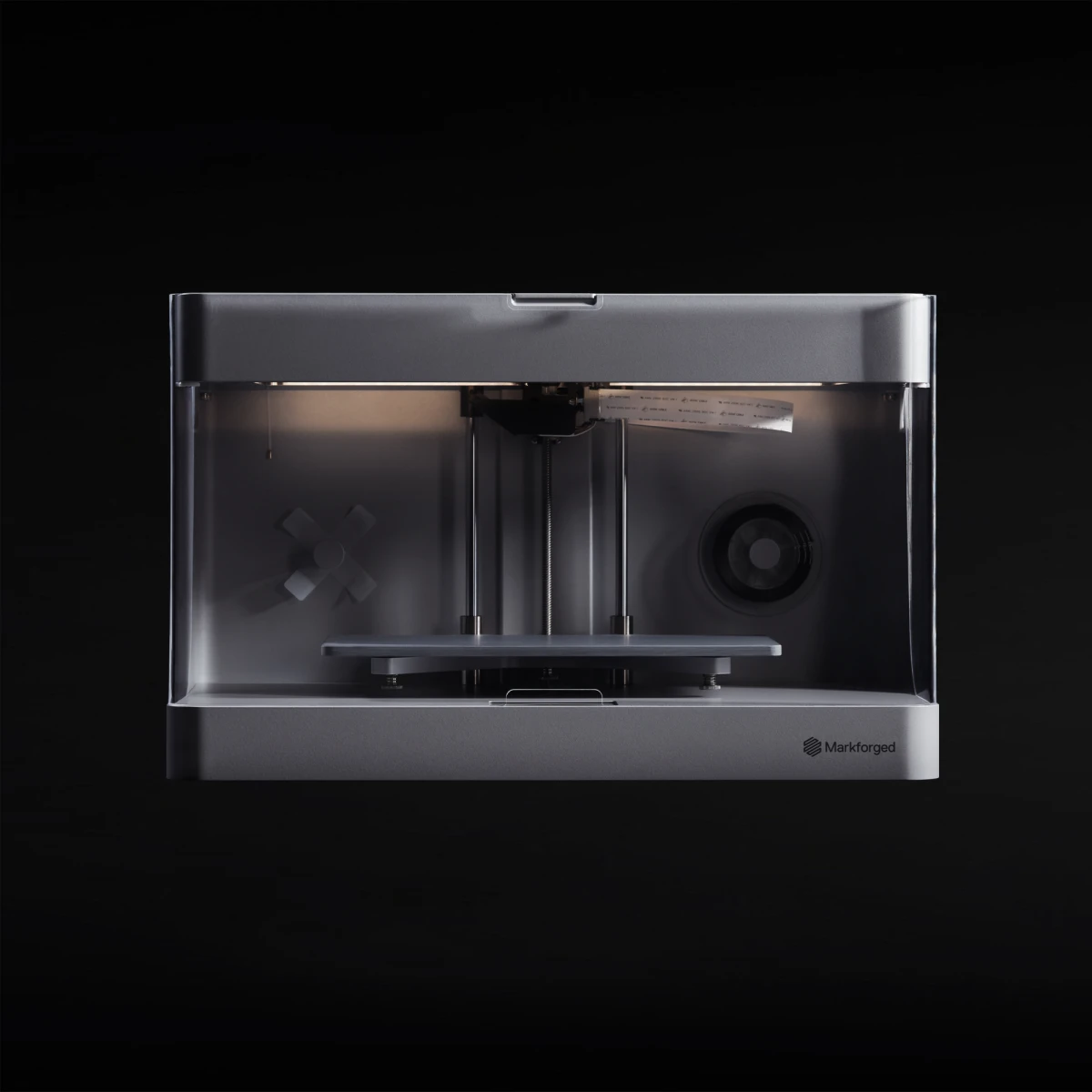
Best for: parts that replace metal. The Mark Two is Markforged’s flagship desktop composite printer, reinforcing Onyx with continuous Carbon Fiber, Fiberglass, HSHT Fiberglass, or Aramid (Kevlar) to reach aluminum-grade strength in the fiber direction (these parts are anisotropic, not isotropic like metal). A hardened extrusion system runs Onyx reliably over thousands of hours. This is the answer to the search for the strongest carbon fiber 3D printer, with a price to match its industrial intent.
Price: from ~$17,490 (approximate; quote-based; click through for current pricing)
- Continuous Carbon Fiber, Fiberglass, HSHT, or Kevlar
- Aluminum-grade strength; widest material range in the range
- Hardened extrusion for long-run Onyx reliability
Carbon fiber 3D printers compared
Every pick on the specs that decide carbon-fiber work. Scroll sideways on a phone. Click any printer name to jump to its detail card. Prices are approximate.
Reading the table: “Heated chamber” is what separates a printer that only manages CF-PLA and CF-PETG from one that can run carbon-fiber nylon, PC, and PPS reliably. The Markforged pair sit apart because they add continuous fiber rather than chopped, explained next. All figures are manufacturer specs; prices are approximate as of June 2026 and vary by bundle, sale period, and region.
Chopped carbon fiber vs continuous carbon fiber
The phrase “carbon fiber 3D printer” covers two different things, and knowing which you need saves a lot of money. Chopped (filled) carbon fiber is the everyday kind: short fibers blended into PLA, PETG, nylon, PC, or PPS. The fibers stiffen the plastic and improve dimensional stability, and any of the first eight printers above run it. The parts are stiffer than plain plastic, but the fibers are not continuous, so the strength gain is moderate, not structural.
Continuous carbon fiber is what Markforged machines add: a single unbroken strand of carbon (or fiberglass or Kevlar) laid inside the part like rebar in concrete. That produces parts strong enough to stand in for machined aluminum in the direction the fibers run, though the parts are anisotropic (strong along the fiber, weaker between the layers) rather than isotropic like metal. It is also why these systems cost as much as a car. For brackets, jigs, drone frames, and end-use load-bearing parts, continuous fiber is in a different league. For prototypes, housings, tools, and most functional prints, chopped fiber on a sub-$2,000 machine is the sensible and far cheaper choice.
Carbon fiber filaments, briefly
The printer is only half the decision; the carbon-fiber filament you feed it sets what your parts can actually do. The common grades, in rough order of demand on the machine:
- CF-PLA is the easy entry: stiffer and better-looking than plain PLA, with a matte finish, and it prints on any machine here. Decorative and light-duty.
- CF-PETG adds toughness and some heat and chemical resistance, still without needing a heated chamber. A great everyday functional choice.
- PA-CF (carbon-fiber nylon) is where real engineering parts begin: strong, tough, heat-resistant, and the reason to want a heated chamber and a good dryer. Warps without one.
- PC-CF (carbon-fiber polycarbonate) raises heat resistance and stiffness further, and is firmly heated-chamber territory.
- PPS-CF is the high end: chemical and heat resistance approaching engineering-grade, needing the hottest nozzle and a stable chamber (the Plus4, H2D, or E2CF tier). It is also the most demanding material here, prone to warping and fiddly to dial in even on those machines.
All of them are thirsty for moisture, so drying before printing with a good filament dryer is not optional. For the full rundown of grades, brands, and print settings, see our guide to the best composite filaments, and for the wider engineering materials these printers unlock, our engineering filaments guide.
Our pick for each carbon-fiber material
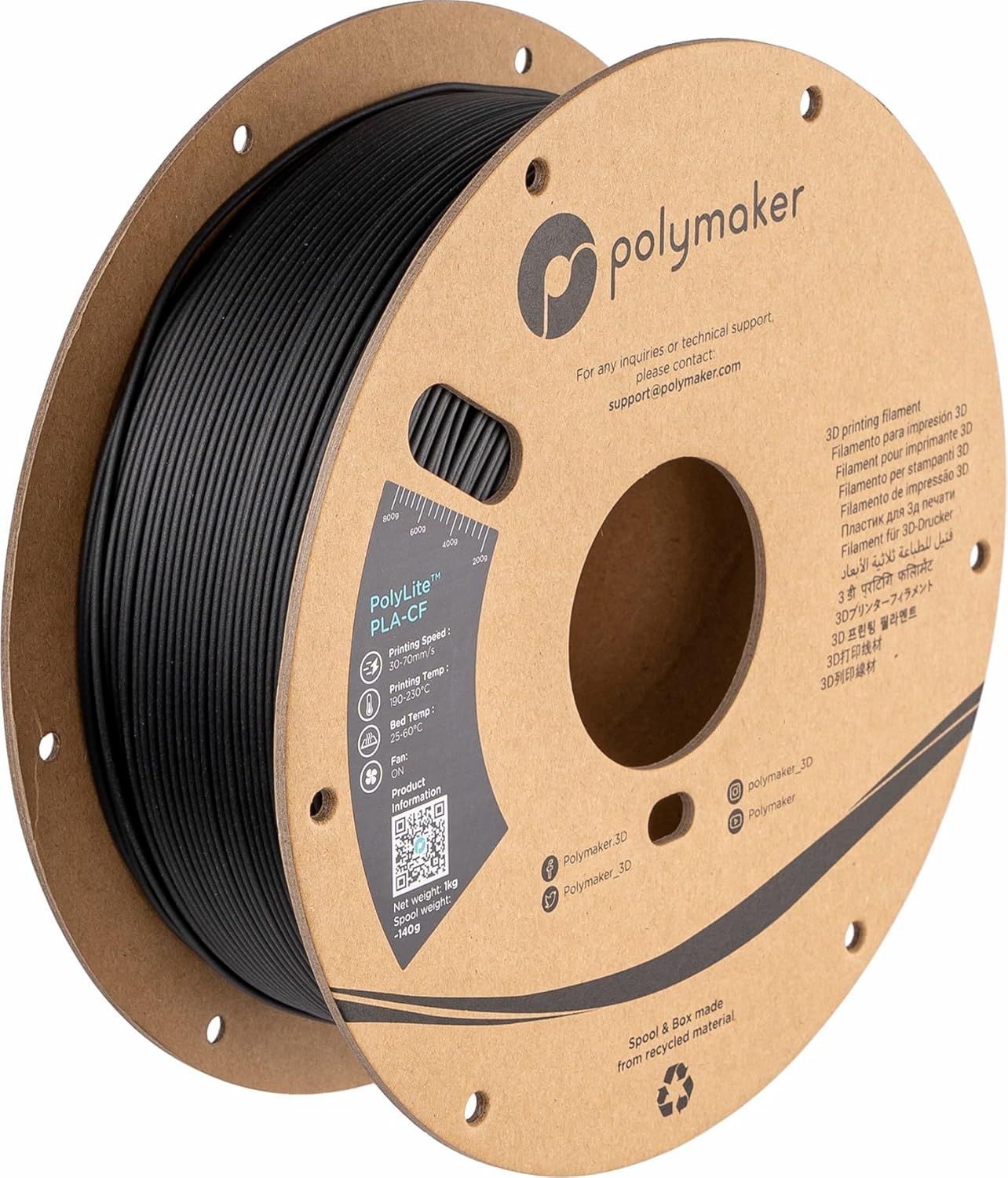
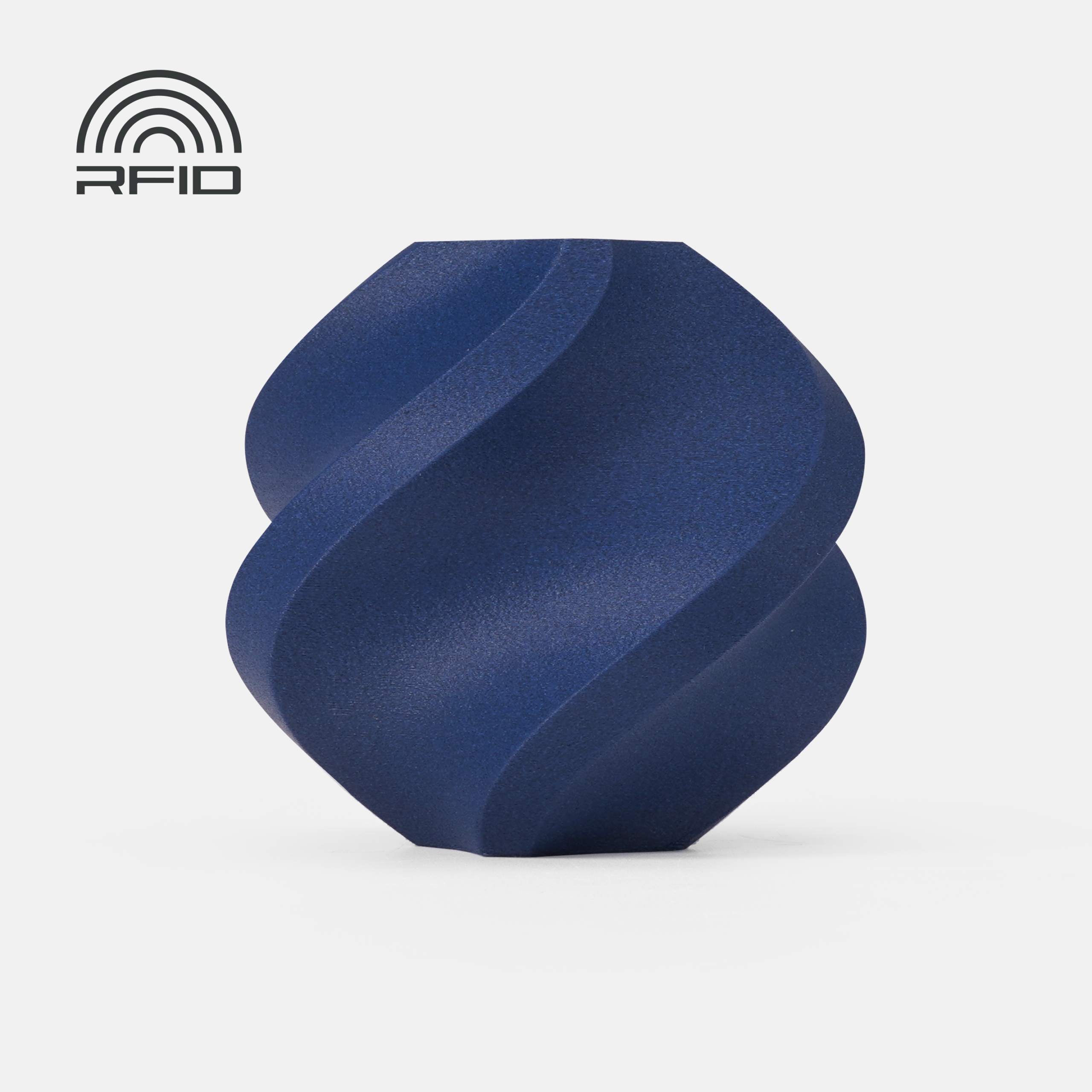
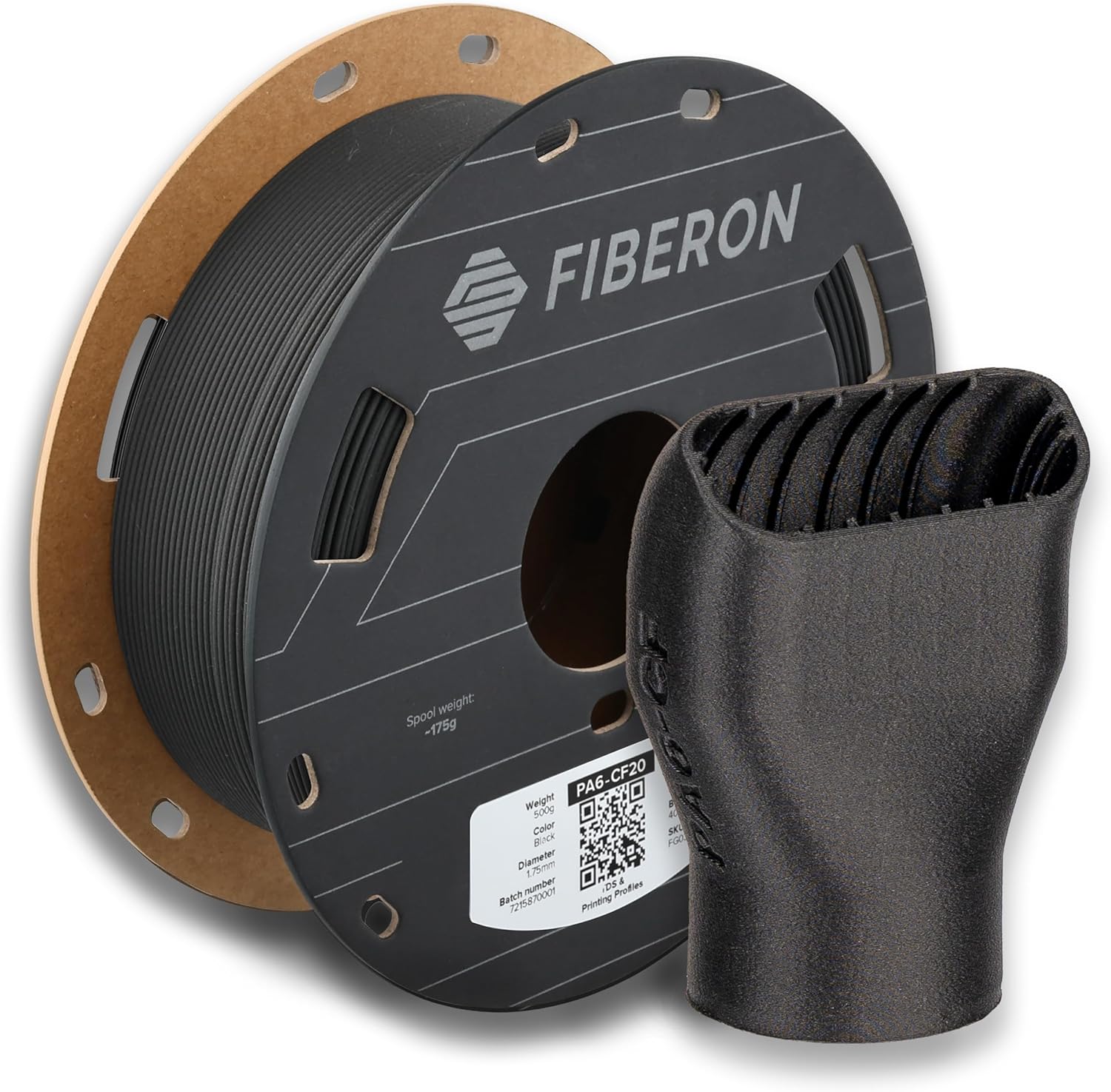
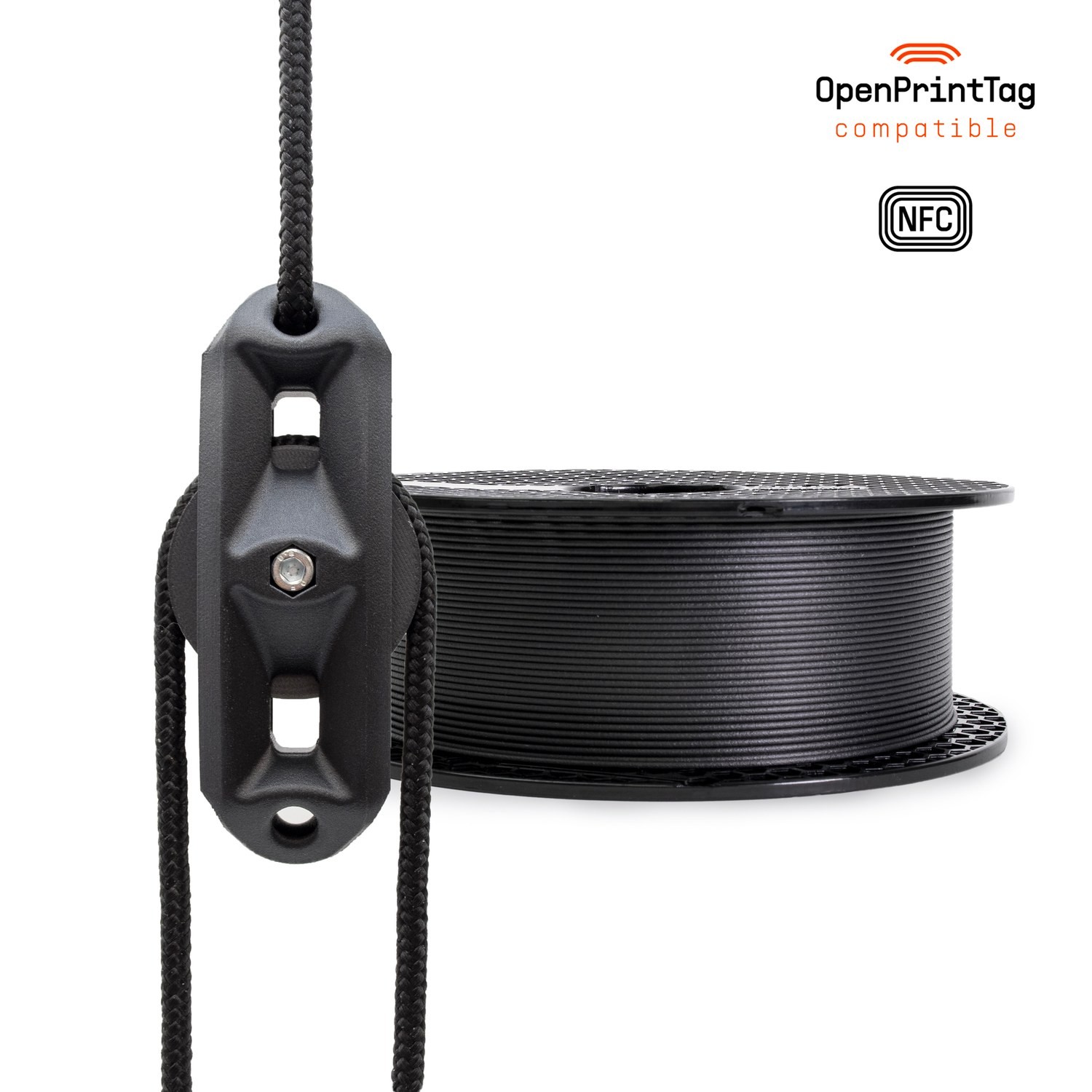
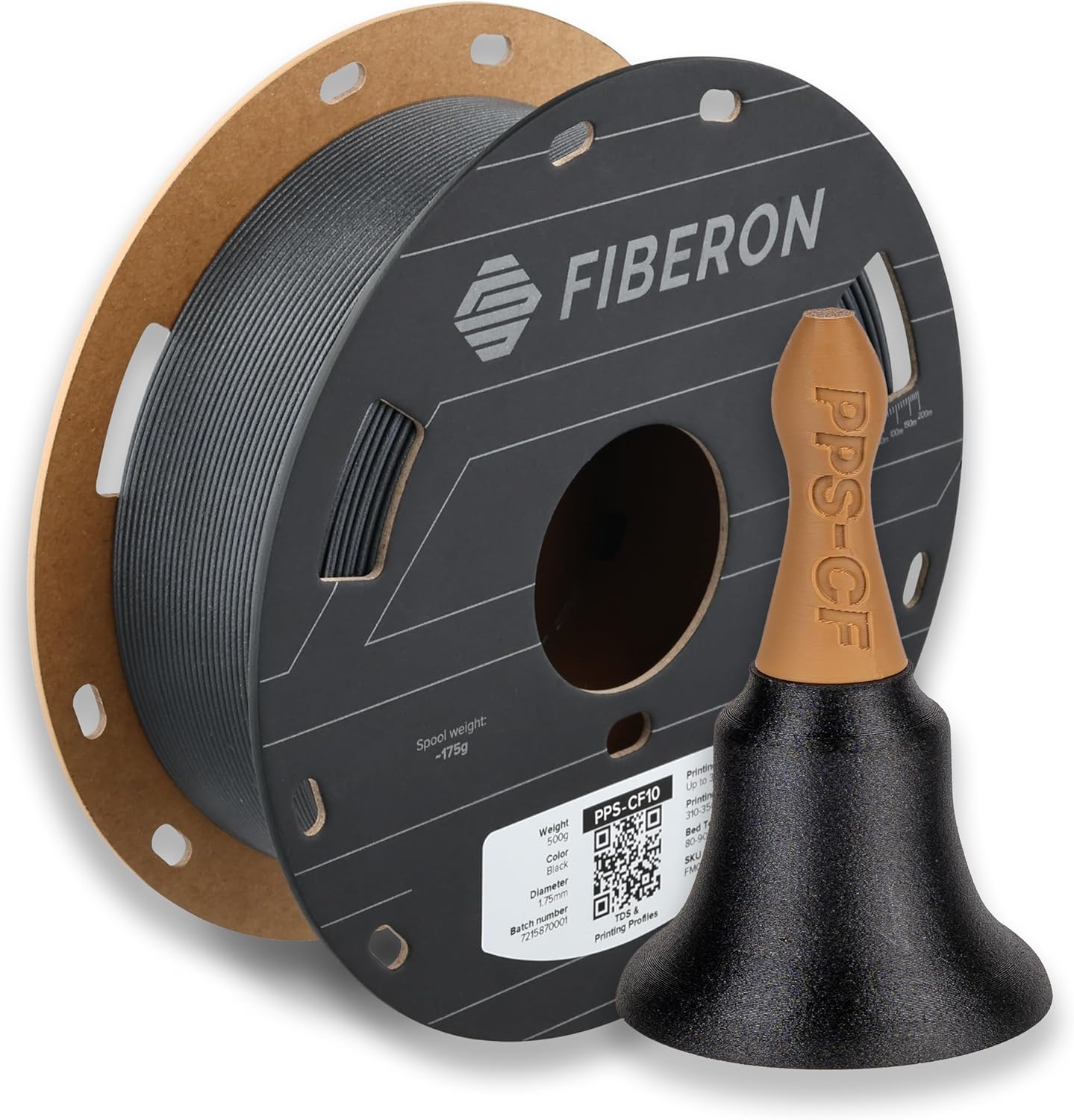
These are one solid pick per material to get you started. For the full breakdown of every carbon-fiber grade, the best brands at each price, and the exact print settings, read our complete guide to the best composite filaments for 3D printing →
Can you upgrade an existing printer for carbon fiber?
Often, yes. If you already own a capable machine, you may not need to buy a new one to start printing CF-PLA or CF-PETG. Four upgrades matter, in order of importance:
- A hardened nozzle. The non-negotiable one, since chopped fibers chew through a brass nozzle fast. Picks are in the next section.
- Hardened extruder gears. Abrasive filament wears soft drive gears too; hardened-steel gears keep the grip consistent over the life of the printer.
- An enclosure. Only needed for the warp-prone engineering grades (PA-CF, PC-CF, PPS-CF), but essential there. See our best 3D printer enclosures.
- Dry storage. Carbon-fiber filament drinks up moisture, so a filament dryer is part of the kit, not an optional extra.
Add a couple of slicer tweaks (a slightly higher nozzle temperature, a 0.6mm nozzle for easier flow, modest speeds) and an open-frame budget printer will handle CF-PLA and CF-PETG well. The honest limit: no bolt-on kit turns an open printer into a heated-chamber machine, so PA-CF, PC-CF, and PPS-CF still belong on the chamber-heated printers above. A full step-by-step setup and settings guide is coming to this cluster.
Best hardened nozzles for carbon fiber
The upgrade no carbon-fiber setup can skip. Most printers on this page already ship with a hardened nozzle; these are the best replacements when one wears out, or the part to add when you convert another machine. Check your hotend first, since many 2026 printers use a proprietary nozzle rather than a universal MK-style thread.
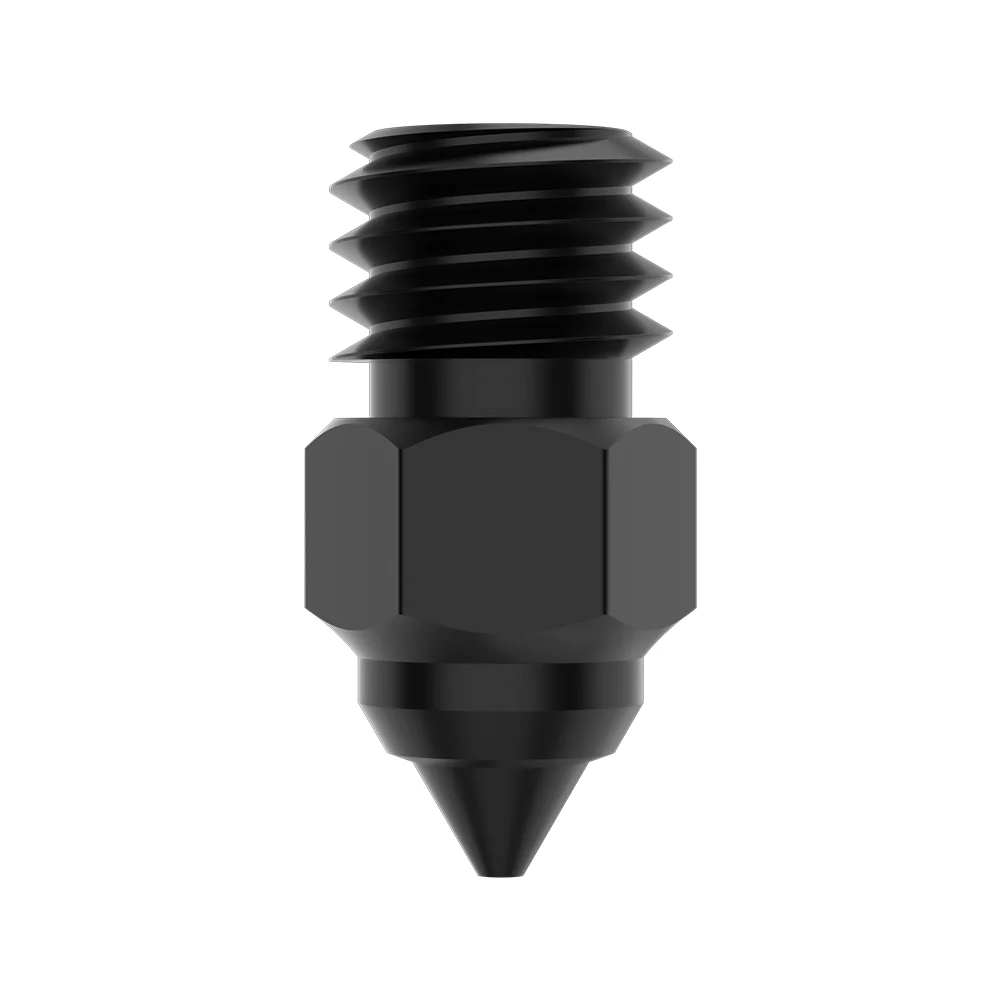
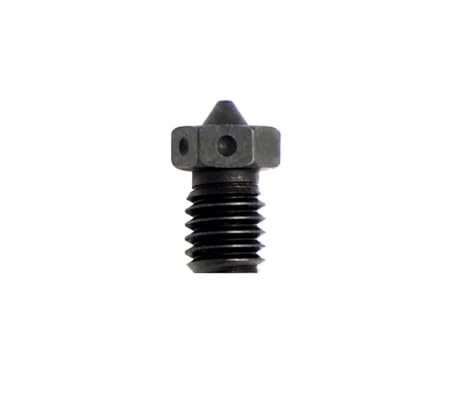
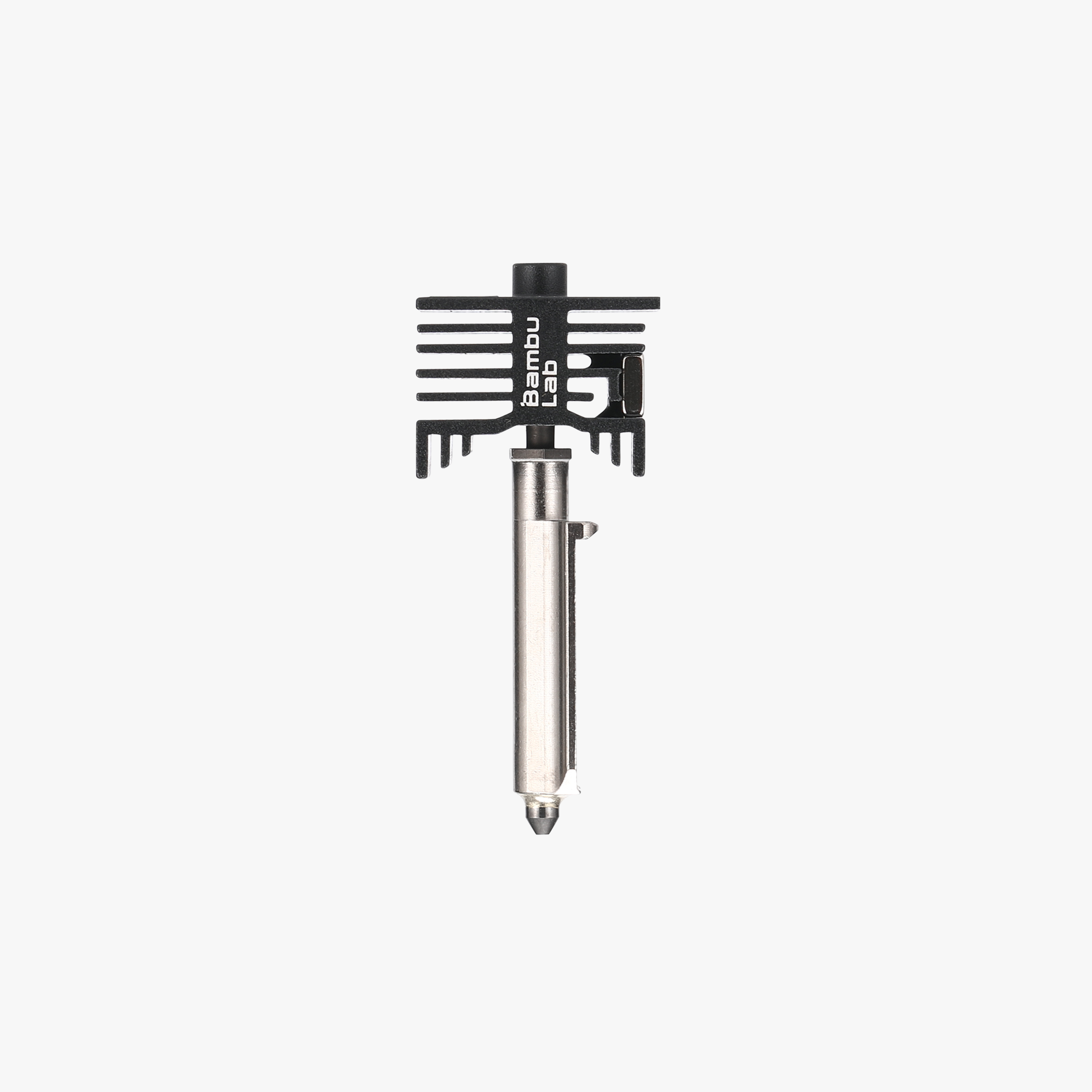
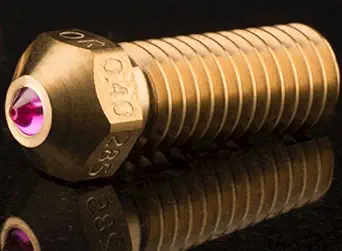
Even a hardened nozzle wears eventually with carbon fiber, just far more slowly than brass. Treat it as a consumable and keep a spare.
How to choose
Start with the filament you actually want to print, because it sets the floor. If you mostly want CF-PLA and CF-PETG for sharp-looking, stiffer parts, any machine here will do and the budget Creality K1C or QIDI Q1 Pro is plenty. The moment carbon-fiber nylon, PC, or PPS enters the picture, you need a heated chamber, which points you at the QIDI Plus4, Bambu H2D, or Raise3D E2CF.
Then weigh how hands-off you want to be. Bambu’s X2D and H2D give the smoothest software and multi-material printing; QIDI gives the most chamber heat per dollar; Prusa gives the best long-term support and documentation. If you are printing CF parts for a business every day, the Raise3D E2CF earns its price in reliability and dual-extruder throughput.
Finally, be honest about whether you need structural strength. If parts must bear real loads and replace metal, only continuous fiber (Markforged) delivers that, and the cost reflects it. For everything else, chopped fiber on a good enclosed or chamber-heated machine is the right call. Whatever you choose, budget for a hardened nozzle’s wear over time, an enclosure or chamber to match your material, and a way to keep filament dry.
Two habits separate good carbon-fiber parts from disappointing ones. Design with the load in mind, because chopped fiber stiffens a part most along the direction it is laid down, so orient walls and layers to follow the force. And for the nylon and polycarbonate grades, anneal the finished part in a controlled oven cycle to reach the heat resistance and strength on the datasheet, which as-printed parts rarely hit on their own.
Where to go next
Choosing the filament to match your machine? Start with our best composite filaments and engineering filaments guides. Carbon-fiber filament soaks up moisture, so a filament dryer is essential, and an enclosure helps if your printer is not already enclosed. For the wider picture across every type of machine, see our best 3D printers of 2026.
Frequently asked questions
What makes a 3D printer good for carbon fiber filament?
Three things. A hardened nozzle (steel or tougher) that resists the abrasive chopped fibers, a direct-drive extruder with hardened gears to feed stiffer, more brittle filament reliably, and ideally an enclosure or heated chamber to stop fiber-filled engineering plastics warping. Every printer in this guide has the first two out of the box; they differ mainly in chamber heat, which decides how exotic a carbon-fiber material you can run.
Do I really need a hardened nozzle for carbon fiber?
Yes. The chopped fibers are abrasive and will wear out a standard brass nozzle within a spool or two, widening the bore and ruining print quality. A hardened steel nozzle is the minimum; tungsten carbide or ruby last even longer. All the printers here ship with a suitable nozzle, so you do not need to upgrade before printing.
Do I need an enclosure or a heated chamber for carbon fiber?
It depends on the material. CF-PLA and CF-PETG print fine on an enclosed (but unheated) machine. Carbon-fiber nylon (PA-CF), polycarbonate (PC-CF), and PPS-CF warp badly as they cool and really need an actively heated chamber, which is why the QIDI Plus4, Bambu H2D, and Raise3D E2CF suit those materials and the budget machines do not.
What is the difference between chopped and continuous carbon fiber printing?
Chopped (filled) carbon fiber blends short fibers into the plastic for stiffer, more dimensionally stable parts, and any consumer CF printer can run it. Continuous carbon fiber, used by Markforged machines, lays an unbroken strand inside the part like rebar, producing aluminum-grade strength for load-bearing parts, at a much higher cost. Most makers need chopped; only structural end-use parts justify continuous.
What is the best budget carbon fiber 3D printer?
The Creality K1C at around $459 is the cheapest CF-ready machine, built around a hardened nozzle and direct drive. If you want a heated chamber so you can also run carbon-fiber nylon properly, the QIDI Q1 Pro at around $449 is the best value step up.
Is carbon fiber filament stronger than regular PLA or PETG?
It is stiffer and more dimensionally stable, which is why it is popular for functional and good-looking parts. Stiffness is not the same as toughness, though: chopped CF can be more brittle than the unfilled plastic, so it resists bending but can be less forgiving of impact. For real structural strength you need continuous fiber.
Does carbon fiber filament need to be dried?
Yes, and more than most. Carbon-fiber filaments, especially the nylon-based ones, absorb moisture from the air quickly, which causes poor surface finish, weak layers, and stringing. Dry the spool before printing and keep it dry while you work; see our best filament dryers guide.
Can the Bambu Lab X2D print carbon fiber with the AMS?
Yes. The X2D, the successor to the discontinued X1 Carbon, ships with hardened-steel nozzles and a 65C heated chamber, so it prints CF-PETG and CF-nylon well, and the AMS 2 Pro can feed carbon-fiber filament alongside other materials. Print carbon fiber on the left direct-drive nozzle; the right Bowden nozzle is best kept for support material. For the most demanding PPS-CF, the larger Bambu H2D or the QIDI Plus4 are the step up.