
The University of Turku in Finland can now do multi-material metal 3D printing. It has fitted a recoater that places three different powders within a single layer.
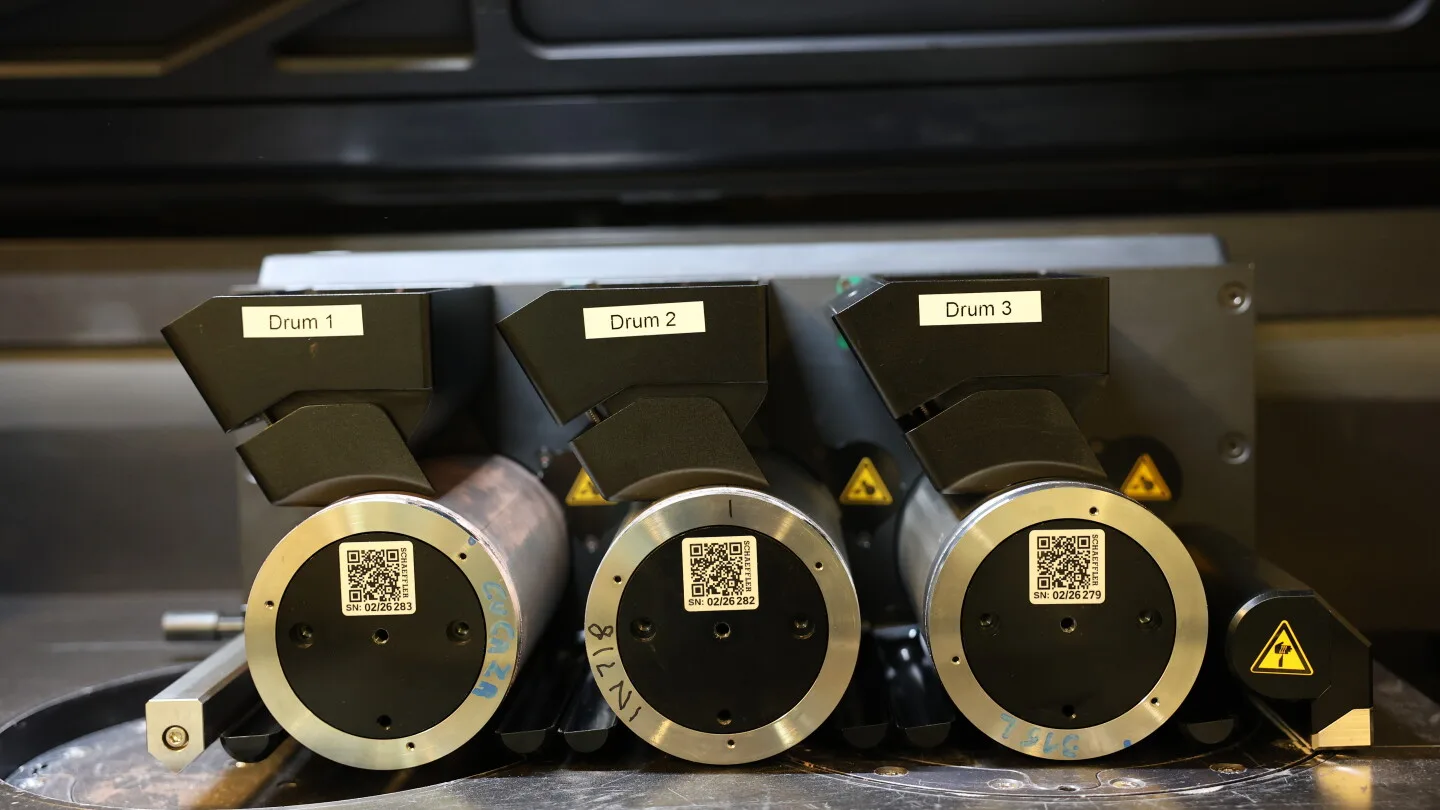
The setup lets researchers design the shape of a part and its material makeup together. That matters for components that need different properties in different places.
The new hardware is a Schaeffler Aerosint SPD2.1-B5 recoater. It sits inside the university’s existing Aconity MIDI+ laser powder bed fusion system. Instead of spreading one powder across the build area, it feeds from three separate powder-delivery drums. Each drum can deposit its powder in selected regions of the same layer before the laser melts it.
Repeated layer after layer, this gives the team a route to parts with different metals in different locations. Material placement becomes a design choice alongside geometry. Researchers can study how a given arrangement helps a part do its job, and how it affects whether the part can be built at all.
“Multi-material manufacturing allows us to ask which material is needed in each region of a component and how those materials can work together. This infrastructure gives us a platform to investigate those questions, develop our expertise, and explore new applications with industrial partners,” said Ashish Ganvir, an associate professor at the university and principal investigator of AM4Plasma.
AM4Plasma is a research project developing next-generation plasma generator hardware, and it is the system’s first application. A component may need to resist heat or wear in one region while moving heat or carrying loads in another. The team describes a plasma-facing part with one zone built for intense thermal exposure and another that carries heat toward cooling channels. Parts like that could serve future fusion energy and aerospace propulsion platforms.
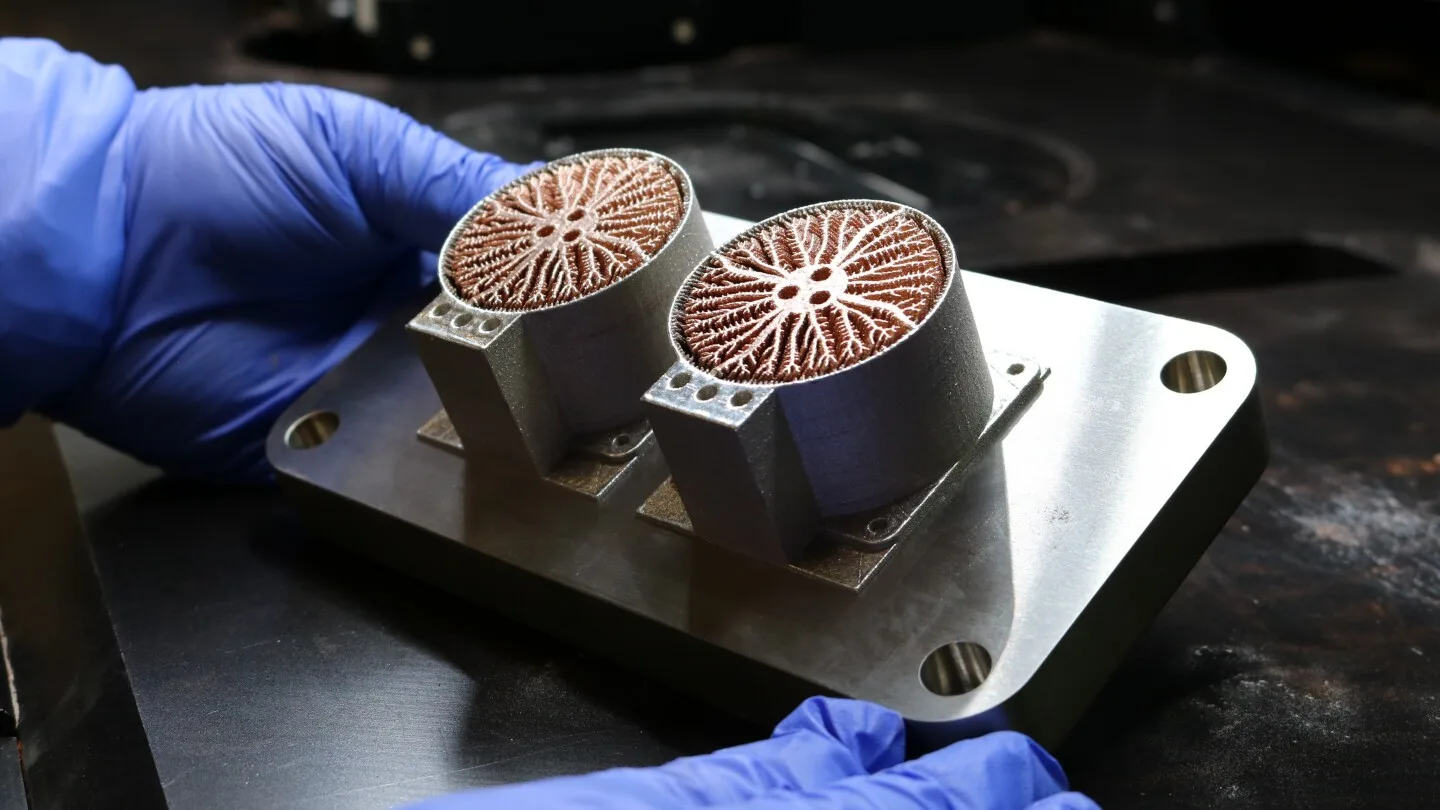
Placing the powders is only the first step. A reliable multi-material part also needs suitable material pairings, the right processing conditions and sound interfaces between metals. Working those relationships out will be central to the research.
The platform supports studies of how each powder reacts to the laser, how it melts and solidifies, and how neighbouring materials bond. The team will also look at cracking and other defects. Another focus is how processing conditions shape local properties in the finished part.
Ganvir sees value well beyond one project. “The infrastructure’s longer-term significance extends beyond this application. It provides a platform for future studies of material combinations, manufacturing processes and multifunctional component design.”
The system also opens room for researcher training and for collaboration with industrial partners exploring multi-material manufacturing.
The recoater was funded through AM4Plasma, a EUREKA Network project coordinated by the University of Turku. In Finland, the project is supported by Business Finland’s Co-Innovation programme.
Source: University of Turku