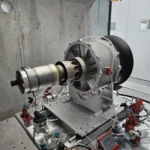
The U.S. Army Research Laboratory (ARL) has flown a midsized drone on what it says is the first 3D printed heavy-fuel engine, an air-cooled rotary design.
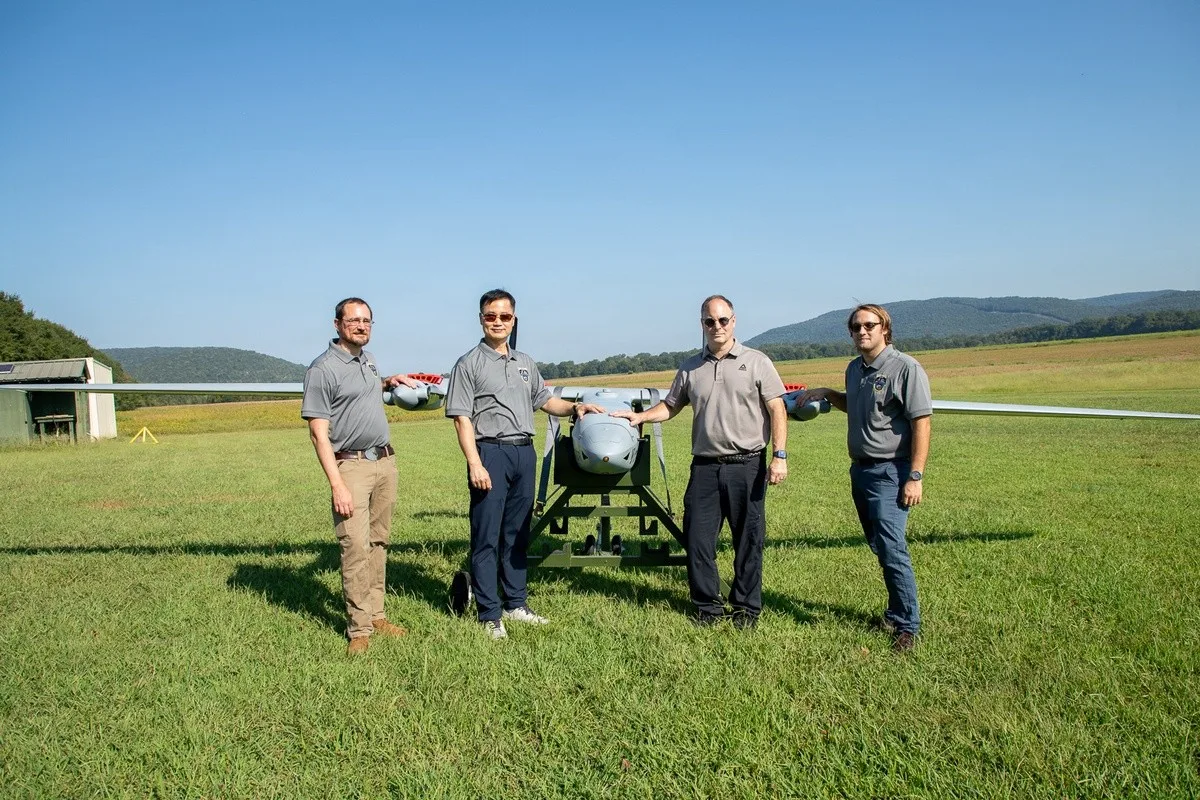
The lab calls it the first 3D printed heavy-fuel engine. The demonstration flight took place near Huntsville, Alabama. ARL is part of the Army Combat Capabilities Development Command, known as DEVCOM. Its engineers designed the propulsion system within the Versatile Tactical Power and Propulsion essential research program. That program set out to help drones fly longer and faster, reach higher altitudes, carry heavier payloads and cope with extreme environments.
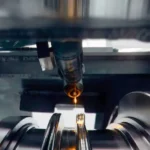
Burning heavy fuel efficiently in a rotary engine is a hard problem. ARL researchers tackled it with a clean-sheet design and computational fluid dynamics modeling. The work improved how the fuel atomizes and vaporizes. It also reduced leaks of compressed air and fuel vapor.
“The use of advanced manufacturing, including 3D metal printing, allowed us to rapidly redesign engine components based on lessons learned through experimentation,” said program manager Dr. Chol-Bum “Mike” Kweon. “It enabled us to design an air-cooled engine that reduces propulsion-system size and eliminates the need for liquid coolant.”
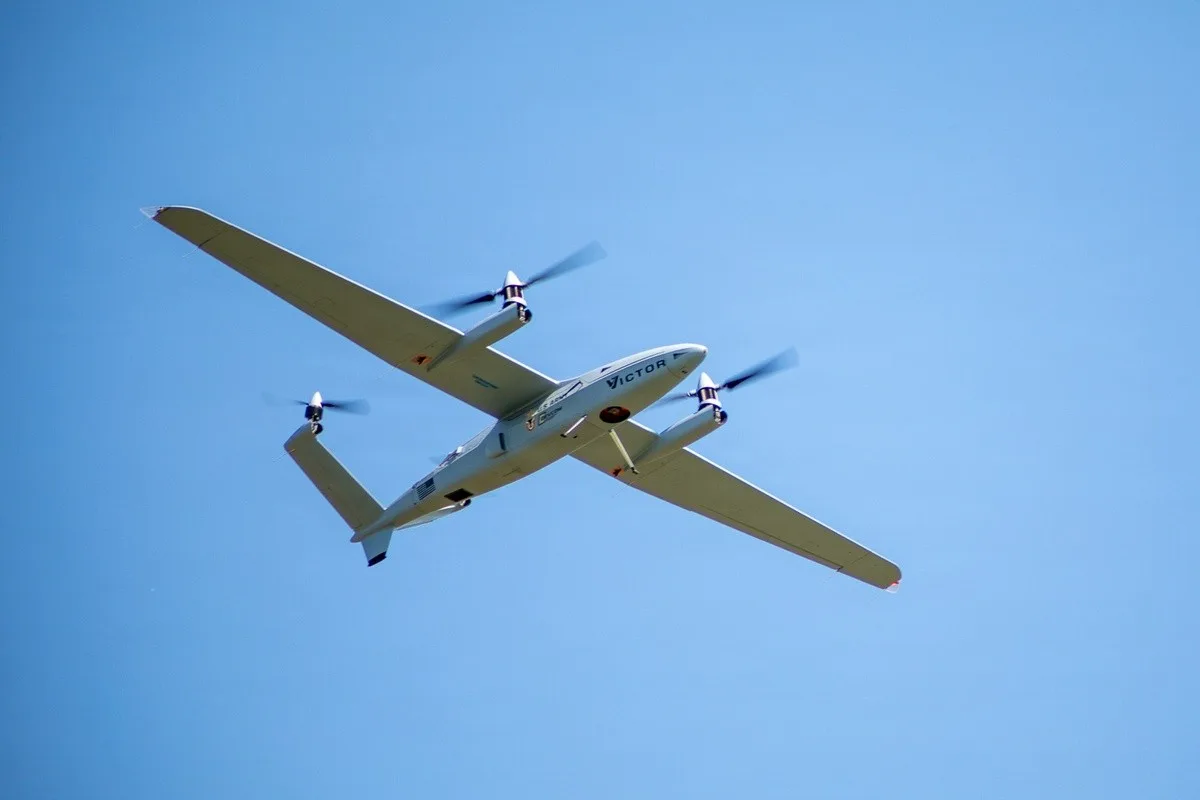
The engine is paired with a new 400-volt motor-generator. Together they form a series-hybrid system designed for vertical takeoff and landing in contested environments. To get it airborne, ARL worked with industry partners including Griffon Aerospace on an aircraft built around the powertrain. The result is VICTOR, short for Versatile Intelligence Controlled Tactical Operational Reconnaissance and Attack. It is a midsized Group 3 unmanned aircraft.
The program has already passed its findings to industry partners for maturation. Kweon said that work could let midsized drones “operate beyond line of sight, extending the reach of ground commanders and reducing risk to Soldiers.”
The program drew on more than 30 universities, more than 13 federal laboratories and more than 20 companies. That collaboration produced hundreds of journal papers in fields from combustion chemistry to batteries and hybrid electric technology. It also yielded tens of patents and patent applications, along with technical data packages and reliability lessons for future drone propulsion.
Next, the lessons from VICTOR will feed into PULSAR. That name stands for Persistent Unmanned Aircraft System for Logistics, Strike, Autonomy, and Reconnaissance. It is a drone concept that handles several missions with a swarm of VICTOR aircraft. The Army will make VICTOR and PULSAR available to military partners for more experimentation. Industry partners will keep refining VICTOR for other uses.
Source: U.S. Army