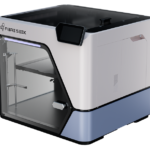

Atlas Building Composites, a spinout from MIT mechanical engineering research, is 3D printing structural parts such as floor, wall, and roof trusses from shredded single-use plastic fused with fiberglass.
Conventional homebuilding leans on timber, concrete, and other materials that would have to scale sharply to meet housing demand, while mixed-plastic recycling usually needs water and extra permitting. Atlas shreds bottles and other single-use plastic, melts them with fiberglass in a waterless process, and prints large composite parts on a robotic cell.
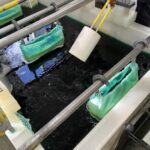
The parts are already in barns, sheds, decks, and docks. Most recently the company supplied recycled-composite trusses to the U.S. Army Corps of Engineers for a 40-foot bridge in a Massachusetts wetland. The span was installed in less than a day.

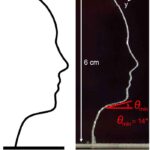
The work grew out of MIT HAUS, a mechanical engineering effort A.J. Perez started in 2019 with professor David Hardt. In lab tests, Perez has shown large composite trusses can print in under 13 minutes and support more than 4,000 pounds. MIT cells have run at 60 to 80 pounds of parts per hour. Atlas is specifying factory systems in the 150 to 200 pound range, with each cell meant to print the structural framing for about one small home per day.
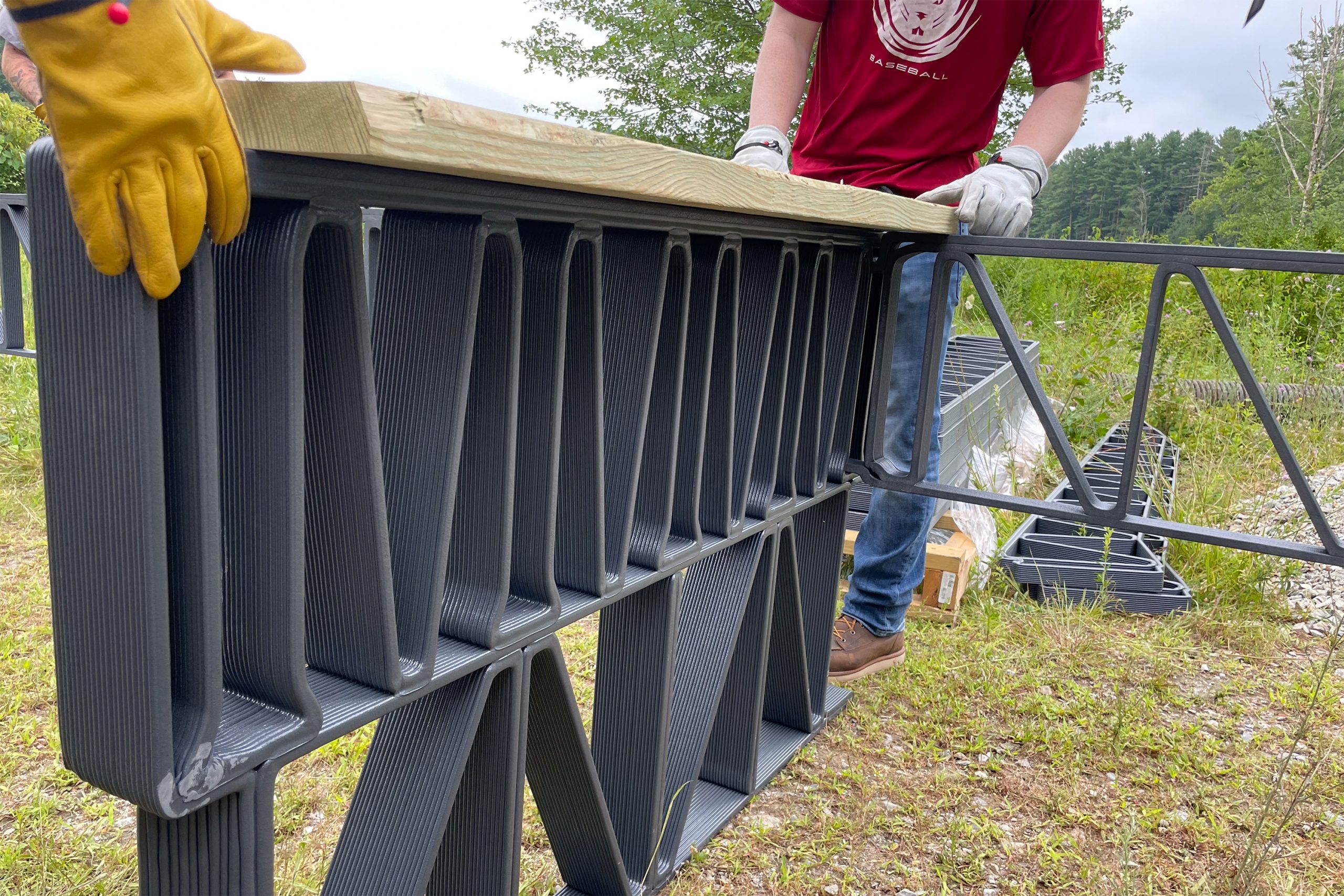
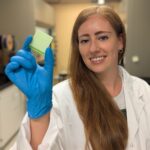
“Our mission is to convert waste plastic pollution into durable composites to build 1 billion homes,” said Perez, Atlas chair and co-founder and an MIT research scientist. “We’re turning bottles into buildings.”
Perez, who earned his PhD at MIT in 2023, co-founded the company with Matt Pouliot, a former Maine senator. They licensed the work through MIT’s Technology Licensing Office.

Pouliot said plastics last longer than wood where they meet ground or water, so the material stays in service instead of being ground up again.
“If you get a material into the building world and it does its job, it’s going to be used for a very long time and not need to be recycled again for a very long time,” said Pouliot.
Source: news.mit.edu