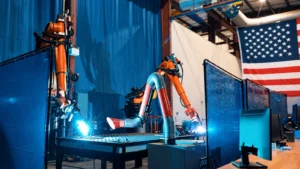

Boom Supersonic has bought three Lithoz 3D printers to make the ceramic casting cores that shape the cooling channels inside its turbine blades.
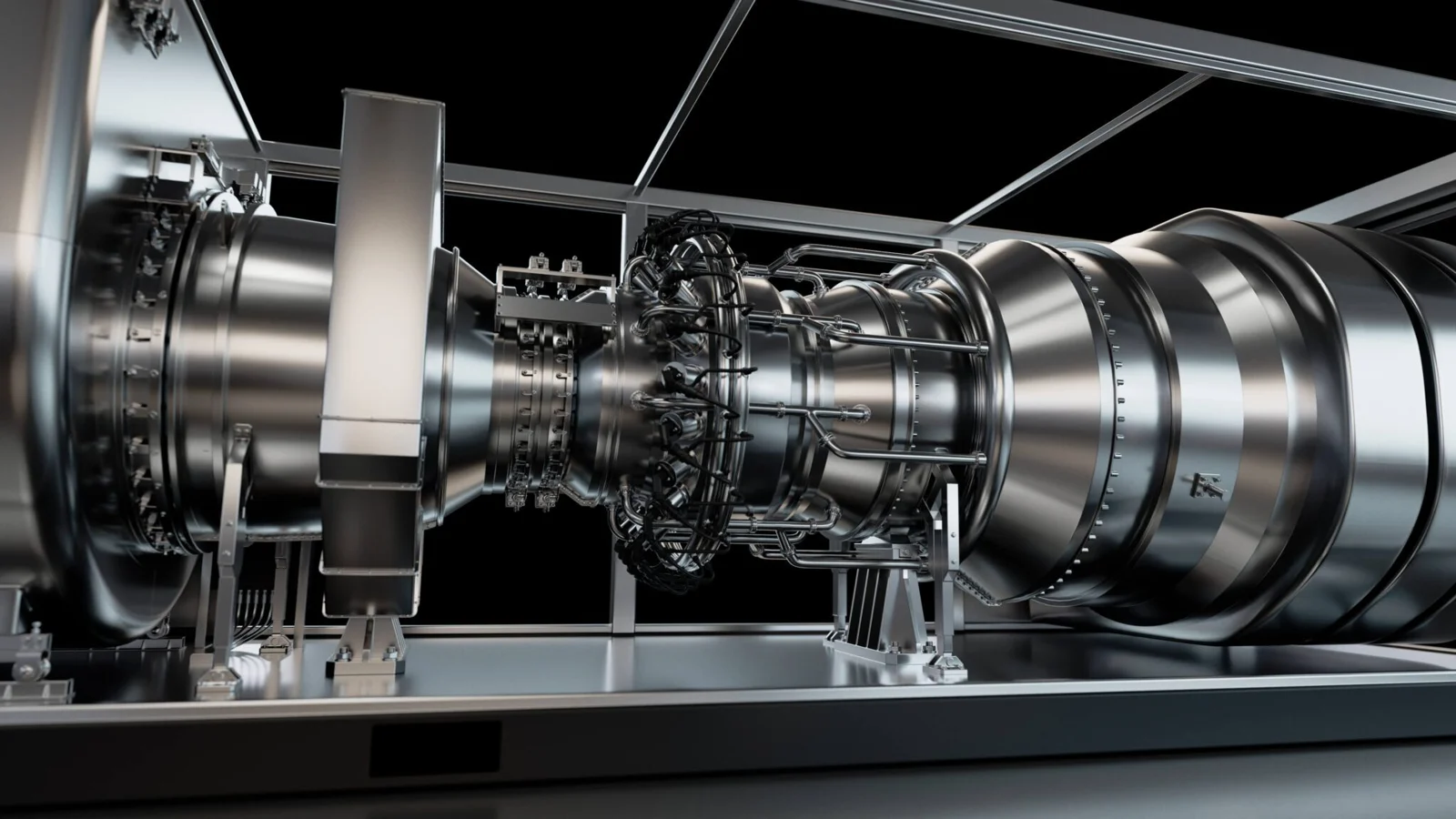
The cores are meant for the single-crystal turbine blades in Superpower, the 42-megawatt natural gas turbine Boom is developing for AI data centers. A single-crystal blade is cast so that the whole part grows as one continuous metal crystal, which helps it survive heat and stress inside a turbine. Its internal cooling channels come from a ceramic casting core. The core sits inside the mold while molten metal is poured around it, and once it is removed it leaves hollow passages behind. Superpower is derived from supersonic turbofan technology, so its blades face extreme turbine inlet temperatures and need cores with complex channels and branched cavities.
That complexity is why Boom chose Lithography-based Ceramic Manufacturing, or LCM, as a key technology to create, build and industrially scale such cores. In LCM, the printer spreads a ceramic-filled liquid called slurry into a clear vat, dips a build platform into it and hardens each layer with blue light projected from below. The printed part is then heated to remove the binder and sintered into dense ceramic. Since no molds or tools are needed, engineers can change a design directly in the CAD file. Lithoz builds its CeraFab S65 for series production, with a lateral resolution of 40 µm and up to 150 layers per hour.
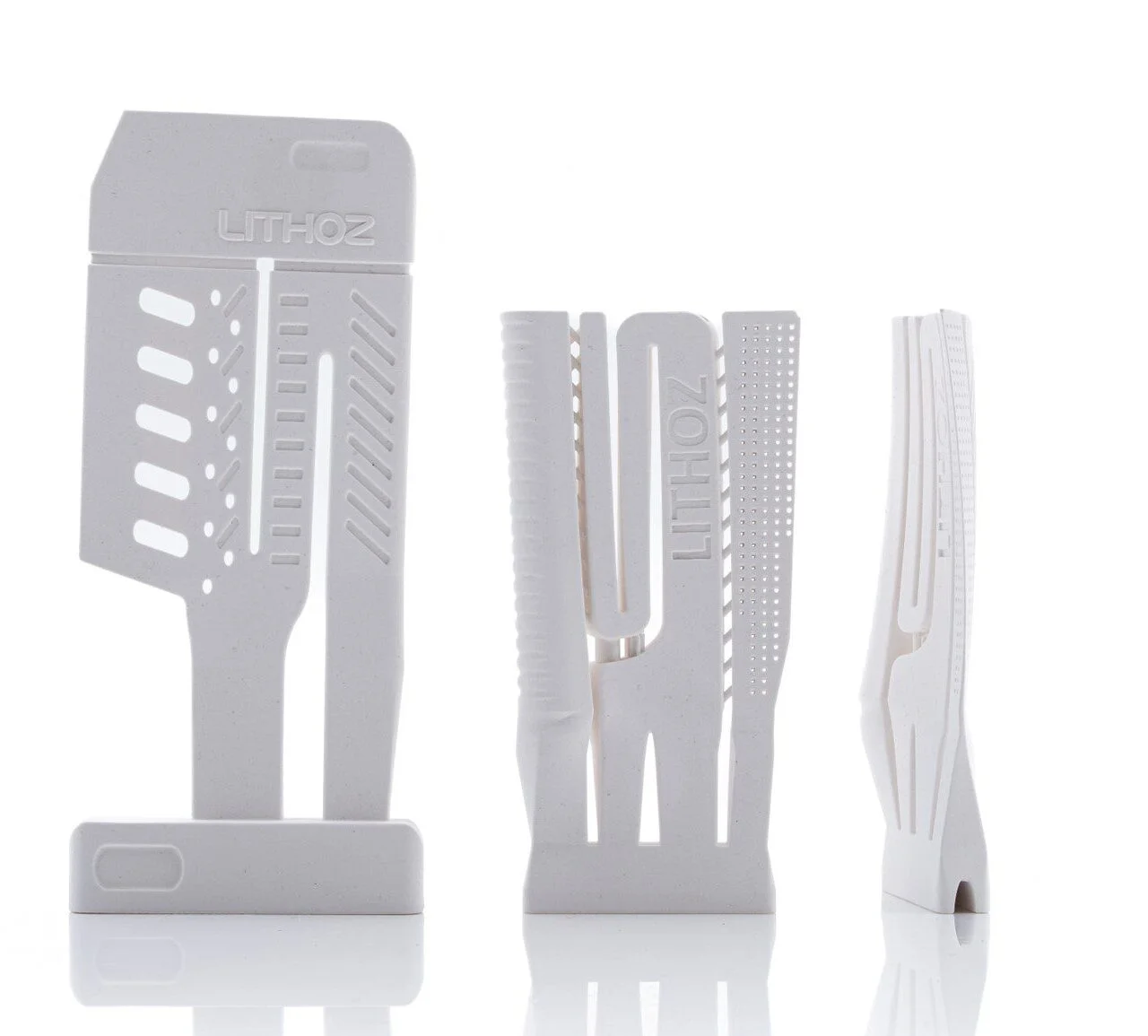
The decision came after a series of prototypes, which is where Lithoz won Boom over. “Lithoz convinced us by their excellent support in delivering a series of prototypes,” said Nick Sheryka, Chief Engineer at Boom Supersonic. “LCM technology was able to produce repeatable, reliable results, and it was selected as a key technology of choice for our in-house turbine blade production.”
For Lithoz, the deal adds to a series of strong business signals from aerospace companies working on the next generations of aircraft engines. The Vienna-based company recently reported a 40% year-on-year rise in material sales, driven mainly by silica-based materials bought by existing OEM customers and contract manufacturers around the world. “We are very proud to see another major aerospace OEM adopting LCM as their technology of choice,” said Lithoz CEO Dr. Johannes Homa. “This decision is a great affirmation that ultra-precise ceramic 3D printing is a great fit for this no-compromise application.”
The printers will support a bigger plan in Colorado. In October, Boom announced its Superpower Superfactory in Centennial, where it intends to build an all-digital foundry that casts turbine blades and vanes from custom superalloys without tooling. The first single-crystal components are expected to ship in 2027, and the first Superpower turbines are targeted for customer delivery in mid-2027.
Source: Lithoz