
Keio University researchers will demonstrate Strecs3D, a free tool that brings stress-driven infill to the slicers people already use, at the ACM Symposium on Computational Fabrication in Tokyo next month.
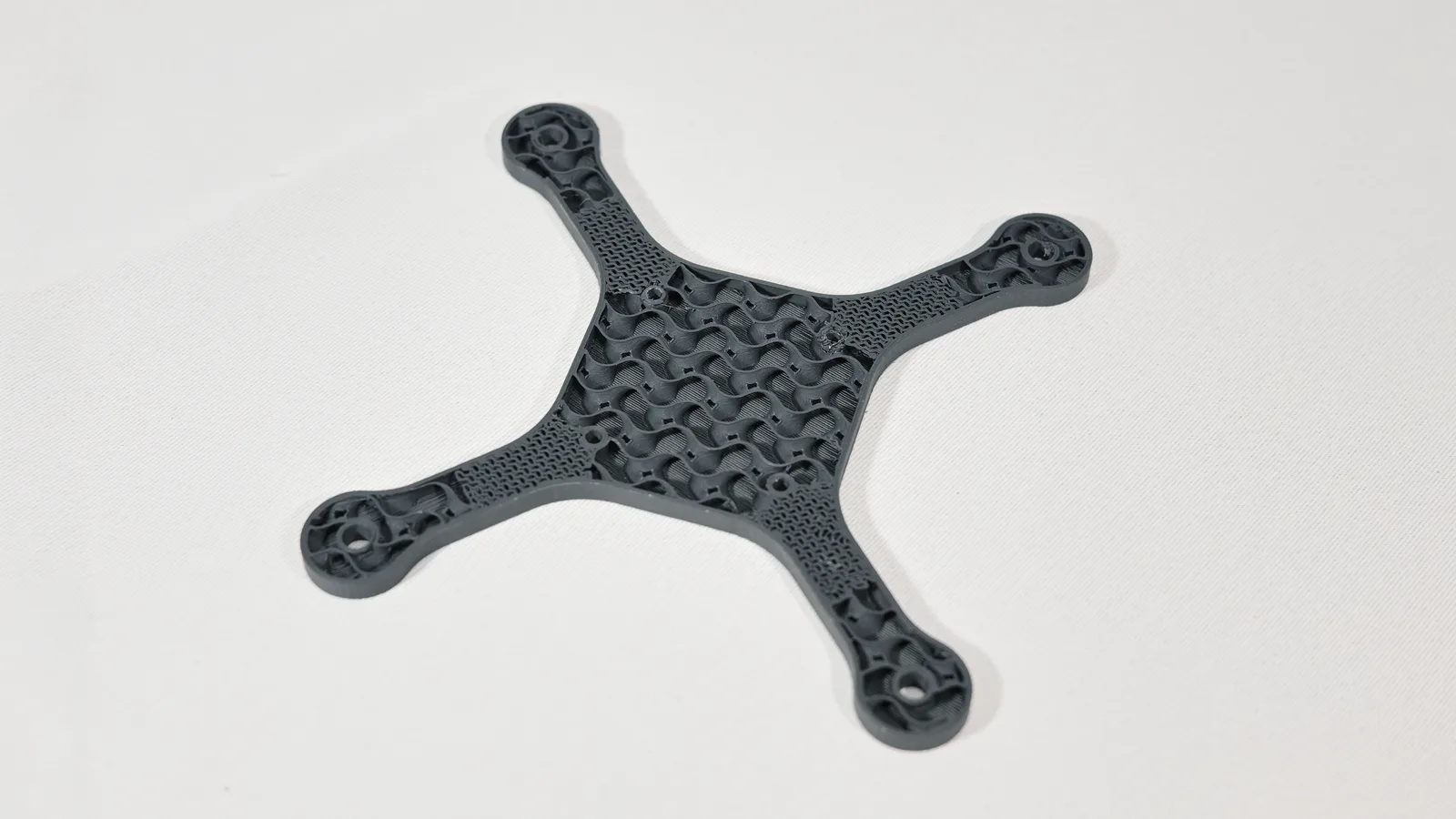
The problem it tackles is one every engineer printing functional parts knows. A slicer applies one infill density to the whole part, even though the stress inside a real mechanical part is anything but uniform. So material piles up where nothing needs it and weight climbs, or the loaded areas end up too weak. Tomohiro Taniguchi of Keio’s Graduate School of Media and Governance ran into that trade-off in robot competitions. There every gram matters, and parts still have to survive the load.
Instead of building yet another slicer, Taniguchi wrote a preprocessor that sits between CAD and the slicer. Strecs3D stores its result in a 3MF file as per-region infill settings, so users keep Bambu Studio, Cura or PrusaSlicer and the profiles they already trust. OrcaSlicer and QIDI Studio work through the Bambu and Prusa modes. He developed it with support from the Mitou IT program of Japan’s Information-technology Promotion Agency, and the code is on GitHub under the BSD 3-Clause license.
From Load Case to Infill Map
The workflow starts with a STEP model. Users mark the fixed faces and the loads, then pick the face that will sit on the build plate. That choice matters because the stress calculation adds a delamination risk factor for weak layer bonds. Since version 2.0 in February, a built-in CalculiX finite element solver runs that analysis, which used to mean a detour through Fusion 360 or FreeCAD. Strecs3D then splits the model into subvolumes by stress threshold and maps each one to an infill density with an algorithm based on the Gibson-Ashby model.
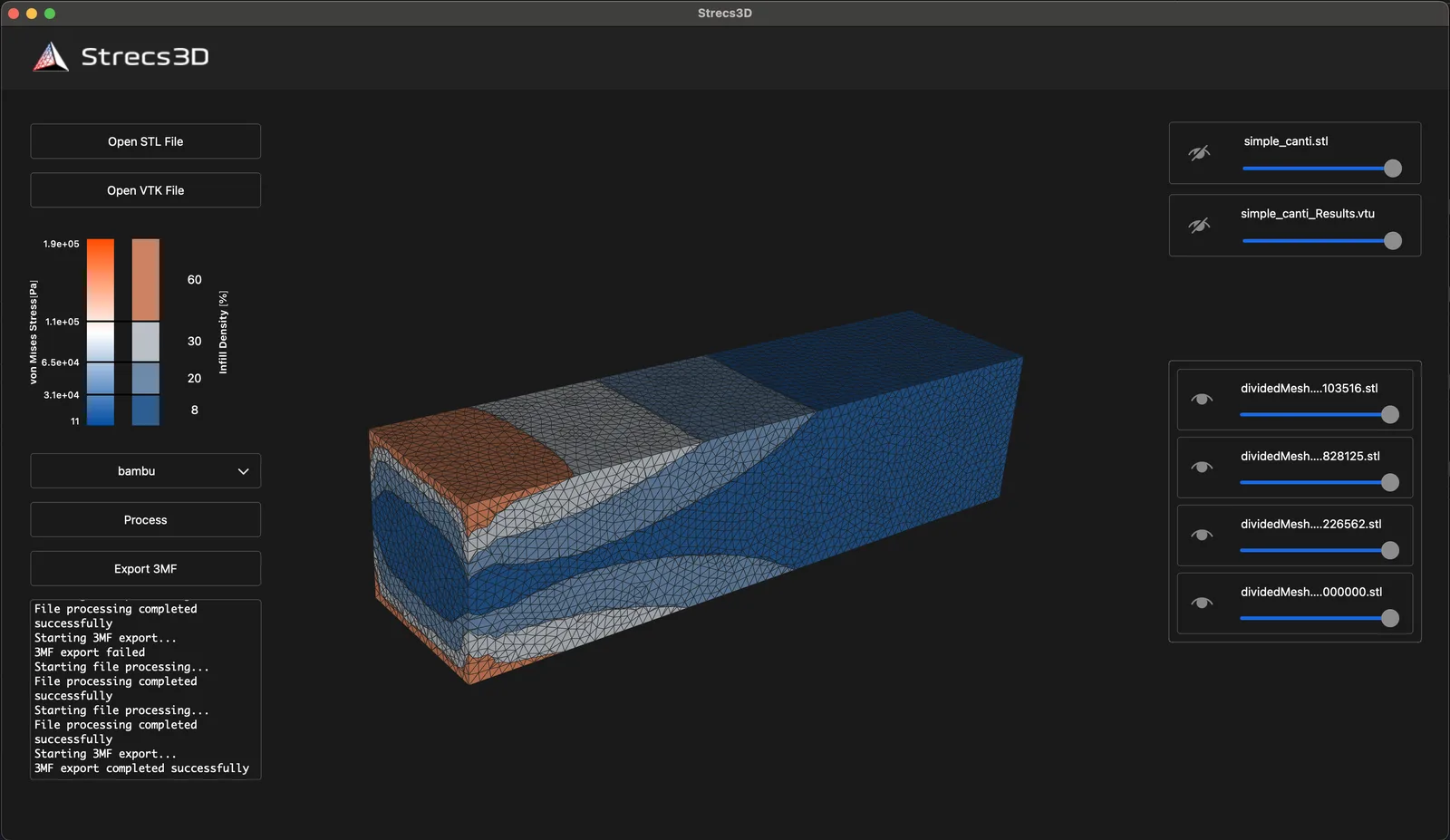
The bending test in the paper shows what that buys. Taniguchi and coauthor Tatsuki Hayama, of Keio’s Faculty of Environment and Information Studies, printed mass-matched beams on a Bambu Lab P1S in matte PLA with gyroid infill. Three control beams used a uniform 14 percent infill, while the optimized set spread the same 15 grams over four zones at 6, 10, 15 and 55 percent. Those zones were tuned for a 100 N central load. The Strecs3D beams reached 1.88 times the apparent flexural modulus of the control, without extra material.
Ease of use was tested as well. In a usability study Strecs3D scored 69.29 on the System Usability Scale, against 30.00 for setting regions by hand.
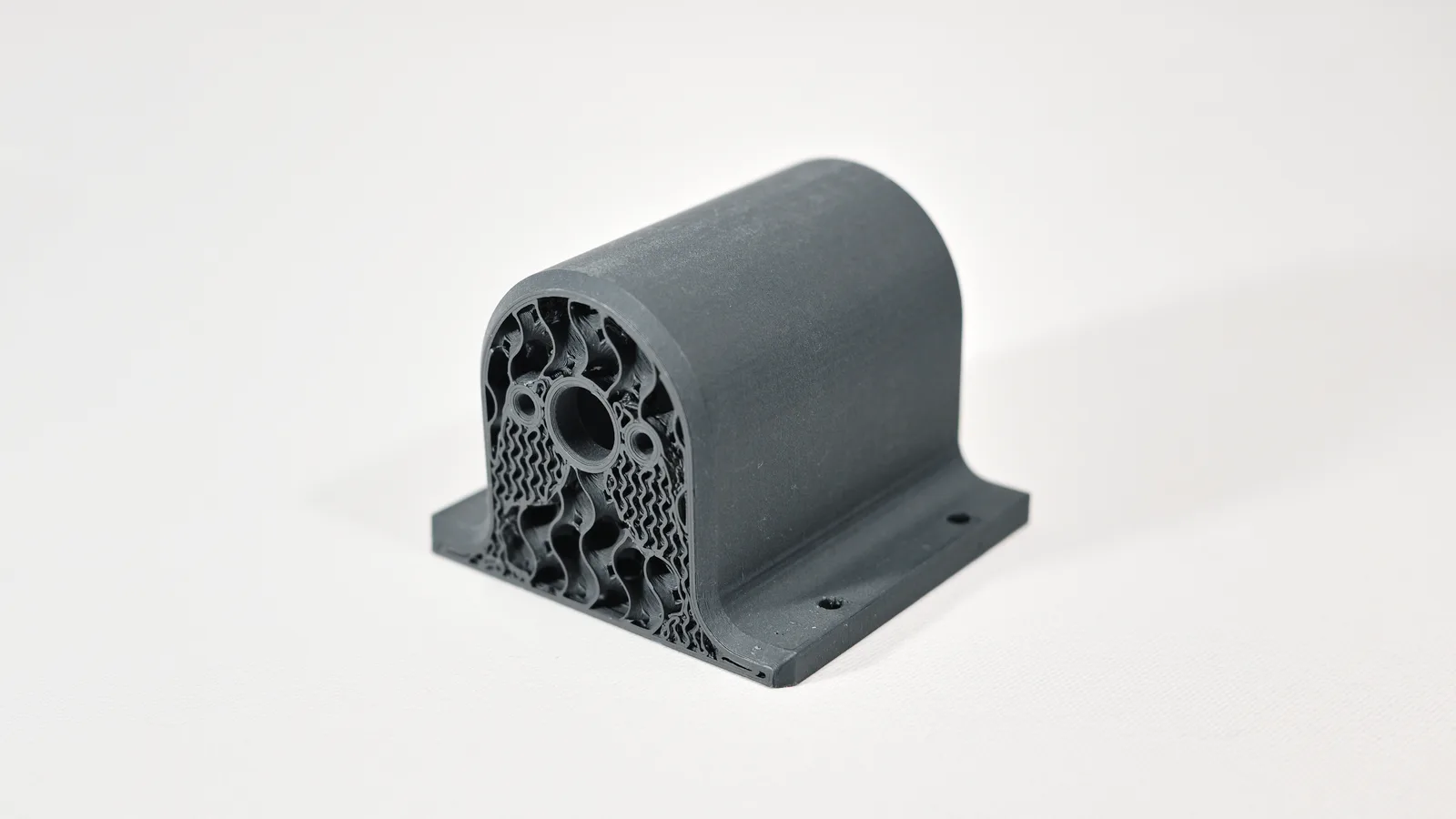
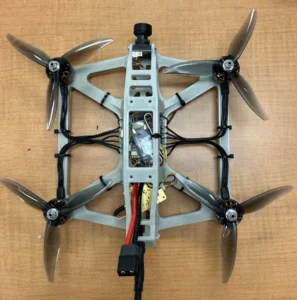
The latest release, version 2.1.0 from October 30, keeps pace with Bambu Studio 2.8, which had been discarding the infill modifiers in exported files. It can also reuse the printer, process and filament settings from a saved Bambu Studio project, including multi-nozzle setups. Robot contest teams at Japanese universities and technical colleges are the first target users, with drone frames and satellite parts named as further uses. The live demo comes at the symposium, held at the University of Tokyo from December 6 to 8.
Source: ACM Digital Library and Strecs3D on GitHub