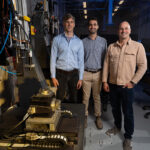

Lawrence Livermore National Laboratory has 3D-printed a small bioreactor that lets bacteria turn waste methane into succinate, a chemical used to make plastics, stabilize drugs, and flavor food.
Landfills and wastewater plants often burn the methane they produce. Converting it with microbes usually means bubbling the gas into a stirred tank, which is slow and power-hungry because methane does not dissolve well in water. Livermore’s reactor holds the bacteria in thin printed walls so the gas can flow past them instead.
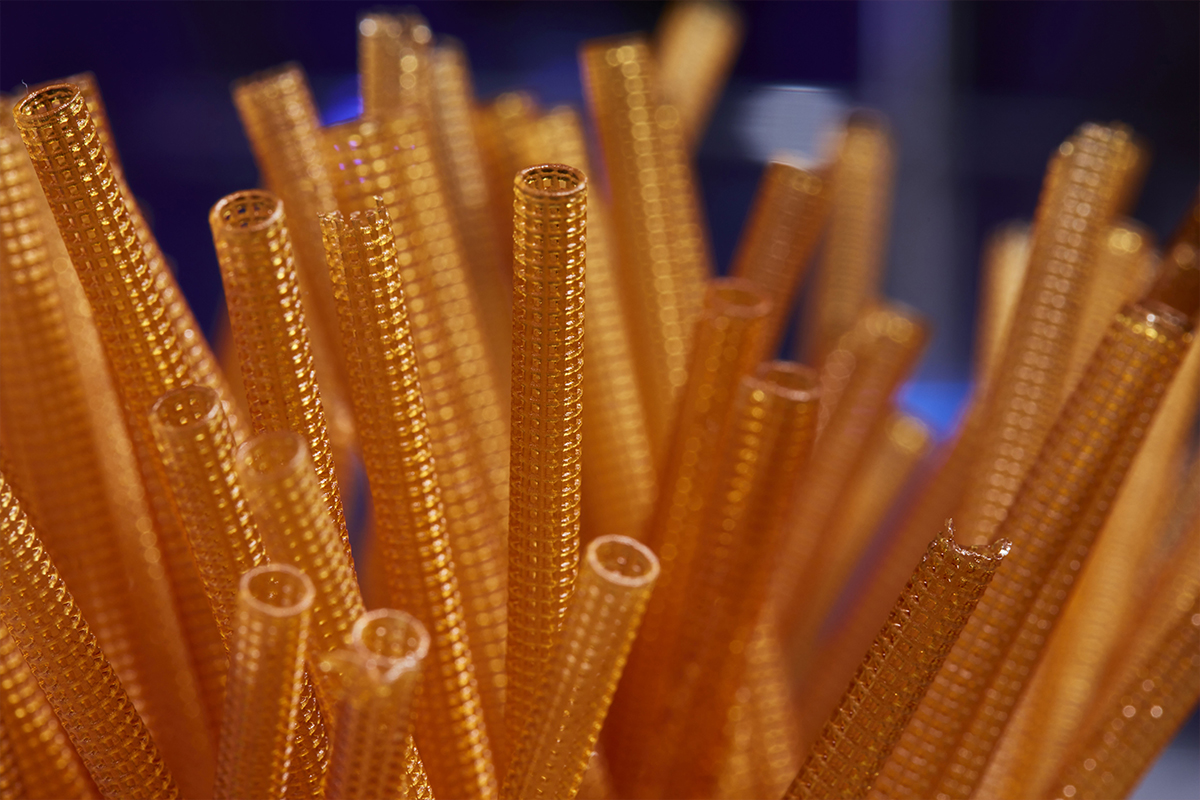
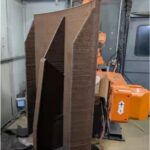
The lab says the reactor converts methane to succinate more than 10 times better than those liquid systems, and that it uses less power. The microbes are methanotrophs, bacteria that already eat methane, so the conversion runs without added heat or pressure. The printed parts are lattice scaffolds. Hydrogel fills the thin walls and keeps the organisms in place. LLNL says those walls can hold many times more bacteria than a tank, and the porous gel lets the gas reach them quickly.
The team started with a reactor of about 2 milliliters and scaled it to 1 liter. It still has to get larger before a working plant could use it. Keeping the cells alive for more than a few days, while packing in enough of them for the gas to matter, was one of the design problems.
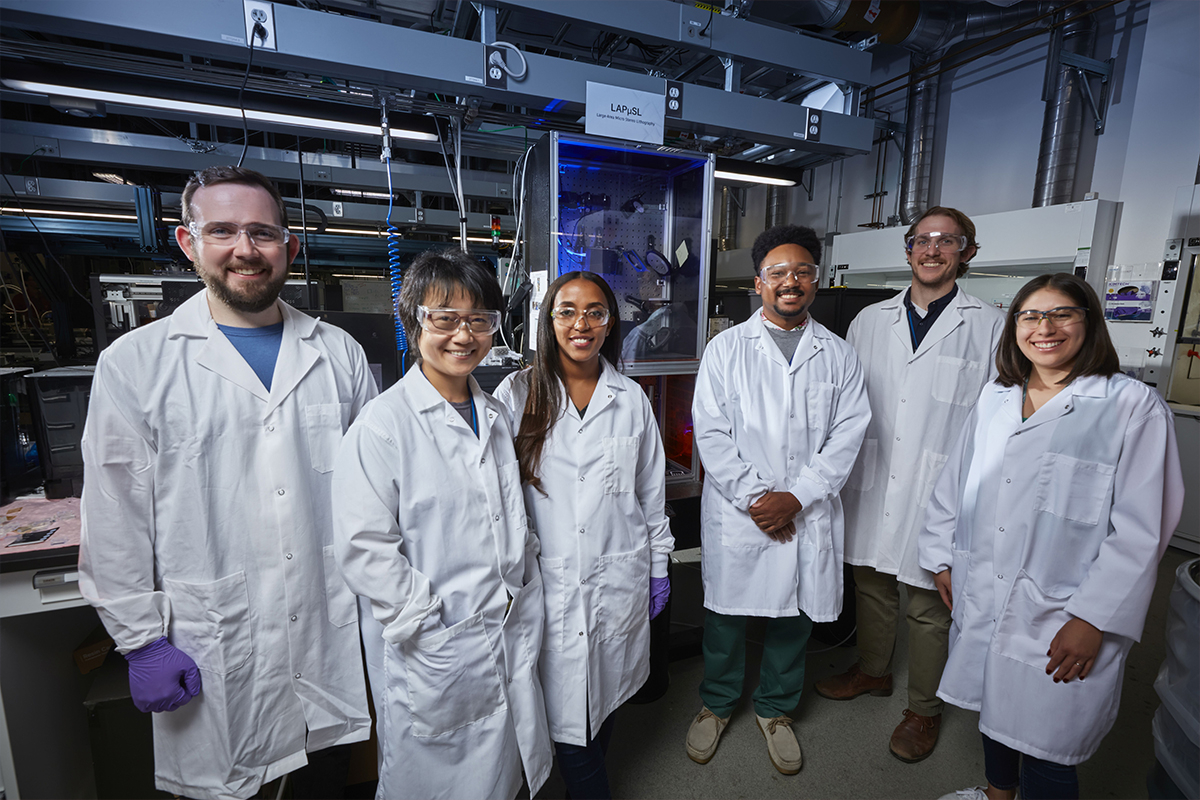
“These microbes are naturally designed to do the conversion. They work without added heat, without added pressure, without all these things that a chemical process normally requires,” said Samantha Ruelas, an LLNL scientist.
“At smaller landfill or wastewater treatment facilities, there aren’t really good, existing solutions that scale down,” said Nathan Ellebracht, an LLNL scientist. “Our approach could be applied at a small plant and allow them to get value out.”
The work is published in Scientific Reports. Collaborators include the National Laboratory of the Rockies, Quasar Energy Group, and the University of North Texas. Support came from a Laboratory Directed Research and Development project, LLNL’s Innovation and Partnerships Office, and a Department of Energy Technology Commercialization Fund.
Source: llnl.gov