
Scientists at Lawrence Livermore National Laboratory have built a camera system that watches a direct-ink 3D printer layer by layer and flags broken strands or off-size filaments before the part leaves the machine.
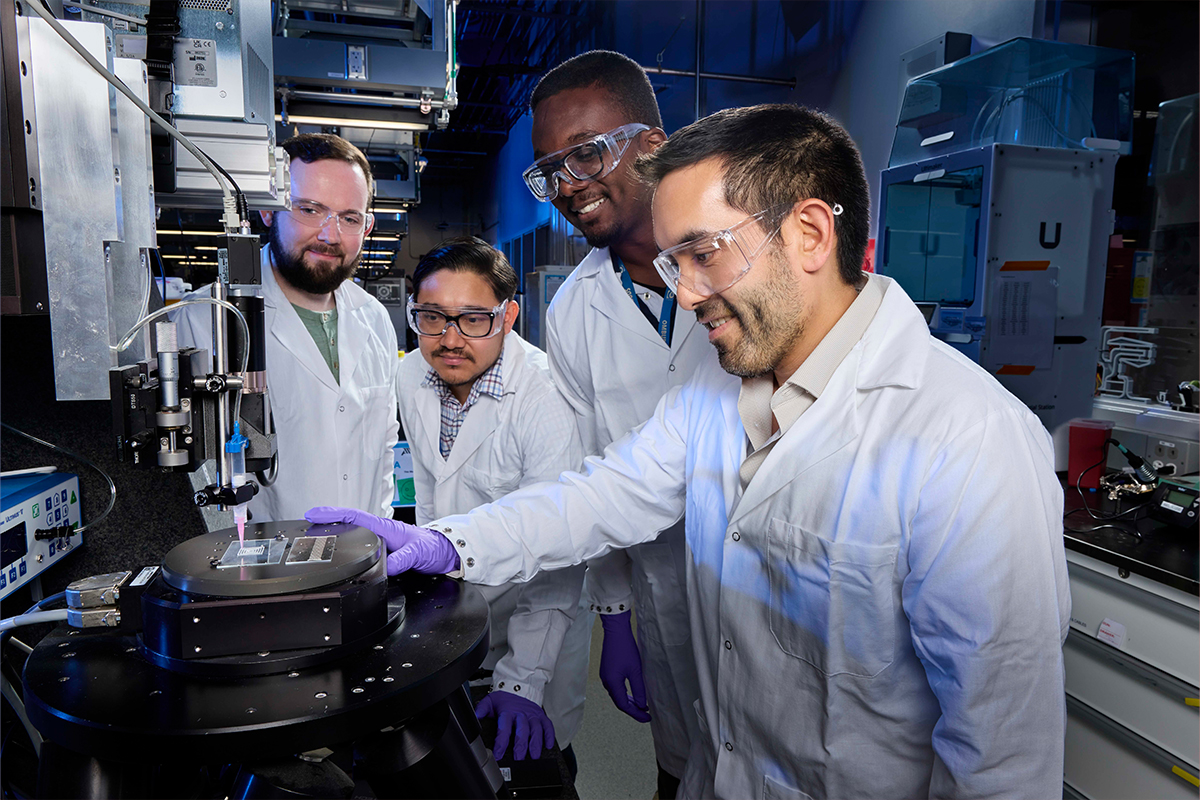
Direct ink writing lays down paste-like strands that can be a fraction of a millimeter thick, and small gaps or diameter changes can ruin a cushion or pad. Inspection usually waits until the print is finished, then uses X-ray CT or mechanical tests. The new pipeline mounts cameras on the printer, segments each new strand with a machine-learning model, and measures diameter on the fly.
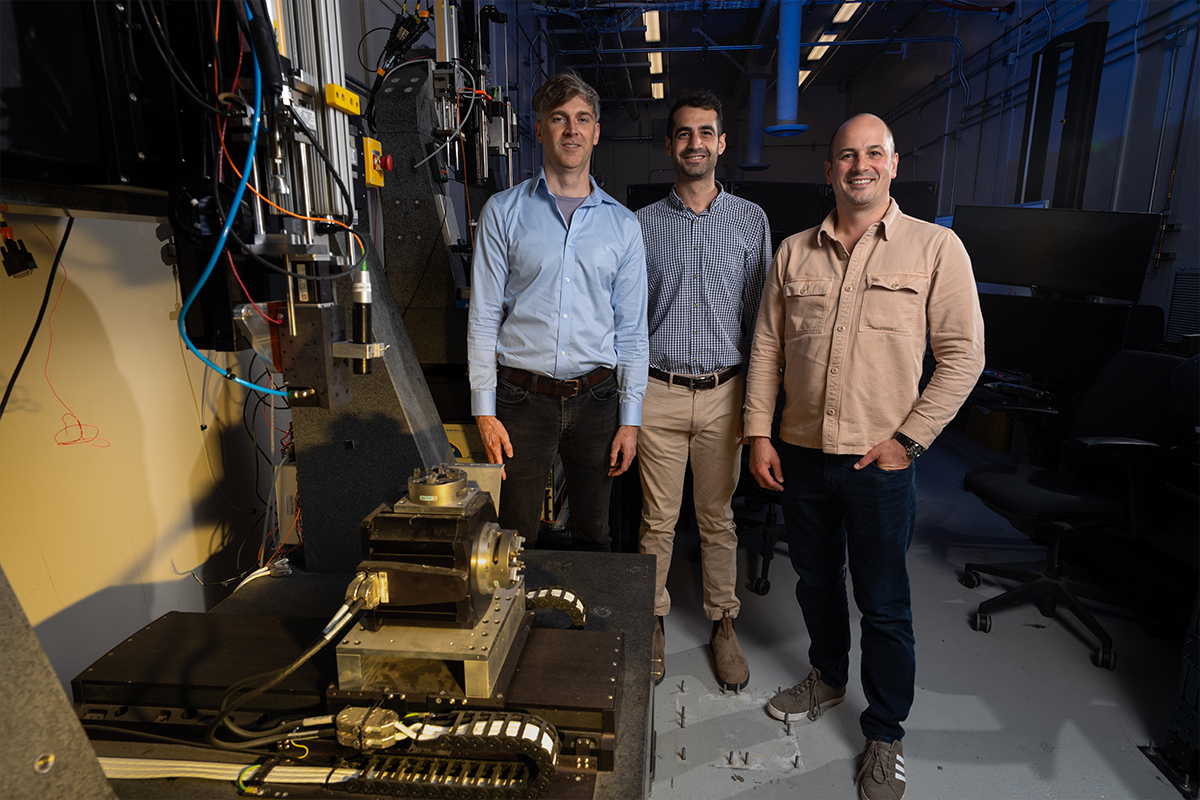
The work, published in npj Advanced Manufacturing, is meant as an earlier screen before costly offline tests. A part with enough defects can be scrapped while it is still on the bed. Cameras can also cover large parts that do not fit high-resolution CT.
“It’s a first-pass check,” said Brian Weston, an LLNL engineer, AI/ML lead for digital twins, and the paper’s lead author. “It allows us to see things before we do some very expensive tests and to fail parts earlier if we already know they have broken strands or other problems.”
The team trained the segmentation model on nearly 15,000 human-annotated images of several lattice geometries. In tests on 55 parts, automated diameter measurements typically sat within a few micrometers of human labels. A person might spend 20 minutes to an hour on a large image. The software does the same analysis in milliseconds, about 100,000 times faster on average.
To demonstrate the system at scale, the researchers applied it to a cushion about 25 centimeters on a side. The group collected roughly 2,500 images from one layer and stitched them into a spatial map. Filament diameter drifted from one side of the print to the other, a pattern that pointed to a slight tilt between the platform and the nozzle. An average across the whole part would have hidden that.
Brian Giera, LLNL associate program director for Data Science, AI and Manufacturing, is principal investigator. Co-authors include Michael Zelinski, Hamed Ziad Ammar, Aldair Gongora, Brian Au, Robert Cerda, Josh DeOtte, and William Smith. Laboratory Directed Research and Development funded the work. The inspection setup is expected to move to the Kansas City National Security Complex for tests on production-relevant systems.
Source: llnl.gov