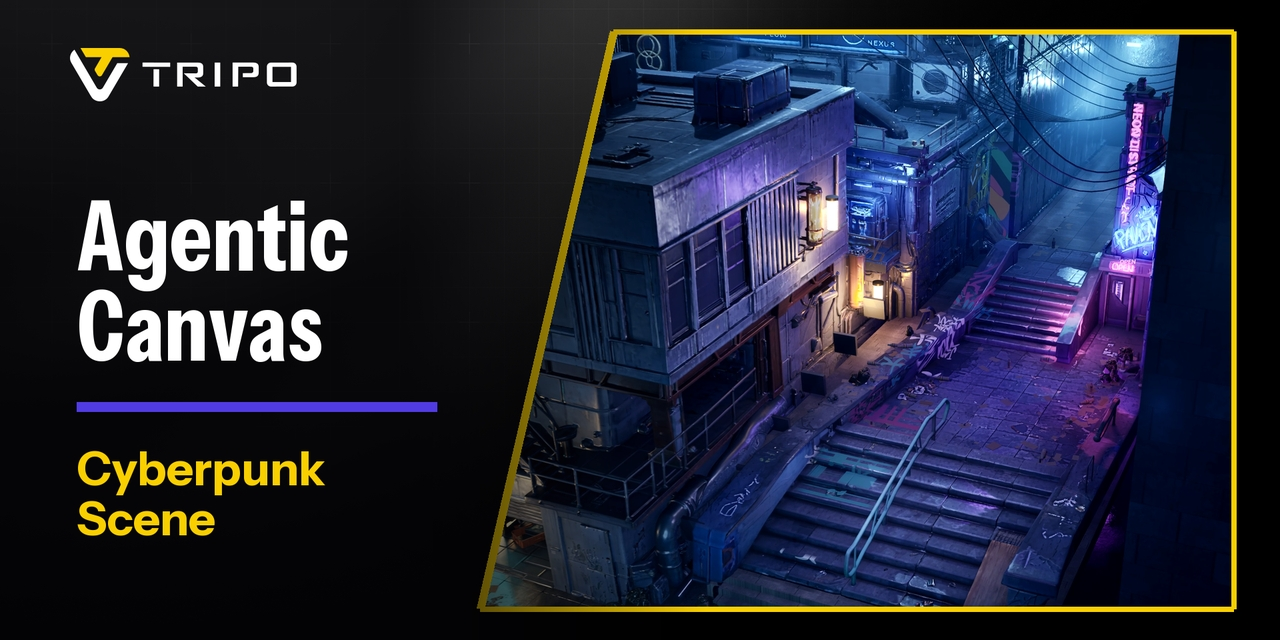
Tripo AI has launched Agentic Canvas, a node-based workspace inside Tripo Studio where an AI agent assembles multi-step 3D workflows that users can inspect, edit and run again on other assets.
Generative 3D has mostly worked one model at a time. Type a prompt or upload a picture, get a mesh, then do it again for the next one. Getting that mesh ready for a specific use, whether that means retopologizing it, unwrapping its UVs or rigging it, has meant stepping through the same menus for every asset. That is fine for one figurine and tedious for a set of fifty.
In Agentic Canvas each operation is a node, and the connections between nodes carry the output of one step into the next. The agent builds a workflow from a description, a reference image or an existing model; the user then adjusts individual nodes rather than starting over. Available nodes cover generation, texturing, retopology, Smart UV, PBR processing, segmentation and rigging, the usual cleanup steps that follow any of the current AI 3D model generators. Workflows can be saved, duplicated and run as a batch over several assets.
A separate AI 3D Lab node adds a chat panel for inspecting or refining one asset, or for generating new results from whatever sits upstream. Tripo says conversations in that panel can be turned into reusable task instructions.
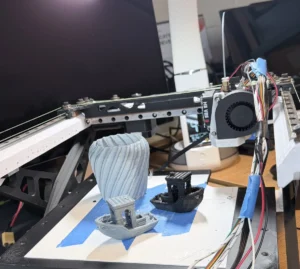
The company names game development, 3D printing, product design, e-commerce, film, animation and visualization as the intended uses. For printing, the pitch is a repeatable process for preparing printable models. Tripo’s own framing is that the agent helps newcomers through multi-step jobs while the visual graph lets professionals scale repetitive production.
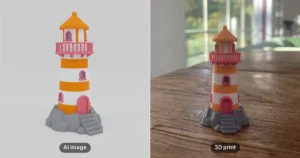
We saw an earlier form of the feature in our hands-on review of Tripo H3.1, published yesterday, where Agentic Canvas ran as a beta that produced the image, the views and the HD model from a single description. At the time of that test the multi-color print export was not available inside the canvas, and the launch announcement does not mention it.
Agentic Canvas sits alongside Tripo Studio, which handles single-asset generation and editing, and the Tripo API for developers building generative 3D into their own software. The announcement, dated November 2 in San Francisco, says nothing about pricing or credit cost for the new workspace.
Source: tripo3d.ai