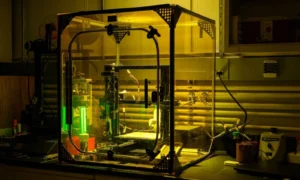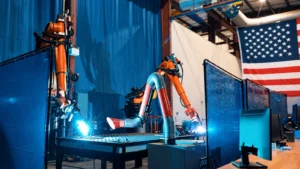

Siemens has shown how AI software can turn a prompt into a robot gripper design that is ready for 3D printing.
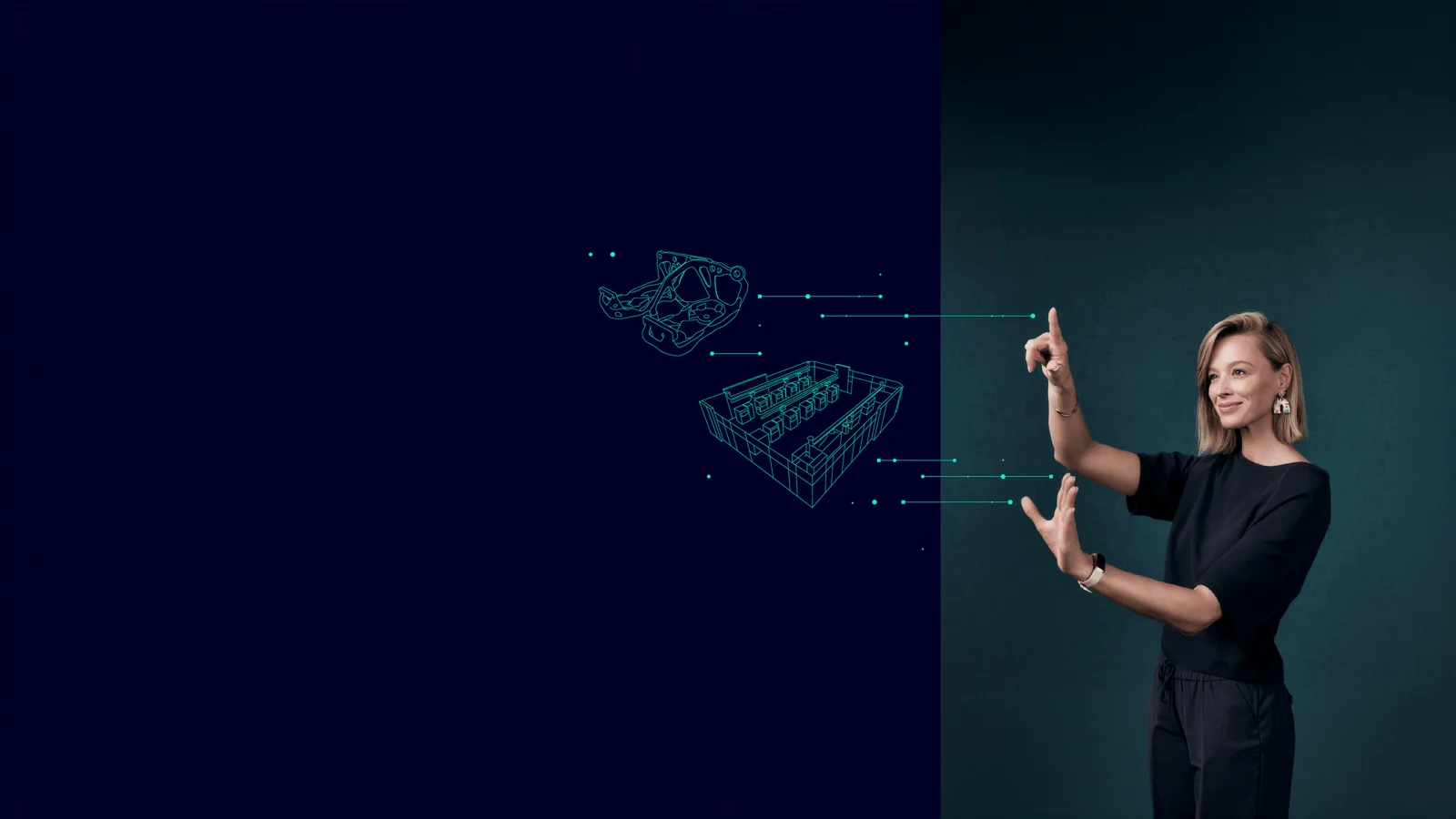
The demonstration, developed together with AGIBOT, centers on a gripper for a humanoid robot. Normally, engineers adapt such a gripper by hand, step by step, for every new application. In Siemens’ workflow, the user instead describes the object to be handled and the task the robot should do. An agentic AI, meaning software that plans and carries out a chain of steps by itself, then handles the engineering. It picks a suitable gripper type, adapts the geometry in Siemens’ Designcenter software and simulates the result. After that, it validates the robot interface and the handling before preparing the data for 3D printing.
What makes this possible is integration via MCP, the Model Context Protocol, which lets the AI agent call functions inside the engineering software and string the work steps together. As a result, users need to work less directly in each tool, so complex engineering workflows could become accessible to a broader group of people. The outcome is a gripper tailored to one specific job, with a design that is validated virtually and prepared for 3D printing before production begins.
“Industrial AI is fundamentally changing how we develop and manufacture products. Instead of manually designing variants in a time-consuming process, agentic workflows can orchestrate engineering tasks based on specific requirements. Additive manufacturing is the ideal complement because it enables individual designs to be flexibly turned into physical components. The next step is production that can respond just as flexibly to this variety,” said Karsten Heuser, Vice President Additive Manufacturing at Siemens.
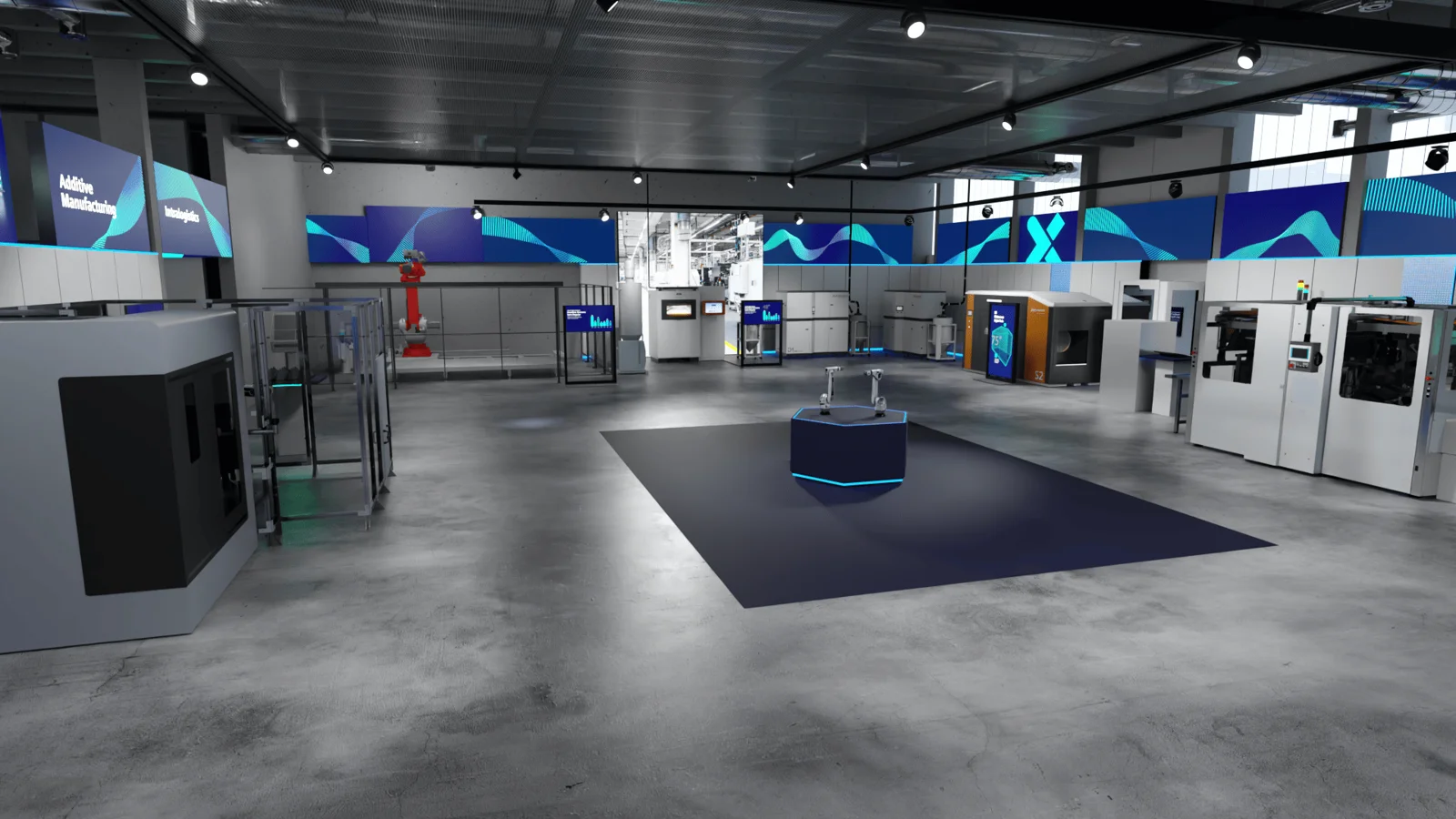
That next step is already planned. Because every individual design also has to be manufactured efficiently, Siemens is creating an adaptive production cell with EOS and AM Solutions at its Electronics Factory in Erlangen. There, 3D printing, automation and software are designed to work together in one process chain. Post-processing, the cleaning and finishing work printed parts need after they leave the printer, is part of the cell from the outset. The goal is to handle different components and production requirements flexibly while keeping the processes repeatable and scalable.
EOS CEO Marie Niehaus-Langer calls Industrial AI “the shift from connected and automated factories to intelligent, adaptive manufacturing,” a change EOS aims to help shape with Siemens. AM Solutions focuses on the steps after printing. “The industrialization of additive manufacturing does not end with the printing process,” said David Soldan, head of 3D post processing technology at AM Solutions. “Only when downstream processing steps are seamlessly integrated into the production chain can additive components be manufactured efficiently and reproduced at scale.”
Integrated software and data chains are meant to tie design, simulation, manufacturing preparation and production together, while quality, traceability, security and human responsibility remain key requirements for industrial use. To help companies get started, Siemens has added Industrial AI to its AM I Navigator, which helps them identify and prioritize suitable AI applications. The gripper workflow will be presented at Formnext 2026 in Frankfurt, in Hall 12.1 at booth 119D.
Source: Siemens