
A 3D-printed hinge for satellite solar panels from Fraunhofer IAP weighs about 1.4 grams, roughly 93 percent lighter than conventional hinges now in use.
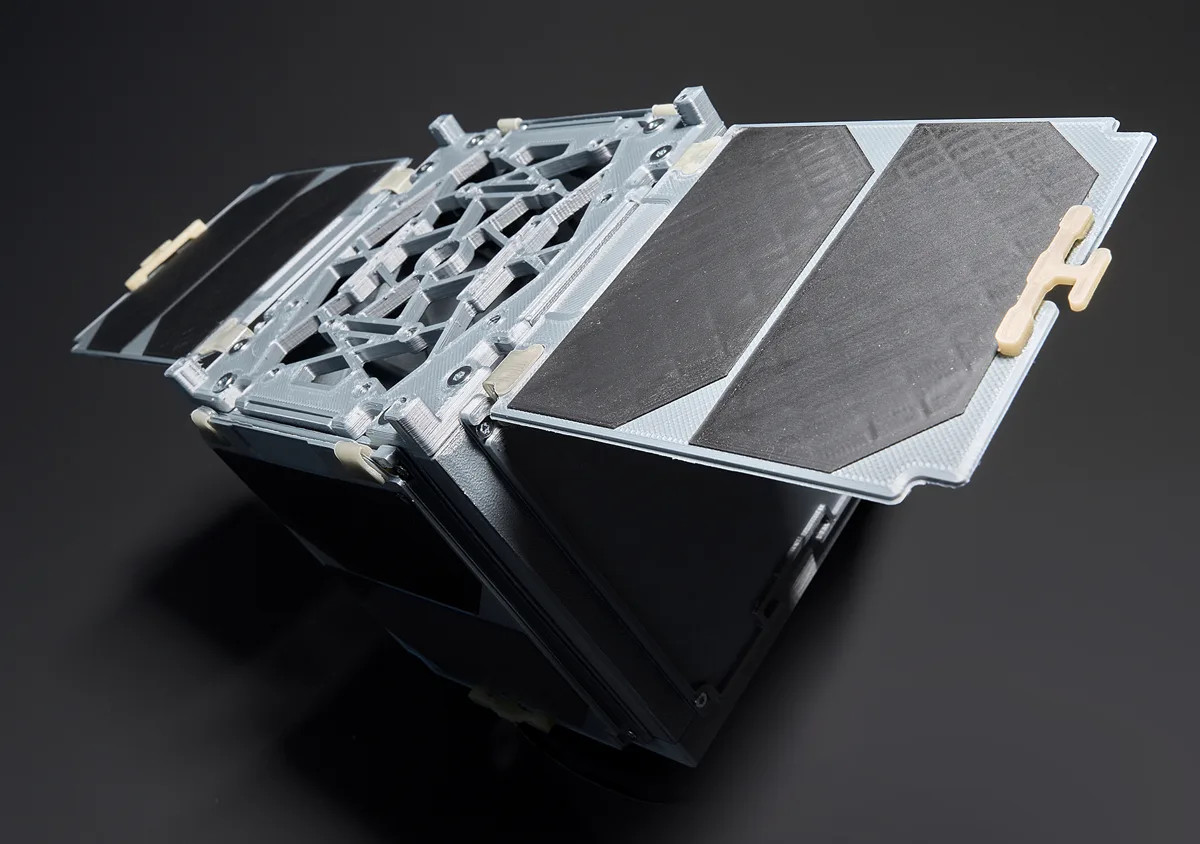
Space hardware has to be light, compact and reliable at once, and solar panels add a complication because they must stay stowed during launch and open once in orbit. Within the AM-SPACE project, the Potsdam institute developed shape memory polymers made for 3D printing, so movement can be built into the printed part, reducing the need for mechanical actuation.
The trick lies in the material. Shape memory polymers hold a programmed temporary shape and recover their original form when heated, which Fraunhofer IAP uses to make printed parts move on cue. The researchers turned the new polymers into filaments and printed two kinds of components with them, hinges and hold-down and release mechanisms, or HDRMs.
Each part has its own job. The HDRMs restrain the satellite components during launch and release them in a controlled way once in orbit. After that release, the hinges unfold the panels through thermally activated shape recovery.
In the lab, the whole cycle is quick. Heated from 23°C to 140°C, a hinge completes its deployment within 60 seconds under controlled conditions. Printing a hinge or an HDRM takes about 15 minutes, plus another 30 minutes to program the temporary shape. That means each part can be made and programmed in under an hour.
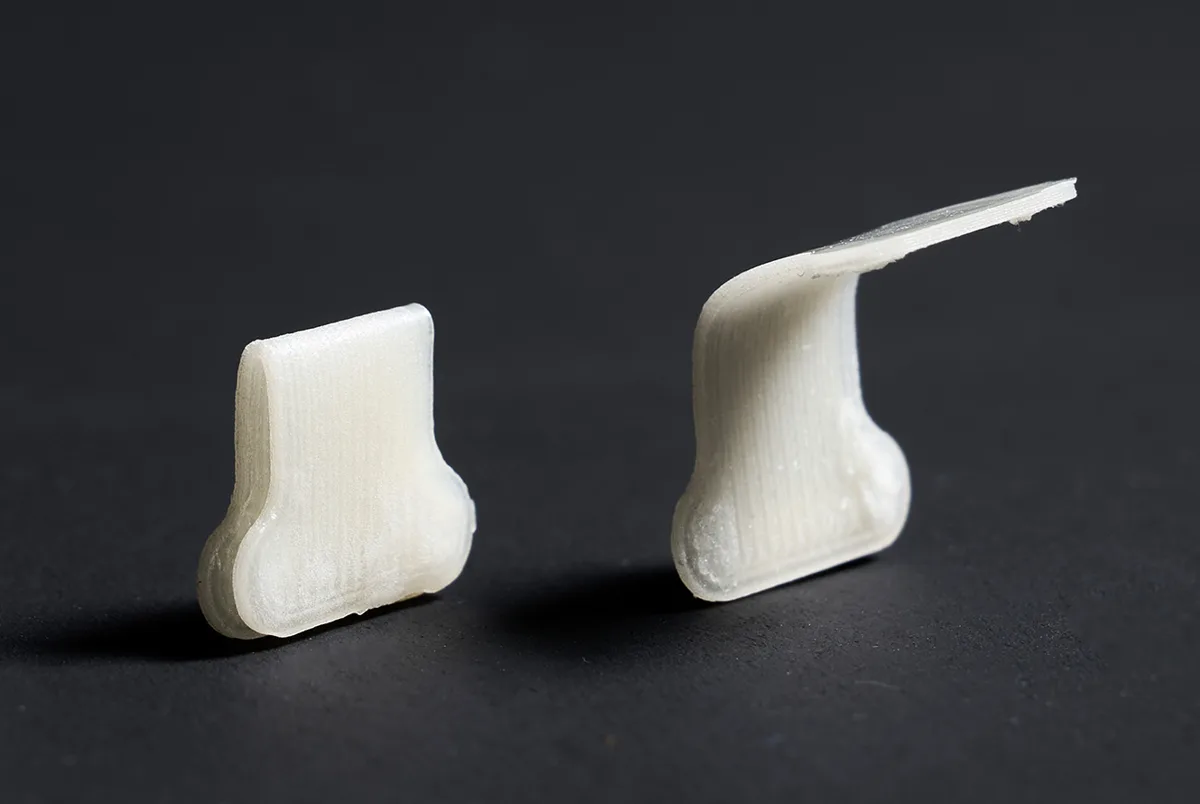
A 4D printing route cuts the time further. Here the shape change is programmed into the component while it is printed rather than in a separate step. That approach has produced HDRMs that can be made in just five minutes.
Thorsten Pretsch, who heads the Functional Polymer Systems division at Fraunhofer IAP, sees a new design option for small satellites. “These components combine lightweight construction with integrated functionality and the ability to undergo controlled shape changes when activated,” he said. In the future, he added, satellite systems could launch in a compact configuration and deploy as needed once in orbit.
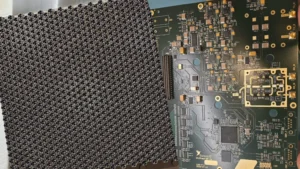
The project ran from October 2023 to September 2026 with three partners. Orion Additive Manufacturing developed a printer for PEEK reinforced with continuous carbon fibers and used it to make solar panel substrates for a 1U CubeSat. Fraunhofer IZM then laser-structured and metallized those substrates into conductor tracks, while German Orbital Systems designed the electronics, including the heating elements that trigger the hinges.
Testing so far has taken place on the ground. The hinges and HDRMs have passed initial validation, including cleanroom tests, thermal cycling and preliminary vacuum chamber experiments. One of the polymers also passed outgassing tests at Spain’s National Institute for Aerospace Technology, INTA, which supports its case for space use. Their performance and long-term reliability under actual space conditions still have to be demonstrated.
That is the next step. German Orbital Systems has expressed interest in evaluating the components in space, and talks are underway on a follow-up project aimed at an in-orbit demonstration. Fraunhofer IAP will also show the work at Formnext in Frankfurt and Space Tech Expo Europe in Bremen.
Source: Fraunhofer IAP